Investment-Grade Quality
Only premium cut, color, and clarity diamonds that hold long-term value
Transparent Pricing
No hidden fees, fair pricing, detailed breakdowns, price-match guarantee
Comprehensive Protection
Lifetime warranty, free maintenance, complimentary insurance appraisal
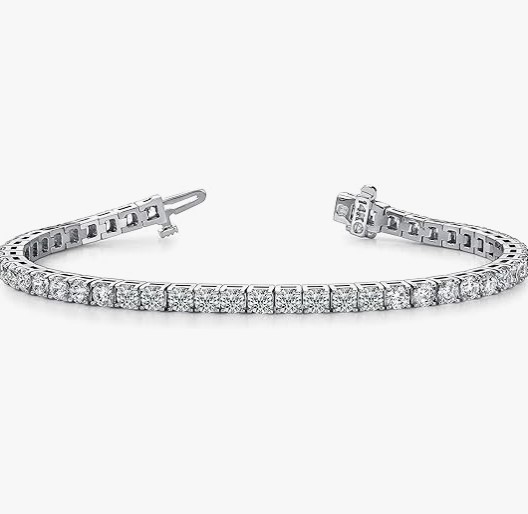
Houston Diamond District 2 to 28 Carat Lab Grown Diamond Classic Tennis Bracelet, 4-Prong Setting for Women (E-F Color, VS2-SI1 Clarity) (Round Shape)
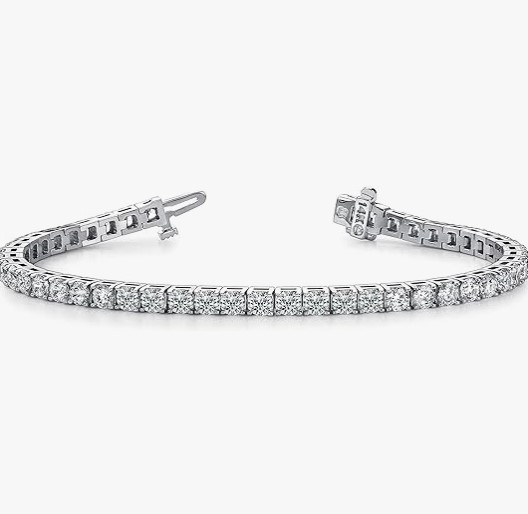
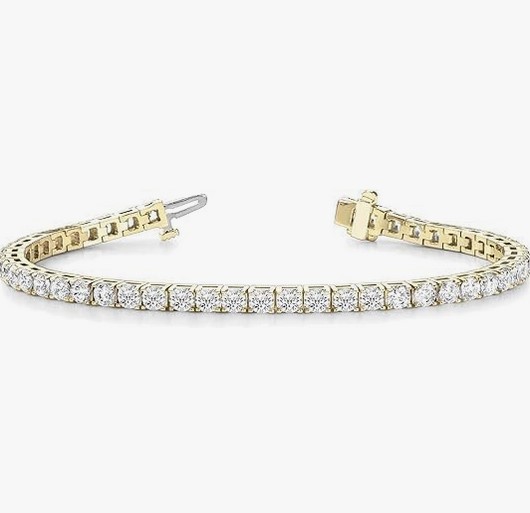
Houston Diamond District 3 to 50 Carat Classic LAB GROWN Diamond Tennis Bracelet 4 Prong Ultra Premium Collection (E-F Color, VS2-SI1 Clarity)
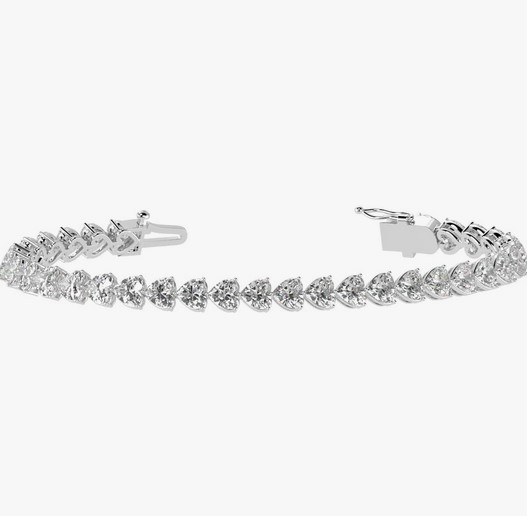
Houston Diamond District 2 to 28 Carat Lab Grown Diamond Classic Tennis Bracelet, 4-Prong Setting for Women (E-F Color, VS2-SI1 Clarity) (Heart Shape)
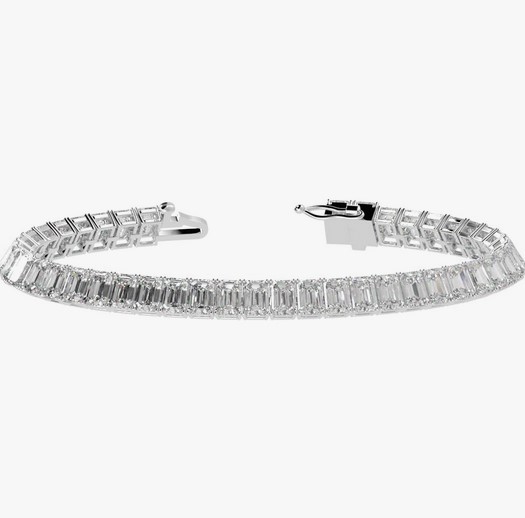
Houston Diamond District 2 to 28 Carat Lab Grown Diamond Classic Tennis Bracelet, 4-Prong Setting for Women (E-F Color, VS2-SI1 Clarity) (Emerald Shape)
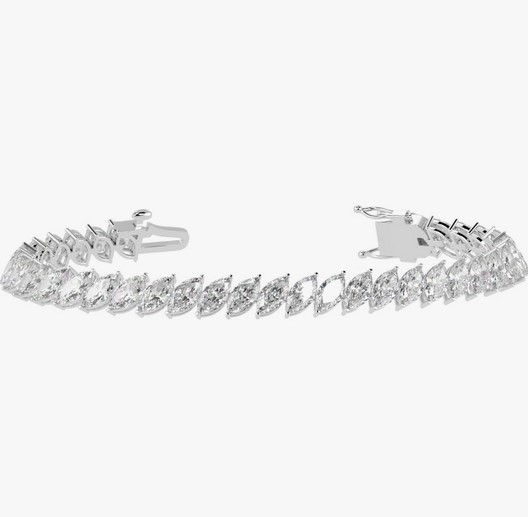
Houston Diamond District 2 to 28 Carat Lab Grown Diamond Classic Tennis Bracelet, 4-Prong Setting for Women (E-F Color, VS2-SI1 Clarity) (Marquise Shape)
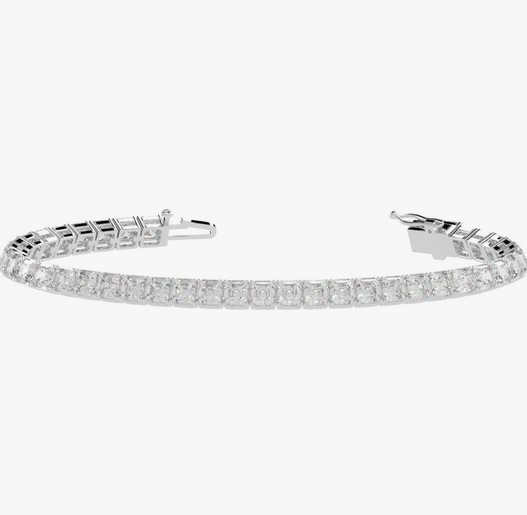
Houston Diamond District 2 to 28 Carat Lab Grown Diamond Classic Tennis Bracelet, 4-Prong Setting for Women (E-F Color, VS2-SI1 Clarity) (Asscher Shape)
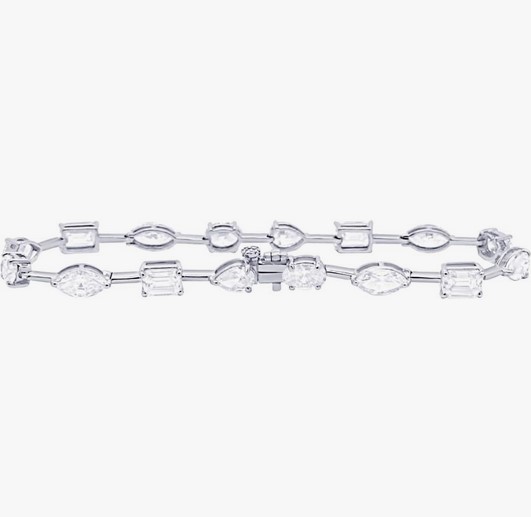
Houston Diamond District 2 to 28 Carat Lab Grown Diamond Classic Tennis Bracelet, 4-Prong Setting for Women (E-F Color, VS2-SI1 Clarity) (Mixed Shape)
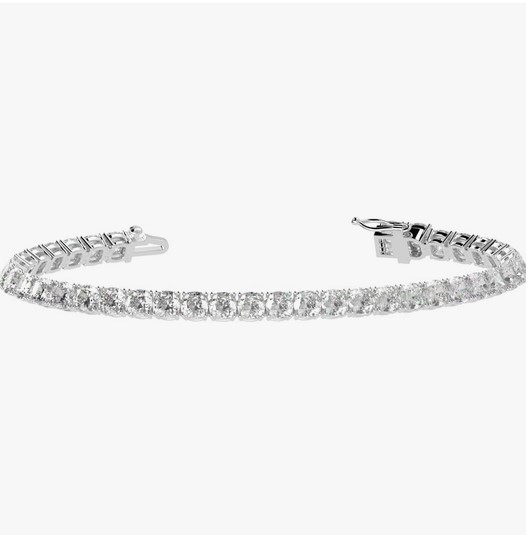
Houston Diamond District 2 to 28 Carat Lab Grown Diamond Classic Tennis Bracelet, 4-Prong Setting for Women (E-F Color, VS2-SI1 Clarity) (Cushion Shape)
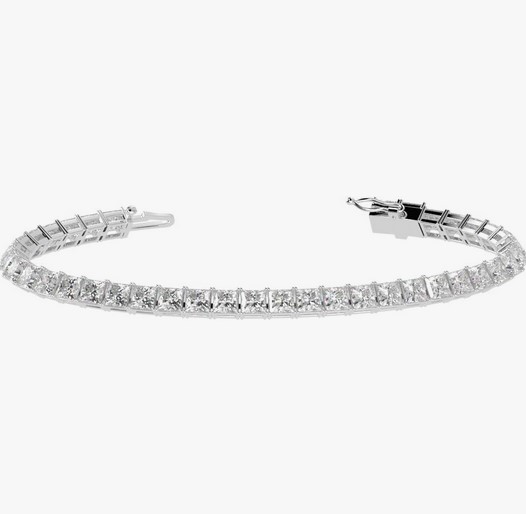
Houston Diamond District 2 to 28 Carat Lab Grown Diamond Classic Tennis Bracelet, 4-Prong Setting for Women (E-F Color, VS2-SI1 Clarity) (Princess Shape)
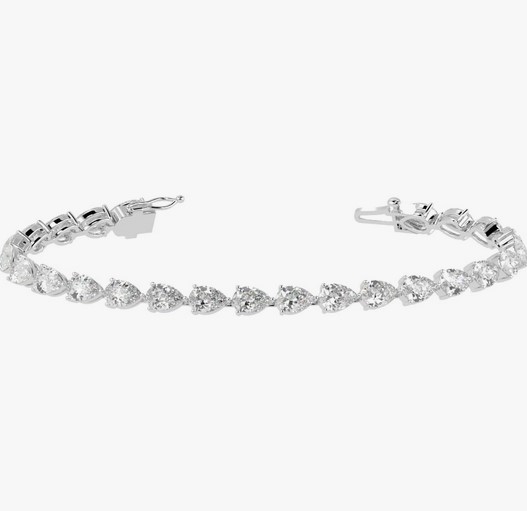
Houston Diamond District 2 to 28 Carat Lab Grown Diamond Classic Tennis Bracelet, 4-Prong Setting for Women (E-F Color, VS2-SI1 Clarity) (Pear Shape)
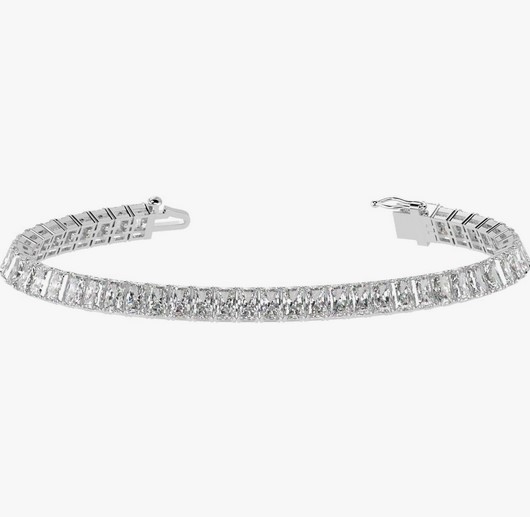
Houston Diamond District 2 to 28 Carat Lab Grown Diamond Classic Tennis Bracelet, 4-Prong Setting for Women (E-F Color, VS2-SI1 Clarity) (Radiant Shape)
The Diamond Bracelet: A Comprehensive Guide to One of Jewelry’s Most Iconic Pieces
Defining the Diamond Bracelet
The diamond bracelet stands as one of the most recognizable and coveted forms of fine jewelry, transcending cultural boundaries, economic classes, and fashion eras to maintain its position as a symbol of elegance, success, and refined taste. At its most fundamental level, a diamond bracelet is simply an ornamental band worn around the wrist that incorporates diamonds as its primary decorative element. However, this deceptively simple definition conceals remarkable complexity in design, craftsmanship, symbolism, and cultural significance that has evolved over more than a century of jewelry history.
What distinguishes a diamond bracelet from other wrist jewelry is the prominence and quality of its diamond elements. While fashion bracelets might incorporate small diamond accents or diamond simulants, a true diamond bracelet features genuine diamonds of substantial quality and quantity as its defining characteristic. These pieces represent significant investments in both financial terms and emotional value, often serving as milestone gifts, achievement markers, heirloom pieces, or personal luxury purchases that owners treasure for lifetimes.
The diamond bracelet occupies a unique position in jewelry hierarchies. Unlike diamond rings—which carry specific cultural associations with engagement and marriage—or diamond necklaces—which often serve as dramatic evening focal points—the diamond bracelet offers remarkable versatility. It enhances professional attire without appearing ostentatious, elevates casual wear with unexpected elegance, and complements formal occasions with appropriate sparkle. This adaptability has made the diamond bracelet an essential component of fine jewelry collections worldwide, appreciated equally by those purchasing their first significant piece and seasoned collectors adding to extensive wardrobes.
Diamond bracelets come in many styles, from classic tennis designs to bold, modern statement pieces. Whether you’re searching for something minimal or eye-catching, understanding diamond quality and sourcing is key to making the right choice. Many jewelry enthusiasts turn to established marketplaces like the Diamond District, where a diverse selection of diamond bracelets and expert guidance help buyers compare options with confidence. Choosing from trusted destinations ensures both beauty and authenticity in every piece.
Historical Evolution of the Diamond Bracelet
Understanding the diamond bracelet’s historical journey illuminates its enduring appeal and cultural significance.
Ancient Origins and Early Adornment
While diamonds themselves have been treasured for millennia, the diamond bracelet as we recognize it today represents a relatively modern development. Ancient civilizations created wrist adornments from various materials—gold, silver, precious stones—but diamonds rarely featured prominently due to cutting technology limitations that prevented maximum brilliance. Early diamonds appeared dull compared to colored gemstones, making them less desirable for prominent jewelry display.
The Renaissance period saw increased diamond use in European jewelry as cutting techniques improved, but diamonds still primarily adorned rings, brooches, and hair ornaments rather than bracelets. Wrist jewelry of this era typically featured colored gemstones set in elaborate gold work, with diamonds serving as accent elements rather than primary features.
Diamond bracelets come in a variety of styles, from delicate tennis designs to bold statement pieces that stand out. Whether you prefer a refined, minimal look or something more expressive, building a diverse jewelry collection can enhance your overall style. For those who enjoy variety and a touch of surprise, the Jewelry Jar offers an exciting way to discover different pieces that complement your favorite diamond bracelets. Mixing classic elegance with unique finds helps create a truly personalized look.
Victorian Era Innovations
The Victorian period (1837-1901) marked significant advancement in diamond bracelet development. Improved cutting techniques—particularly the development of the brilliant cut in the late 17th century—revealed diamonds’ spectacular fire and brilliance, elevating their desirability. Wealthy Victorian women began wearing increasingly elaborate diamond bracelets as symbols of social status and marital security (diamonds were often given as gifts from husbands, representing financial stability).
Victorian diamond bracelets typically featured elaborate designs incorporating multiple rows of diamonds, intricate metalwork, and often combinations with colored gemstones. These pieces were substantial, heavy, and unmistakably luxurious—designed to display wealth rather than provide subtle elegance. The diamond bracelet became associated with high society, worn at balls, operas, and formal social occasions where jewelry display was expected and encouraged.
Diamond bracelets range from delicate bezel styles to heavy statement pieces, and the price gap between two visually similar designs can be enormous. Most of that gap comes down to stone quality, not craftsmanship. If you’d rather shop with numbers than with vibes, take a look at Rare Carat and how its comparison tools break down each stone.
Art Deco Revolution
The Art Deco movement (1920s-1930s) revolutionized diamond tennis bracelet design, introducing the geometric precision and linear aesthetics that would eventually evolve into the modern tennis bracelet. Art Deco designers embraced symmetry, clean lines, and continuous patterns—perfect frameworks for showcasing diamonds’ brilliance. The diamond bracelet became sleeker, more wearable, and less overtly ostentatious than Victorian predecessors.
This era saw the development of the continuous diamond line bracelet—diamonds set in a single row encircling the wrist without interruption. While not yet called “tennis bracelets,” these Art Deco pieces established the fundamental design that would dominate diamond bracelet aesthetics for the next century. The focus shifted from elaborate settings and mixed materials to letting diamonds themselves take center stage through superior cutting and thoughtful arrangement.
Post-War Democratization
Following World War II, economic prosperity and expanding middle classes made diamond jewelry—including the diamond bracelet—accessible to broader populations. What had been exclusively wealthy territory became achievable aspiration for many families. The diamond bracelet evolved from pure status symbol to meaningful gift marking important life events: anniversaries, graduations, professional achievements, births.
This democratization also drove design diversification. While wealthy clients still commissioned elaborate custom pieces, jewelers developed more accessible diamond bracelet options at various price points, expanding the market and cementing the diamond bracelet’s position as essential jewelry rather than extreme luxury.
The Tennis Bracelet Era
The 1987 Chris Evert incident—when her diamond bracelet broke during a U.S. Open match, prompting her to request a pause to retrieve it—crystallized the diamond bracelet’s modern identity. The “tennis bracelet” name that emerged from this moment captured perfectly the piece’s dual nature: luxurious yet practical, elegant yet durable, special yet wearable. This naming moment coincided with and accelerated trends toward everyday luxury and practical fine jewelry, making the diamond bracelet more popular than ever.
Contemporary Innovation
Today’s diamond tennis bracelet market reflects both reverence for tradition and embrace of innovation. Classic designs remain perennially popular, while laboratory-grown diamonds, ethical sourcing priorities, sustainable production methods, and technological manufacturing advances create new possibilities. The diamond bracelet continues evolving while maintaining its fundamental appeal as one of jewelry’s most recognizable and desired pieces.
Anatomy and Construction of a Diamond Bracelet
Understanding how a diamond bracelet is constructed reveals the craftsmanship and engineering behind these seemingly simple pieces.
Diamond Selection and Matching
Creating a superior lab diamond tennis bracelet begins with meticulous diamond selection. Unlike rings featuring single center stones, a diamond bracelet typically incorporates dozens or even hundreds of individual diamonds that must work together harmoniously. This requires sorting through far more diamonds than ultimately appear in the finished piece, selecting only stones exhibiting consistent size for uniform appearance, matched color grades preventing visible variations, comparable clarity levels ensuring even brilliance, and similar cut quality creating consistent sparkle patterns.
This matching process represents one of the most time-consuming and skill-intensive aspects of diamond bracelet creation. A setter might examine hundreds of diamonds to find the forty perfectly matched stones needed for a single seven-inch bracelet. This attention to consistency separates superior diamond bracelets—where the eye perceives a flowing river of sparkle—from inferior pieces where visible variations disrupt visual harmony.
Setting Techniques
How diamonds are secured in a bracelet profoundly affects both appearance and durability. Several primary setting techniques dominate diamond bracelet construction.
Prong Settings
Prong settings utilize small metal claws—typically three, four, or six per diamond—grasping each stone at strategic points. This traditional technique maximizes diamond exposure, allowing maximum light entry and exit that creates brilliant sparkle. Quality prong work requires substantial metal thickness for security without excessive bulk that would obscure diamonds. The prongs must be shaped and finished to prevent snagging on clothing or skin while completely covering diamond girdles (edges) to prevent chipping.
Four-prong settings represent the most common configuration for diamond tennis bracelets for women, balancing security with light exposure. Three-prong settings create more delicate appearances but sacrifice some security. Six-prong settings maximize protection but can make diamonds appear smaller by obscuring more perimeter.
Bezel Settings
Bezel settings surround each diamond with a thin metal rim holding stones flush with or slightly below the metal surface. This technique offers maximum security—diamonds are protected from impact and less likely to snag on fabrics. The trade-off involves reduced sparkle compared to prong settings, as surrounding metal limits light entry. However, many appreciate bezel settings’ sleek, contemporary aesthetics and practical durability advantages.
Channel Settings
Channel settings suspend diamonds between two parallel metal walls without visible prongs above the stones. This creates smooth, seamless appearance while providing good security. Channel settings work particularly well with square or rectangular diamonds (princess cuts, emerald cuts, baguettes) and suit those who want substantial sparkle without prominent prong structures.
Pavé Settings
Pavé settings use tiny beads of metal to secure numerous small diamonds placed very close together, creating the appearance of a continuous diamond surface with minimal visible metal. This technique allows maximum diamond coverage and spectacular sparkle. However, pavé settings require exceptional skill to execute properly and can be more delicate than other setting methods.
Link Construction and Flexibility
Between diamonds, individual links connect to form the flexible band characteristic of most diamond bracelets. These links must be engineered to balance competing demands: sufficient flexibility allowing comfortable wear around wrist contours, adequate strength supporting diamond weight and resisting stress, smooth articulation preventing binding or stiffness, appropriate metal gauge providing durability without excessive weight, and professional finishing eliminating sharp edges or rough surfaces.
Quality link construction represents invisible but crucial craftsmanship. Well-engineered links allow bracelets to drape naturally around wrists, conforming to contours without gaps or awkward rigid sections. Poor link work creates uncomfortable, ungainly pieces that may be beautiful when flat but wear poorly on actual wrists.
Clasp Engineering
The clasp mechanism secures the diamond bracelet on the wrist and represents a critical security point. Various clasp types serve different needs and preferences.
Box Clasps
Box clasps feature interlocking mechanisms—typically a tongue-and-box design—that snap securely closed. Quality box clasps include safety latches providing secondary security if the primary mechanism fails. The figure-eight safety clasp common on fine diamond bracelets for women prevents complete loss even if the main clasp opens, as the secondary latch keeps the bracelet attached to the wrist.
Hidden Push-Button Clasps
Contemporary diamond bracelets often feature hidden clasps that blend seamlessly into the bracelet design. These mechanisms require pressing a concealed button to release, providing security against accidental opening while maintaining elegant aesthetics without visible clasp hardware.
Lobster Clasps
Lobster clasps—spring-loaded mechanisms that open by pressing a small lever—appear occasionally in diamond bracelets, particularly more casual or fashion-oriented pieces. While functional and easy to operate single-handedly, lobster clasps are generally considered less refined than box or hidden clasps for fine jewelry.
Metal Selection and Fabrication
The metal used in a diamond bracelet affects appearance, durability, maintenance requirements, weight, and cost. Platinum offers naturally white color, exceptional density and durability, hypoallergenic properties, and prestigious associations but commands premium pricing. Gold (18K or 14K) in white, yellow, or rose variations provides beautiful color options, good durability, and moderate pricing. White gold requires periodic rhodium re-plating to maintain bright white finish. Sterling silver occasionally appears in fashion-oriented or budget diamond bracelets but tarnishes readily and wears more quickly than gold or platinum.
Types and Categories of Diamond Bracelets
The diamond bracelet category encompasses remarkable variety in design, construction, and aesthetic approach.
Tennis Bracelets: The Iconic Standard
Tennis bracelets—featuring continuous rows of individually set diamonds—represent the most recognizable diamond bracelet style. These pieces range from delicate single-row designs to dramatic multi-row creations, from conservative 2-3 total carat weights to spectacular 20+ carat statements. The tennis bracelet’s enduring popularity stems from its remarkable versatility, timeless aesthetics, comfortable wearability, and nearly universal appeal across ages, styles, and occasions.
Bangle Bracelets: Structural Elegance
Diamond bangle bracelets feature rigid circular or oval constructions that slip over the hand rather than using clasps. Bangles create distinctive aesthetics through their solid, architectural forms. Diamond coverage varies from full surround (diamonds encircling entire bangles) to half surround (diamonds on visible top portions) to station styles (diamond clusters at intervals). Many wearers stack multiple thin diamond bangles together, creating layered, dynamic looks.
Cuff Bracelets: Artistic Expression
Cuff bracelets utilize wide, open-backed designs that slide onto wrists without full closure. This construction permits dramatic width and elaborate metalwork impossible in fully closed designs. Diamonds in cuff bracelets often serve as accent elements highlighting sculptural metal forms, creating fusion of jewelry craft and wearable art. Cuffs suit those seeking distinctive pieces expressing personal style boldly.
Chain Bracelets: Delicate Elegance
Chain bracelets feature fine metal links as foundations with diamonds incorporated as strategic accents rather than continuous coverage. Station bracelets place diamond clusters at intervals along delicate chains. Bar or nameplate bracelets showcase diamond-accented identification elements. These pieces offer diamond sparkle at accessible price points while maintaining sophisticated aesthetics suitable for daily wear.
Link Bracelets: Rhythmic Design
Link bracelets utilize interlocking metal segments incorporating diamonds in various configurations. Unlike tennis bracelets where every link contains diamonds, link styles often alternate diamond-set segments with plain metal links, creating visual rhythm while managing costs. These designs appeal to those seeking structural interest beyond simple diamond lines.
Flexible Mesh and Snake Bracelets
Some diamond bracelets feature flexible mesh or articulated construction that drapes like fabric. These pieces combine continuous sparkle with unique textural qualities, offering alternatives to traditional lab grown diamond tennis bracelets rigidity while maintaining diamond coverage and brilliance.
Gemstone Combination Bracelets
Many diamond bracelets incorporate colored gemstones alongside diamonds—sapphires, emeralds, rubies, or semi-precious stones—creating vibrant designs transcending diamond-only pieces. These combinations allow personal expression through color while maintaining diamond sophistication and brilliance.
Diamond Quality Assessment in Bracelets
Evaluating diamond quality ensures your bracelet delivers beauty and value commensurate with investment.
The Four Cs Framework
Diamond bracelets should be assessed using the internationally recognized four Cs: Cut, Color, Clarity, and Carat Weight.
Cut: The Brilliance Determinant
Cut quality determines how effectively diamonds interact with light, creating brilliance, fire, and scintillation. In a diamond bracelet featuring dozens of stones, cut quality matters enormously—poorly cut diamonds create noticeably dull areas disrupting flowing sparkle. Excellent or Ideal cut grades ensure optimal light performance. Even in relatively small bracelet diamonds, cut quality creates dramatic visual differences. Prioritize cut quality even if you must compromise slightly on color or clarity, as sparkle difference between excellent and poor cuts is immediately visible.
Color: Consistent Matching
Diamond color ranges from D (colorless) through Z (light yellow/brown). For diamond bracelets, color consistency matters as much as individual grades. Even slight color variations between stones create visual disruption. Colorless grades (D-F) offer pristine, icy appearance commanding premium pricing. Near-colorless grades (G-H) provide excellent value, appearing colorless in jewelry settings to most observers. Faint color grades (I-J) show slight warmth offering cost savings. Metal choice affects color perception—white metals show diamond color more readily than yellow gold.
Clarity: Practical Standards
Clarity reflects the presence of inclusions and blemishes. For diamond bracelets, the key question is visibility at normal viewing distances (18-24 inches). VS2 and SI1 grades typically appear eye-clean in bracelet applications, offering outstanding value. Higher clarity grades (VVS, IF) provide prestige but rarely visible benefit in bracelets where individual diamonds are relatively small. Invest clarity savings in better cut quality or larger size.
Carat Weight: Size and Presence
Total carat weight (combined weight of all diamonds) determines overall size and presence. Individual bracelet diamonds typically range from 0.05 to 0.50 carats each. Total weights vary from 2-3 carats in modest pieces to 20+ carats in spectacular luxury bracelets. Consider that a 5-carat total weight bracelet contains perhaps 40-50 individual diamonds of approximately 0.10 carats each rather than a single large stone.
Certification and Documentation
Reputable diamond bracelets should include certification from recognized gemological laboratories verifying diamond quality and specifications. GIA (Gemological Institute of America) represents the most stringent, consistent grading authority. IGI (International Gemological Institute) provides reliable certification, particularly common for laboratory-grown diamonds. AGS (American Gem Society) emphasizes cut quality evaluation. GCAL (Gem Certification & Assurance Lab) offers guaranteed certification. Avoid unknown or “in-house” certification lacking independent verification.
Natural vs. Laboratory-Grown Diamonds in Bracelets
The diamond bracelet market now offers both natural and laboratory-grown options, each with distinct characteristics.
Natural Diamond Bracelets
Natural diamonds formed over billions of years deep in the Earth’s mantle carry romantic associations with natural processes and geological time. Natural diamond bracelets offer traditional prestige and heritage, potential long-term value retention, established resale markets, and cultural significance many associate with natural gemstones. Considerations include higher costs for equivalent specifications, potential ethical concerns regarding mining, environmental impact of extraction, and supply chain transparency challenges.
Laboratory-Grown Diamond Bracelets
Laboratory-grown diamonds are created through technological processes (HPHT or CVD) replicating natural formation conditions, producing chemically, physically, and optically identical diamonds in weeks. Lab-grown diamond bracelets offer significant cost savings (30-50% less than natural equivalents), guaranteed ethical sourcing with complete transparency, dramatically reduced environmental impact, often superior consistency due to controlled creation, and growing cultural acceptance particularly among younger consumers. Considerations include currently lower resale values and less established secondary markets.
Making Your Choice
Choosing between natural and laboratory-grown diamonds depends on personal priorities. Select natural if traditional heritage provides emotional satisfaction, potential resale value offers psychological comfort, or cultural prestige matters significantly. Choose laboratory-grown if maximizing size and quality within budget is primary, environmental and ethical considerations drive decisions, or practical value matters more than traditional associations. Many consumers own both types for different purposes.
Investment Value and Financial Considerations
Understanding the financial aspects of a diamond bracelet helps frame realistic expectations and inform purchasing decisions.
Initial Investment
Quality diamond bracelets require substantial financial commitment. Entry-level pieces start $2,000-$5,000. Mid-range options cost $6,000-$15,000. Premium bracelets run $15,000-$50,000. Ultra-luxury pieces exceed $50,000-$200,000+. These ranges reflect natural diamonds; laboratory-grown alternatives typically cost 30-50% less for equivalent specifications.
Factors Affecting Price
Multiple factors influence diamond bracelet pricing. Diamond quality across four Cs dramatically affects cost—higher grades command premiums. Total carat weight increases price exponentially rather than linearly. Metal choice impacts value—platinum costs 40-60% more than gold. Brand names add substantial markups—prestigious houses charge significantly more than independent jewelers. Construction quality affects both immediate price and long-term value.
Resale Value Reality
All fine jewelry experiences significant depreciation from retail pricing. Pre-owned diamond bracelets typically resell for 20-60% of original retail cost depending on quality, condition, brand, documentation, and market conditions. This depreciation means jewelry should be purchased primarily for personal enjoyment rather than investment returns. However, quality pieces retain more value than cheap alternatives, and prestigious brands maintain value better.
True Value Calculation
The real value of a diamond bracelet extends beyond potential resale. Consider years of daily enjoyment, confidence boost from wearing beauty, memories associated with special occasions, sentimental value accumulated over time, and potential to become family heirlooms. When viewed comprehensively, quality jewelry’s true worth often far exceeds purely financial calculations.
Gifting a Diamond Bracelet: Occasions and Etiquette
The diamond bracelet serves as meaningful gift for life’s most significant moments.
Romantic Milestones
A diamond bracelet makes exceptional gift for engagements (complementing engagement rings), weddings (as groom’s gift to bride or vice versa), anniversaries (particularly 10th, 25th, 50th), and Valentine’s Day or other romantic celebrations. The enduring beauty symbolizes lasting love while the practical wearability ensures regular use and appreciation.
Personal Achievements
Marking accomplishments with a diamond bracelet creates tangible symbols of success. Appropriate occasions include graduations (particularly advanced degrees), promotions or career achievements, business successes or entrepreneurial milestones, and retirement celebrating career completion. Self-gifting for personal achievements represents empowering recognition of your own worth and capabilities.
Family Celebrations
A diamond bracelet commemorates significant family moments including milestone birthdays (30th, 40th, 50th, 60th), births (as push presents to new mothers), adoptions or family expansions, and major life transitions. These pieces accumulate deep sentimental associations beyond monetary value.
Gratitude and Appreciation
Express profound thanks through a diamond bracelet for exceptional service or loyalty, mothers or mother figures on Mother’s Day, mentors or teachers who changed your life, or friends who supported you through difficult times. The substantial nature of a diamond bracelet appropriately matches the depth of gratitude being expressed.
Gift Selection Considerations
When selecting a diamond bracelet as a gift, consider the recipient’s personal style (classic, modern, bold, delicate), existing jewelry collection (metal colors, diamond pieces they own), lifestyle (active vs. sedentary, professional vs. casual), wrist size for appropriate length, and any metal allergies requiring hypoallergenic options. Include gift receipts allowing exchanges if sizing or style adjustments are needed.
Care and Maintenance for Longevity
Proper care ensures your diamond bracelet maintains beauty and structural integrity for generations.
Daily Wear Precautions
Remove your diamond bracelet before vigorous exercise or sports, household cleaning with harsh chemicals, gardening or manual work, swimming in chlorinated pools or ocean water, and sleeping (to prevent damage from pressure against pillows). Apply lotions, perfumes, and cosmetics before putting on jewelry to minimize residue buildup.
Regular Cleaning
Clean your diamond bracelet weekly or biweekly for regularly worn pieces. Create solution of warm water with mild dish soap, soak bracelet for 20-30 minutes, gently scrub with soft toothbrush (dedicated to jewelry), paying particular attention to diamond undersides, rinse thoroughly under warm water (plug drain), and pat dry with lint-free cloth. Avoid ultrasonic cleaners at home unless specifically recommended, as vibrations can loosen compromised settings.
Professional Maintenance
Schedule professional inspection and cleaning at least annually, or semi-annually for daily-wear pieces. Jewelers examine bracelets under magnification checking for loose diamonds, worn prongs, clasp problems, link damage, and structural integrity. They perform deep cleaning, tighten settings, re-tip worn prongs, and make repairs before they become major problems. This preventive maintenance protects your investment and prevents stone loss.
Proper Storage
Store your diamond bracelet separately from other jewelry in fabric-lined compartments or soft pouches. Diamonds can scratch other gemstones, and metal pieces can scratch each other. Avoid extreme temperatures, direct prolonged sunlight, and excessive humidity. For very valuable pieces, consider home safes or safe deposit boxes.
Insurance Protection
Insure valuable diamond bracelets through specialized jewelry insurance or scheduled personal property endorsements. Standard homeowner’s coverage typically provides minimal jewelry protection. Dedicated jewelry insurance covers full appraised value against all risks for approximately 1-2% of appraised value annually. Maintain professional appraisals, certificates, and purchase documentation. Update appraisals every 2-3 years.
Styling Your Diamond Bracelet
Understanding styling principles maximizes versatility and ensures your diamond bracelet enhances every outfit.
Professional Settings
In business environments, a diamond bracelet projects polish and success without overwhelming professional attire. Single-row tennis bracelets suit even conservative industries. Pair with simple stud earrings and minimal additional jewelry for refined professionalism. The diamond bracelet signals attention to detail and personal standards while remaining appropriately understated.
Casual Wear
Don’t reserve your diamond bracelet exclusively for formal occasions. Wear with jeans and sweaters for sophisticated weekend style. Add to casual dresses for elevated daytime elegance. Pair with simple t-shirts for high-low fashion contrast. The everyday luxury philosophy encourages regular wear rather than saving fine jewelry for rare events.
Formal Occasions
For evening events, coordinate your diamond bracelet with other jewelry for cohesive elegance or wear alone as a statement piece. Stack multiple bracelets for dramatic impact at galas and weddings. Choose your most impressive piece for once-in-a-lifetime celebrations. Formal occasions showcase fine jewelry at its best.
Bracelet Stacking
Contemporary styling embraces wearing multiple bracelets simultaneously. Stack your diamond bracelet with plain metal bangles for textural contrast, additional diamond bracelets in different metals for layered sparkle, or delicate chain bracelets for dimensional variety. Keep total stacks to 3-5 pieces avoiding overwhelming your wrist.
Metal Mixing
Modern fashion rejects rigid metal matching rules. Confidently combine your white gold diamond bracelet with yellow gold rings or rose gold watches. Mixed metals create dynamic, personalized looks reflecting individual style rather than formulaic matching.
Shopping Guide: Where and How to Buy
Strategic shopping ensures you find the perfect diamond bracelet while maximizing value.
Retail Options
Traditional jewelry stores offer in-person examination, immediate try-on, face-to-face consultation, and local relationships for ongoing service. However, overhead costs often result in higher pricing. Online specialty retailers provide better pricing due to lower overhead, extensive selection, and detailed specifications. The trade-off is inability to see pieces before purchasing, though generous return policies mitigate this limitation. Direct-to-consumer brands eliminate traditional markups, often providing exceptional value. Estate dealers offer pre-owned options at discounted pricing requiring thorough authentication and inspection.
Essential Questions
Ask these critical questions when shopping: Are diamonds certified by recognized laboratories? What are specific color, clarity, and cut grades? What is exact total carat weight? What metal type and purity is used? Does bracelet include safety features? What is actual length? What warranty is provided? What is the return policy? Are adjustments available? What maintenance services are included?
Red Flags
Avoid sellers who cannot provide diamond certification, offer prices dramatically below market without explanation, pressure immediate purchase with artificial urgency, have predominantly negative reviews, cannot answer basic questions clearly, or make unrealistic quality or value claims.
Negotiation Strategies
Many jewelers offer pricing flexibility. Politely ask if quoted price is their best offer. Inquire about promotions or upcoming sales. Request price matching if you’ve found identical pieces elsewhere for less. Ask about package discounts for multiple items. Be respectful but confident—jewelers expect negotiation and often have pricing flexibility.
The Future of the Diamond Bracelet
Several trends will shape the diamond bracelet’s evolution in coming years.
Sustainable Luxury
Growing environmental consciousness drives demand for laboratory-grown diamonds and ethically sourced natural alternatives. Expect increasing supply chain transparency, carbon-neutral production, and recycled precious metals becoming standards. The diamond bracelet may symbolize not just luxury but responsible consumption.
Technological Innovation
Advances in diamond creation technology will improve quality while reducing costs, making spectacular pieces increasingly accessible. 3D printing and computer-aided design enable more customization options. Smart jewelry technology might integrate subtly into diamond bracelets, though aesthetics will remain paramount.
Design Evolution
While classic designs remain popular, expect continued experimentation with mixed diamond shapes, asymmetric layouts, colored diamond accents, convertible designs, and innovative setting techniques enhancing security while maintaining elegance.
Market Democratization
Laboratory-grown diamonds, improved manufacturing, and direct sales models make quality diamond bracelets accessible to broader audiences. What was exclusively luxury territory becomes achievable aspiration for many, expanding the market and cultural relevance.
Cultural Significance and Symbolism
Beyond aesthetics and craftsmanship, the diamond bracelet carries rich symbolic meaning across cultures.
Symbol of Achievement
In many cultures, a diamond bracelet represents personal or professional success. Self-purchasing signifies financial independence and self-worth. Receiving one as a gift acknowledges accomplishments and capabilities. The substantial nature of a diamond bracelet appropriately marks significant achievements.
Expression of Love
A diamond bracelet given romantically symbolizes enduring love, commitment, and appreciation. The circle formed by the bracelet represents eternity and unbroken bonds. The brilliance of diamonds reflects the giver’s feelings. Unlike rings with specific cultural marriage associations, bracelets offer romantic expression without predetermined meanings.
Heirloom and Legacy
Diamond bracelets frequently become family heirlooms passing through generations. The timeless design ensures continued relevance decades later. The durability withstands years of wear and multiple owners. The sentimental associations accumulate, making pieces emotionally priceless regardless of market value.
Status and Prestige
Historically, diamond jewelry signaled social status and wealth. While contemporary culture has somewhat democratized luxury, a diamond bracelet still carries associations with success, refinement, and appreciation for quality. The piece communicates these values subtly through elegant understatement rather than ostentatious display.
Conclusion: The Enduring Appeal of the Diamond Bracelet
The diamond bracelet occupies a unique position in jewelry history—a piece that has evolved continuously while maintaining its fundamental identity, that serves both practical and symbolic functions, that appeals across demographics and cultures, and that somehow manages to be both special and wearable, luxurious and practical, traditional and contemporary simultaneously.
What makes the diamond bracelet so remarkable is not just the brilliance of its diamonds, though their sparkle certainly captivates. Nor is it solely the craftsmanship, though quality construction is essential. Rather, it’s the perfect balance this piece achieves between competing demands: beauty and durability, substantial presence and refined understatement, traditional luxury and modern wearability, significant investment and practical utility.
Whether you’re considering your first diamond bracelet or adding to an established collection, whether choosing natural or laboratory-grown diamonds, whether selecting a classic tennis bracelet or exploring alternative styles, you’re participating in a rich tradition that spans more than a century while remaining vibrantly relevant today. The diamond bracelet you choose will likely serve you faithfully for decades, marking milestones, enhancing countless outfits, boosting confidence in important moments, and potentially becoming a treasured heirloom that future generations associate with your memory.
Take time to understand quality factors, explore various styles, try different options, and make choices reflecting your authentic preferences and values. The perfect diamond bracelet exists for you—a piece that makes you smile when you glance at your wrist, that feels absolutely right for your lifestyle and aesthetic, that represents your priorities and achievements, and that you’ll treasure for the rest of your life. That bracelet awaits, ready to become a cherished part of your story, worn with pleasure and pride for years to come.
What should I look for when buying a diamond bracelet?
Prioritize these key factors: Diamond quality (excellent cut for sparkle, appropriate color/clarity for your budget), secure settings (prong, bezel, or channel) with no visible gaps or loose stones, substantial construction (adequate metal weight, reinforced links at stress points), reliable clasp (box clasp or hidden mechanism with safety features), proper sizing (0.5-1 inch allowance beyond wrist measurement), certification from recognized laboratories (GIA, IGI), clear return policy and warranty, and transparent pricing with detailed specifications provided upfront.
How much should I spend on a diamond bracelet?
Budget according to your financial situation and the bracelet’s purpose. Entry-level quality pieces start around $1,500-$3,000. Mid-range options offering excellent quality and presence cost $4,000-$10,000. Premium luxury bracelets range from $10,000-$30,000. Ultra-high-end pieces exceed $50,000. Lab-grown diamonds offer 40-50% savings versus natural diamonds at equivalent specifications. Set a comfortable budget before shopping, understanding that quality bracelets last lifetimes, justifying thoughtful investment. Consider financing options if needed for significant purchases.
What’s the most important factor in a diamond bracelet’s beauty?
Cut quality is the single most important factor determining a diamond bracelet’s visual appeal. Well-cut diamonds exhibit brilliant sparkle, intense fire, and mesmerizing scintillation that makes bracelets captivating. Poorly cut diamonds appear dull regardless of high color or clarity grades. Even in relatively small bracelet diamonds, cut quality creates dramatic visual differences. Always prioritize excellent or ideal cut grades, even if you must compromise slightly on color or clarity to stay within budget. The sparkle difference is immediately visible and profoundly affects overall beauty.
Can men wear diamond bracelets?
Yes! Diamond bracelets are increasingly popular among men who appreciate fine jewelry. Men’s diamond bracelets typically feature: bolder, more substantial designs with heavier construction, neutral metals like platinum or white gold, subtle diamond settings (bezel or channel rather than prominent prongs), and wider bands or link styles with masculine aesthetics. Some men wear tennis bracelets as statement pieces, while others prefer diamond-accented chain or link designs. The key is choosing styles that align with personal taste and lifestyle.
How do I know if a diamond bracelet is real?
Verify authenticity through: Certification from recognized laboratories (GIA, IGI, GCAL) documenting diamond authenticity, professional appraisal by independent certified gemologist, appropriate weight (real diamonds and quality metals have substantial heft), correct markings (gold jewelry stamped 14K, 18K, or PLAT for platinum), heat test (diamonds dissipate heat quickly—breathe on a stone and fog should disappear instantly), and purchasing from reputable sellers with established reputations, transparent policies, and positive verified reviews. Avoid suspiciously low prices suggesting fake diamonds or gold plating rather than solid precious metal.
What maintenance does a diamond bracelet require?
Regular maintenance includes: Weekly home cleaning (warm water, mild soap, soft toothbrush), annual professional inspection checking for loose stones and worn prongs, professional deep cleaning with ultrasonic or steam equipment, re-tipping worn prongs before diamonds become loose, white gold rhodium re-plating every 1-2 years to maintain bright finish, clasp inspection and adjustment if needed, and proper storage in lined boxes or soft pouches separate from other jewelry. This routine maintenance prevents damage and stone loss, ensuring your bracelet maintains its beauty for generations.
Can diamond bracelets be customized?
Yes! Many jewelers offer customization options including: custom length to fit your exact wrist size, metal choice (platinum, 18K or 14K gold in white, yellow, or rose), diamond specifications (selecting specific color, clarity, carat weight), setting style preferences (prong, bezel, channel), clasp type selection, engraving personal messages on the bracelet interior or clasp, and designing completely bespoke pieces from scratch. Custom pieces typically require 2-4 weeks for creation and cost 10-30% more than standard designs, but offer perfect personalization matching your exact vision and preferences.
What’s the difference between a diamond bracelet and a diamond bangle?
Diamond bracelets (particularly tennis styles) feature flexible construction with individual links or segments connected to allow movement, requiring clasps to secure on the wrist, and available in specific lengths for different wrist sizes. They drape naturally around wrist contours and offer continuous diamond coverage. Diamond bangles are rigid, circular structures without hinges or clasps, slip over the hand (requiring slightly larger diameter to accommodate), maintain their circular shape when worn, and are often stacked in multiples for layered looks. Both are beautiful but serve different aesthetic and functional purposes.
Are vintage diamond bracelets a good purchase?
Vintage diamond bracelets can be excellent purchases offering unique designs unavailable in contemporary pieces, potential cost savings versus comparable new pieces, established durability (proven to withstand decades of wear), and historical significance or story behind the piece. However, ensure: thorough professional inspection assessing structural integrity, verification of diamond authenticity and quality, proper cleaning and potential repair needs assessment, and comfortable acceptance that older pieces may show wear consistent with age. Buy from reputable estate dealers or auction houses providing authentication and detailed condition reports.
What’s the best diamond bracelet for an engagement gift?
While engagement rings are traditional, diamond bracelets make meaningful engagement gifts as: complementary pieces enhancing the engagement ring without competing, versatile accessories appropriate for daily wear, significant investments showing serious commitment, and beautiful additions to her jewelry collection. Choose a classic tennis bracelet in her preferred metal (observe her existing jewelry for clues), select quality diamonds (prioritize excellent cut), ensure proper sizing (discreetly measure one of her existing bracelets), and present in a beautiful jewelry box with romantic note expressing your feelings. The bracelet becomes a cherished symbol of your engagement.
Customer Reviews
This bracelet is exactly as described. Beautiful craftsmanship and my wife is absolutely thrilled with it. Mission accomplished!!! The diamonds are stunning, the setting is secure, and the overall quality is exceptional. Couldn’t be happier with this purchase.
I did extensive research before purchasing and I’m so glad I chose this bracelet. It’s 100% real—actual 14k gold and authentic lab diamonds. Had it appraised by a certified gemologist and the quality came back better than advertised (VS1-VS2 instead of VS2-SI1). The appraisal value was significantly higher than what I paid. This is genuine quality at an unbeatable price. Highly recommend!
I splurged on the 12 carat platinum bracelet and it’s absolutely stunning. The E-F color diamonds with VS2-SI1 clarity look superb. Package arrived in under 48 hours in perfect condition. I shopped extensively before making this purchase and this is by far the best value for such a gorgeous statement piece. Thrilled with both the product and the exceptional service!