Every bracelet features E-F color, VS2-SI1 clarity diamonds with full certification
Unbeatable Value
Save 40-60% compared to traditional jewelers without compromising quality
Trusted Craftsmanship and Customer Confidence
Every diamond tennis bracelet is designed for comfort, security, and everyday wear, featuring reliable clasps and expertly balanced settings.
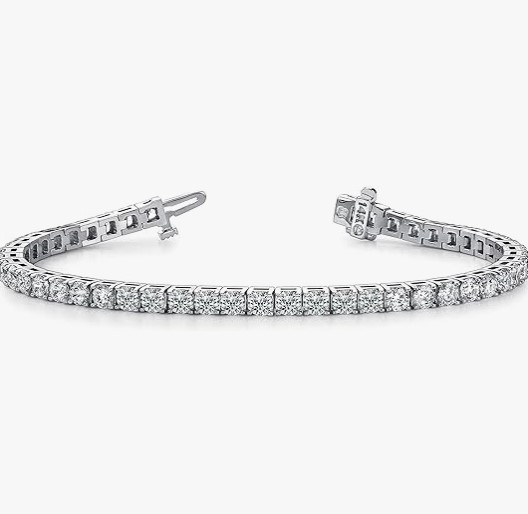
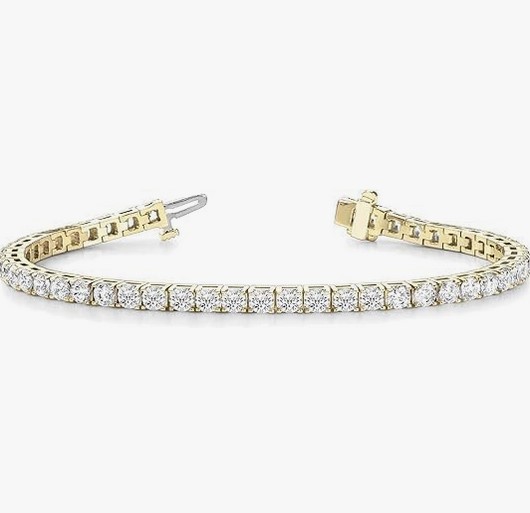
Houston Diamond District 3 to 50 Carat Classic LAB GROWN Diamond Tennis Bracelet 4 Prong Ultra Premium Collection (E-F Color, VS2-SI1 Clarity)
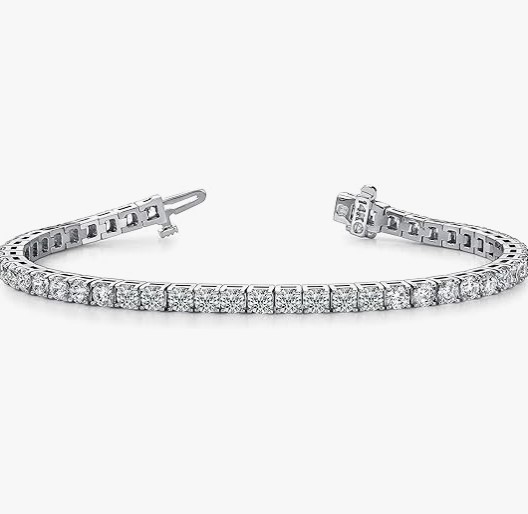
Houston Diamond District 2 to 28 Carat Lab Grown Diamond Classic Tennis Bracelet, 4-Prong Setting for Women (E-F Color, VS2-SI1 Clarity) (Round Shape)
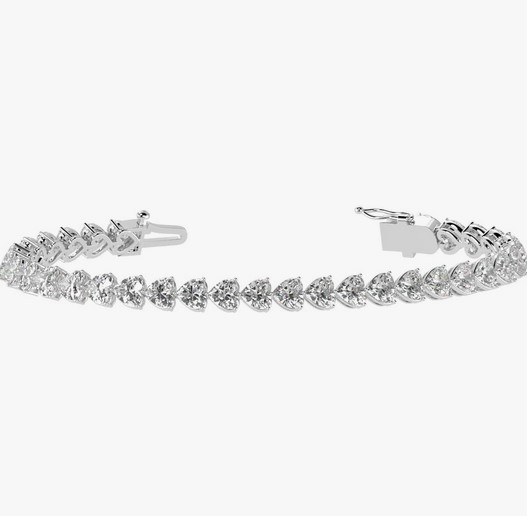
Houston Diamond District 2 to 28 Carat Lab Grown Diamond Classic Tennis Bracelet, 4-Prong Setting for Women (E-F Color, VS2-SI1 Clarity) (Heart Shape)
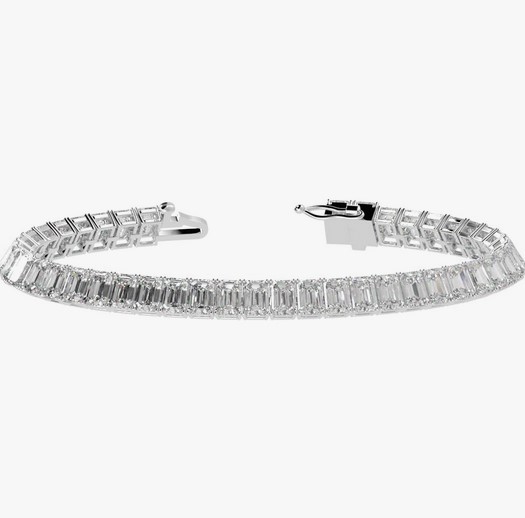
Houston Diamond District 2 to 28 Carat Lab Grown Diamond Classic Tennis Bracelet, 4-Prong Setting for Women (E-F Color, VS2-SI1 Clarity) (Emerald Shape)
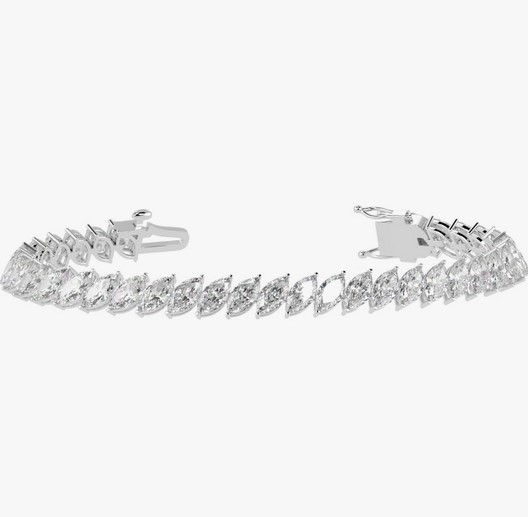
Houston Diamond District 2 to 28 Carat Lab Grown Diamond Classic Tennis Bracelet, 4-Prong Setting for Women (E-F Color, VS2-SI1 Clarity) (Marquise Shape)
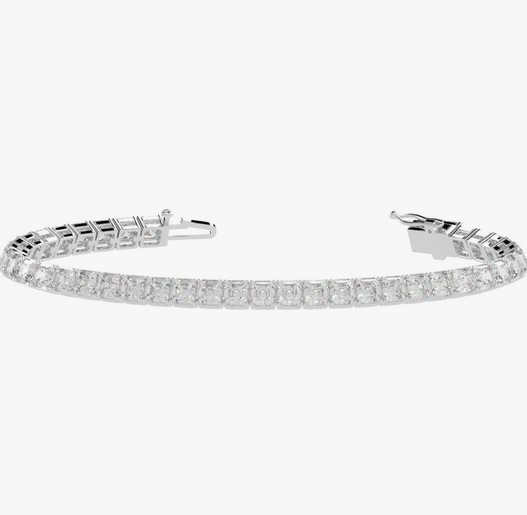
Houston Diamond District 2 to 28 Carat Lab Grown Diamond Classic Tennis Bracelet, 4-Prong Setting for Women (E-F Color, VS2-SI1 Clarity) (Asscher Shape)
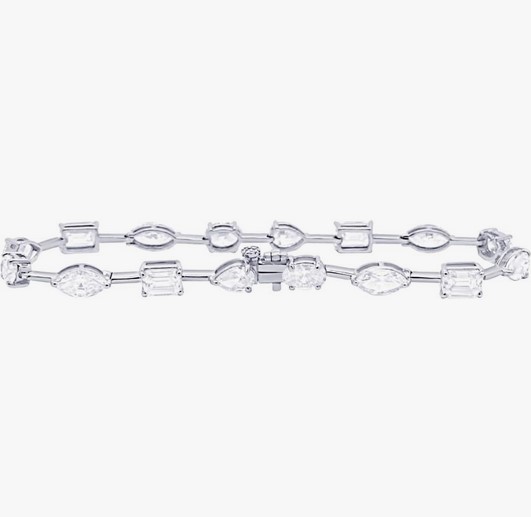
Houston Diamond District 2 to 28 Carat Lab Grown Diamond Classic Tennis Bracelet, 4-Prong Setting for Women (E-F Color, VS2-SI1 Clarity) (Mixed Shape)
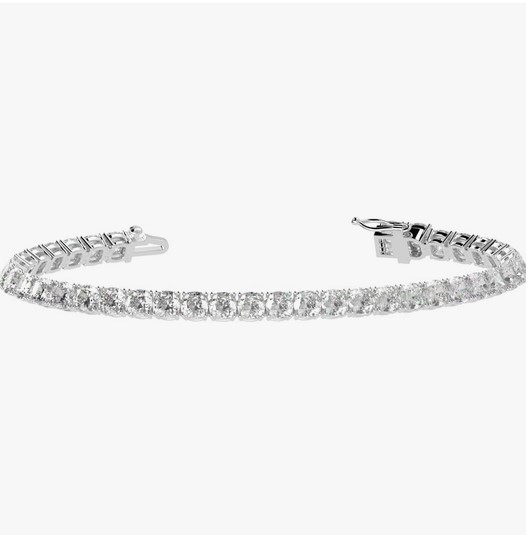
Houston Diamond District 2 to 28 Carat Lab Grown Diamond Classic Tennis Bracelet, 4-Prong Setting for Women (E-F Color, VS2-SI1 Clarity) (Cushion Shape)
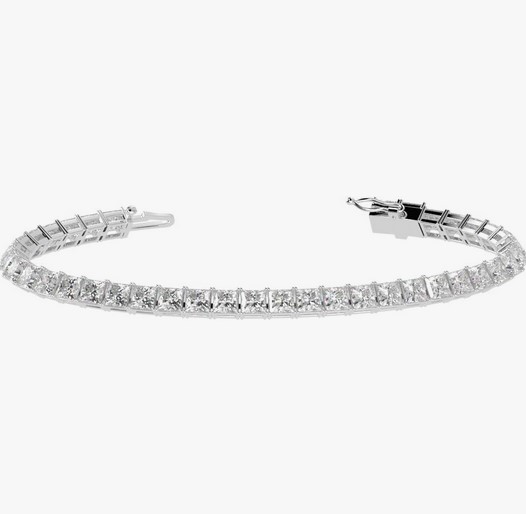
Houston Diamond District 2 to 28 Carat Lab Grown Diamond Classic Tennis Bracelet, 4-Prong Setting for Women (E-F Color, VS2-SI1 Clarity) (Princess Shape)
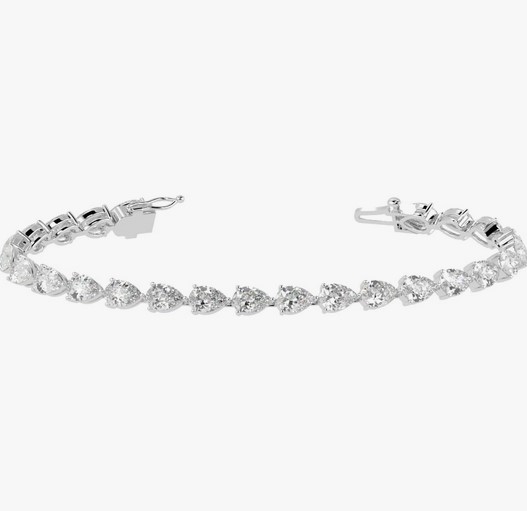
Houston Diamond District 2 to 28 Carat Lab Grown Diamond Classic Tennis Bracelet, 4-Prong Setting for Women (E-F Color, VS2-SI1 Clarity) (Pear Shape)
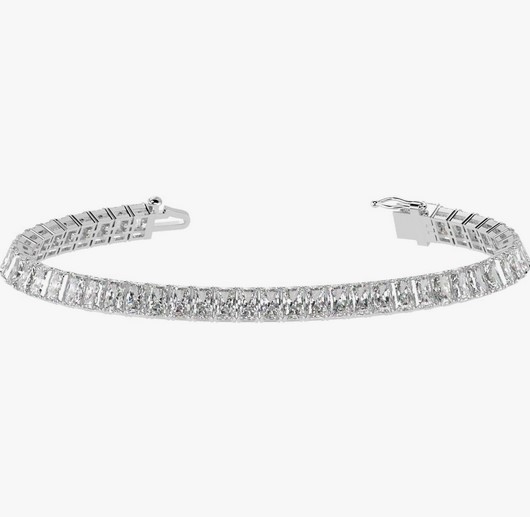
Houston Diamond District 2 to 28 Carat Lab Grown Diamond Classic Tennis Bracelet, 4-Prong Setting for Women (E-F Color, VS2-SI1 Clarity) (Radiant Shape)
The Ultimate Guide to Diamond Tennis Bracelets: Timeless Elegance for Every Occasion
Discover the Brilliance of Diamond Tennis Bracelets
Few pieces of jewelry capture timeless sophistication quite like a diamond tennis bracelet. This iconic accessory has graced the wrists of style icons, celebrities, and discerning women around the world for decades, earning its place as an essential element of any fine jewelry collection. Whether you’re searching for the perfect gift, commemorating a special milestone, or simply treating yourself to something extraordinary, a diamond tennis bracelet represents an investment in beauty that transcends fleeting fashion trends.
The enduring appeal of diamond tennis bracelets for women lies in their remarkable versatility. These elegant pieces seamlessly transition from boardroom to ballroom, complementing everything from casual daywear to formal evening attire. The continuous line of brilliantly cut diamonds creates a mesmerizing play of light with every movement, drawing admiration and adding a touch of refined luxury to any ensemble.
The Evolution of the Tennis Bracelet: A Storied History
The diamond tennis bracelet earned its distinctive name during the 1987 U.S. Open when professional tennis player Chris Evert experienced an unforgettable wardrobe malfunction. Mid-match, her elegant diamond line bracelet broke and scattered across the court, prompting her to request a pause in play until it could be found. This memorable incident catapulted the accessory into the spotlight, and the “tennis bracelet” moniker was born—a name that has endured for nearly four decades.
However, the history of this style extends far beyond that famous tennis match. Jewelry artisans have been creating continuous diamond line bracelets since the Art Deco period of the 1920s and 1930s, when geometric designs and symmetrical patterns dominated fine jewelry aesthetics. These early iterations showcased the same fundamental design principle that makes modern diamond bracelets for women so captivating: a seamless succession of individually set diamonds that create an unbroken river of sparkle.
Why Choose a Lab Diamond Tennis Bracelet?
The jewelry industry has experienced a revolutionary transformation in recent years with the emergence of laboratory-grown diamonds. A lab diamond tennis bracelet offers all the visual magnificence, physical properties, and chemical composition of natural diamonds while presenting several compelling advantages that resonate with modern consumers.
The Science Behind Lab-Grown Diamonds
When you select a lab grown diamond tennis bracelet, you’re choosing gemstones that are atomically identical to their earth-mined counterparts. Created through sophisticated technological processes—either High Pressure High Temperature (HPHT) or Chemical Vapor Deposition (CVD)—these diamonds possess the same hardness (10 on the Mohs scale), refractive index, and spectral characteristics as natural diamonds. Even expert gemologists require specialized equipment to distinguish between lab-grown and mined diamonds, as they are visually and structurally indistinguishable to the naked eye.
Environmental and Ethical Considerations
A lab diamond tennis bracelet represents a conscious choice for environmentally aware consumers. Traditional diamond mining involves significant land disruption, substantial water consumption, and considerable carbon emissions. Laboratory creation dramatically reduces these environmental impacts, requiring less energy and producing no mining waste or habitat destruction. Furthermore, lab-grown diamonds eliminate concerns about conflict diamonds or questionable mining labor practices, offering complete transparency in their origin and production.
Exceptional Value and Quality
Perhaps one of the most attractive features of a lab grown diamond tennis bracelet is the remarkable value proposition. Laboratory-grown diamonds typically cost 30-50% less than comparable natural diamonds, allowing you to maximize your budget without compromising on size, quality, or brilliance. This price advantage means you can select larger carat weights, superior color grades, or better clarity ratings—or simply enjoy more competitive pricing for the same specifications you’d find in a natural diamond piece.
Understanding Diamond Quality: The Four Cs
Whether you’re considering a lab diamond tennis bracelet or a natural diamond option, understanding the fundamental quality factors is essential to making an informed purchase. The renowned “Four Cs”—Cut, Color, Clarity, and Carat Weight—serve as the universal language of diamond evaluation.
Cut: The Key to Brilliance
The cut of a diamond determines how effectively it interacts with light, making it the most crucial factor in a diamond bracelet‘s overall visual impact. In tennis bracelets, round brilliant cuts are most common, featuring 58 precisely angled facets that maximize light return. However, you’ll also find princess cuts (square with pointed corners), emerald cuts (rectangular with step-cut facets), and other fancy shapes. A well-cut diamond exhibits optimal brightness, fire (colored light dispersion), and scintillation (sparkle).
Color: From Colorless to Tinted
Diamond color grading ranges from D (completely colorless and most valuable) through Z (light yellow or brown tint). For diamond tennis bracelets for women, most jewelers recommend grades between D and H, as these appear colorless or near-colorless to the untrained eye. In a tennis bracelet setting, consistent color matching across all diamonds is particularly important to maintain visual harmony.
Clarity: Internal Characteristics
Clarity refers to the presence (or absence) of internal inclusions and external blemishes. The GIA clarity scale ranges from Flawless (no inclusions or blemishes visible under 10x magnification) to Included (inclusions visible to the naked eye). For a diamond bracelet, many experts suggest that VS2 to SI1 grades offer an excellent balance of eye-clean appearance and value, as minor inclusions are typically invisible without magnification in smaller bracelet diamonds.
Carat Weight: Size and Presence
Carat weight measures a diamond’s mass, with one carat equaling 200 milligrams. In tennis bracelets, total carat weight (the combined weight of all diamonds) is the relevant specification. A diamond tennis bracelet might contain anywhere from 2 to 20+ carats total, depending on the length, number of stones, and individual diamond sizes. Remember that carat weight alone doesn’t determine beauty—a smaller, well-cut diamond often appears more brilliant than a larger, poorly cut one.
Choosing the Perfect Diamond Tennis Bracelet: Style Considerations
The beauty of diamond bracelets for women lies not only in their inherent elegance but also in the diverse range of styles available to suit different preferences, occasions, and personal aesthetics.
Classic Single-Row Design
The traditional diamond tennis bracelet features a single row of uniformly sized diamonds set in a continuous line. This timeless design typically showcases round brilliant-cut diamonds in four-prong settings, which maximize light exposure while securely holding each stone. The classic single-row bracelet remains the most versatile option, pairing effortlessly with both casual and formal attire.
Multi-Row and Graduated Styles
For those seeking additional drama and presence, multi-row diamond tennis bracelets for women feature two, three, or even more parallel rows of diamonds. Graduated designs start with smaller diamonds at the clasp and increase in size toward the top of the wrist, creating a visually dynamic effect that draws the eye. These bolder interpretations make particularly striking statement pieces for special occasions.
Colored Diamond Accents
While traditional white diamonds remain most popular, contemporary lab diamond tennis bracelets sometimes incorporate colored diamonds—fancy yellows, blues, pinks, or blacks—either as accent stones or in alternating patterns with white diamonds. These creative variations allow for personalization and unique expression while maintaining the fundamental tennis bracelet aesthetic.
Mixed Metal Settings
The metal choice significantly impacts the overall appearance of your diamond bracelet. White gold and platinum offer a cool, contemporary look that emphasizes diamond brilliance without color interference. Yellow gold provides warm, traditional elegance, while rose gold has surged in popularity for its romantic, vintage-inspired appeal. Some designs even combine multiple metals for added visual interest.
Selecting the Ideal Size and Fit
Proper sizing ensures that your diamond tennis bracelet sits comfortably on your wrist while maintaining security and showcasing the diamonds to their best advantage.
Measuring Your Wrist
To determine the correct bracelet length, measure your wrist circumference at its narrowest point (just below the wrist bone) using a flexible measuring tape or a string that you can later measure against a ruler. For diamond bracelets for women, standard lengths typically range from 6.5 to 8 inches, with 7 inches being the most common size.
Determining Proper Allowance
A well-fitted diamond tennis bracelet should have approximately 0.5 to 1 inch of movement beyond your wrist measurement. This allowance ensures comfortable movement while preventing the bracelet from sliding too freely or feeling restrictive. If you prefer a snugger fit that sits higher on your wrist, choose a smaller allowance; for a looser, more mobile fit that hangs lower, opt for a full inch of additional length.
Clasp Considerations
The clasp mechanism plays a crucial role in both security and ease of wear. High-quality lab grown diamond tennis bracelets typically feature one of three clasp types: box clasps with safety latches (most secure), lobster clasps (easy to operate), or hidden clasp systems (sleek and seamless). Many premium pieces include a safety chain as an additional security measure, preventing loss if the primary clasp should fail.
Investment Value and Long-Term Considerations
A diamond tennis bracelet represents not merely a purchase but an investment in enduring beauty and lasting value. Understanding the factors that influence long-term worth helps you make a decision you’ll appreciate for decades to come.
Natural Diamonds vs. Lab-Grown: Financial Perspectives
Traditional natural diamond tennis bracelets have historically maintained stable resale value, particularly for pieces featuring high-quality stones in excellent condition. However, the resale market for pre-owned jewelry typically returns 20-60% of the original retail price, depending on brand prestige, diamond quality, and current market conditions.
A lab diamond tennis bracelet offers exceptional initial value due to lower production costs, though the secondary market for lab-grown diamonds remains developing. For many buyers, this translates into a smart purchasing strategy: acquiring a more impressive piece for their budget, with the understanding that the primary value lies in personal enjoyment and aesthetic appeal rather than potential resale.
Timeless Design = Lasting Appeal
Unlike trend-driven fashion jewelry, diamond tennis bracelets for women maintain their relevance across generations. The classic design has remained essentially unchanged since its popularization in the 1980s, suggesting strong continued desirability. This timelessness makes a diamond tennis bracelet an excellent candidate for family heirlooms, passed down to daughters and granddaughters as both beautiful adornment and sentimental treasure.
Quality as the Foundation
Regardless of whether you choose a lab grown diamond tennis bracelet or natural diamond alternative, investing in superior quality ensures lasting satisfaction. Well-cut diamonds maintain their brilliance indefinitely, requiring only periodic professional cleaning to restore their sparkle. Durable settings crafted from substantial metal weight and secure prong construction protect your investment from damage and stone loss over years of wear.
Care and Maintenance: Preserving Your Investment
Proper care ensures that your diamond bracelet retains its stunning appearance and structural integrity throughout years—or even generations—of enjoyment.
Daily Wear Precautions
While diamonds rank as the hardest natural substance, they aren’t indestructible. Remove your diamond tennis bracelet before engaging in activities that might subject it to impact or abrasion: vigorous exercise, manual labor, gardening, or sports. Diamonds can chip if struck at certain angles, and prongs can bend or loosen with repeated trauma, potentially leading to stone loss.
Cleaning and Maintenance
Regular cleaning maintains the brilliant sparkle that makes diamond tennis bracelets for women so captivating. For home care, soak your bracelet in warm water with mild dish soap for 20-30 minutes, then gently scrub with a soft toothbrush to remove buildup from lotions, oils, and everyday grime. Rinse thoroughly and pat dry with a lint-free cloth.
Professional cleaning and inspection should occur at least once annually. Jewelers use ultrasonic cleaners and steamers to remove stubborn residue while checking for loose stones, worn prongs, and clasp integrity. These preventive maintenance appointments can save you from the heartbreak of losing diamonds from your lab diamond tennis bracelet due to unnoticed setting problems.
Proper Storage
Store your diamond bracelet separately from other jewelry to prevent scratching (diamonds can damage softer gemstones and metals, while metal pieces can scratch each other). A fabric-lined jewelry box compartment or individual soft pouch provides ideal protection. Avoid exposing your bracelet to extreme temperatures or harsh chemicals, including chlorine, which can damage metal settings over time.
Occasions Perfect for Diamond Tennis Bracelets
The remarkable versatility of diamond bracelets for women makes them appropriate for virtually any occasion, from everyday elegance to once-in-a-lifetime celebrations.
Milestone Celebrations
A diamond tennis bracelet serves as a meaningful gift for significant life events: milestone birthdays (especially 30th, 40th, or 50th), wedding anniversaries (particularly the 10th, 25th, or 50th), graduations, promotions, or the birth of a child. The enduring nature of diamonds symbolizes permanent commitment and lasting love, making them ideal tokens for momentous occasions.
Bridal Jewelry
Brides increasingly choose diamond tennis bracelets for women as wedding day accessories, appreciating their ability to complement engagement rings and other bridal jewelry without competing for attention. A lab grown diamond tennis bracelet offers an especially budget-friendly option for brides who desire luxurious sparkle while managing wedding expenses, allowing more flexibility in the overall jewelry budget.
Professional Settings
The understated elegance of a single-row diamond tennis bracelet makes it entirely appropriate for professional environments. Unlike bold, statement jewelry that might seem distracting in conservative workplace settings, a classic tennis bracelet projects polish, success, and refined taste without overwhelming business attire. It pairs beautifully with everything from tailored suits to crisp white shirts.
Everyday Luxury
Perhaps the greatest pleasure comes from wearing your diamond bracelet regularly, transforming ordinary days into special occasions. Modern women increasingly reject the notion that fine jewelry should remain locked away for rare events, instead embracing the philosophy that beautiful things should be enjoyed. A durable, well-made lab diamond tennis bracelet can absolutely serve as an everyday accessory, bringing sparkle and joy to routine activities.
Styling Your Diamond Tennis Bracelet
Understanding how to style diamond tennis bracelets for women helps you maximize their versatility and create cohesive, polished looks.
Solo Statements
A diamond tennis bracelet possesses sufficient presence to stand alone as your sole wrist accessory. This minimalist approach allows the diamonds’ brilliance to take center stage, creating an elegant, uncluttered aesthetic that works particularly well with formal attire or in professional settings where less-is-more prevails.
Stacking and Layering
Contemporary jewelry trends embrace bracelet stacking, combining multiple pieces for a curated, personalized look. Your diamond bracelet can anchor a stack that includes complementary tennis bracelets in different metals, plain metal bangles, or even delicate chain bracelets. When stacking, consider varying widths and textures while maintaining a cohesive color palette (all cool-toned metals or all warm-toned metals).
Mixing Metals
Gone are the days when mixing gold, silver, and platinum was considered a fashion faux pas. Modern styling celebrates combinations of different metal tones, allowing you to wear your white gold lab diamond tennis bracelet alongside yellow gold bangles or rose gold chains. This freedom enables you to maximize your jewelry collection without worrying about perfect matches.
Balancing Other Jewelry
When wearing a diamond tennis bracelet, consider the total weight of your jewelry ensemble. If you’re wearing substantial diamond earrings and a dramatic necklace, a delicate single-row bracelet maintains balance without creating excessive sparkle. Conversely, if your other jewelry is minimal, a multi-row or larger-stone tennis bracelet can serve as your statement piece.
Understanding Diamond Certifications
Reputable certification ensures that your diamond tennis bracelet contains the quality of diamonds you’re paying for, providing both peace of mind and potential value documentation.
Major Certification Laboratories
The Gemological Institute of America (GIA) stands as the most respected and stringent diamond grading authority worldwide. GIA certificates provide detailed assessments of each diamond’s cut, color, clarity, and carat weight using consistent, rigorous standards. Other respected laboratories include the American Gem Society (AGS), International Gemological Institute (IGI), and European Gemological Laboratory (EGL), though standards and strictness vary among these organizations.
Certification for Lab-Grown Diamonds
High-quality lab diamond tennis bracelets should include certification from recognized laboratories, clearly identifying the diamonds as laboratory-grown. GIA, IGI, and GCAL (Gem Certification & Assurance Lab) all grade lab-grown diamonds using the same 4Cs criteria applied to natural diamonds, with reports explicitly stating “laboratory-grown” or “laboratory-created” to prevent any confusion.
What Certificates Should Include
A comprehensive certificate for your diamond bracelet should document the total carat weight, the number of stones, individual diamond grades (or average grades if stones are similar), metal type and purity, and any treatments or enhancements. For higher-value pieces, some jewelers provide certificates for each individual diamond, though this is more common for larger stones than for the smaller diamonds typically used in tennis bracelets.
Price Considerations and Budgeting
Understanding the factors that influence pricing helps you set realistic expectations and make informed decisions when shopping for diamond bracelets for women.
Price Range Overview
Entry-level diamond tennis bracelets typically start around $1,000-$2,000, featuring smaller diamonds (0.25-0.50 carats per stone) with moderate quality grades in sterling silver or lower-karat gold settings. Mid-range options ($3,000-$10,000) offer better diamond quality, larger stones (0.50-1.00 carats each), and superior metal settings. High-end pieces ($10,000-$50,000+) showcase exceptional diamonds in platinum or high-karat gold with meticulous craftsmanship.
Lab-Grown Diamond Value
A lab grown diamond tennis bracelet of comparable specifications to a natural diamond piece typically costs 30-50% less, representing significant savings. For example, a 5-carat total weight natural diamond tennis bracelet might retail for $8,000-$12,000, while an equivalent lab diamond tennis bracelet could be available for $4,000-$6,000. This price advantage allows you to upgrade to larger or higher-quality diamonds within your budget.
Value Optimization Strategies
To maximize value when purchasing your diamond tennis bracelet, consider these strategies: prioritize cut quality over color or clarity (cut has the greatest impact on brilliance); select near-colorless grades (G-H) rather than colorless (D-F) for significant savings with minimal visual difference; choose VS2 or SI1 clarity grades that appear eye-clean; and consider slightly smaller carat weights (2.95 instead of 3.00 carats) to avoid premium pricing at round-number thresholds.
Custom Design and Personalization Options
For those seeking a truly unique piece, custom-designed diamond tennis bracelets for women allow complete control over every aspect of the creation.
Bespoke Design Process
Working with a jeweler to create a custom diamond bracelet typically involves several consultations where you’ll discuss design preferences, select diamonds, choose metal type and setting style, and approve design renderings before production begins. This collaborative process ensures your finished piece perfectly reflects your vision and preferences.
Personalization Elements
Custom options for lab diamond tennis bracelets include unique diamond shapes or combinations (alternating round and baguette cuts, for example), custom metal mixing (such as white gold with rose gold accents), varied diamond sizes creating graduated effects, personalized clasp designs, and engraved messages on the interior of the bracelet or clasp.
Heirloom Redesign
Many people choose to transform inherited diamond jewelry into modern diamond tennis bracelets, preserving sentimental stones in a contemporary, wearable form. This approach honors family history while creating something perfectly suited to your style and lifestyle, breathing new life into diamonds that might otherwise remain unworn in a jewelry box.
Insurance and Protection
Protecting your investment in a diamond tennis bracelet requires appropriate insurance coverage designed specifically for valuable jewelry.
Why Jewelry Insurance Matters
Homeowner’s or renter’s insurance typically provides minimal coverage for jewelry—often just $1,000-$2,000 total, and usually only for specific perils like fire or theft, not for loss or mysterious disappearance. Given that even a modest diamond bracelet can exceed these limits, dedicated jewelry insurance becomes essential for comprehensive protection.
Specialized Jewelry Insurance
Dedicated jewelry insurance policies or scheduled personal property endorsements cover your lab grown diamond tennis bracelet for its full appraised value against all risks: loss, theft, damage, and mysterious disappearance. Premium costs typically range from 1-2% of the appraised value annually, meaning a $5,000 bracelet might cost $50-$100 per year to insure—a small price for peace of mind.
Documentation Requirements
Insurance companies require professional appraisals for coverage, typically from independent certified appraisers or qualified jewelry retailers. Your appraisal should include detailed descriptions, photographs, diamond certifications (if applicable), and current replacement value. Update appraisals every 2-3 years to account for market value changes and ensure adequate coverage for your diamond tennis bracelet.
Shopping Tips: Where and How to Buy
Knowing where to shop and what questions to ask ensures a positive purchasing experience for your diamond bracelets for women.
Traditional Retail Jewelers
Established brick-and-mortar jewelers offer the advantage of in-person examination, immediate try-on opportunities, and face-to-face consultation with knowledgeable staff. You can assess how a diamond tennis bracelet looks on your wrist, examine sparkle under various lighting conditions, and build a relationship with a local jeweler who can provide ongoing maintenance and repair services.
Online Retailers
Reputable online jewelry retailers often provide better pricing due to lower overhead costs, offering a lab diamond tennis bracelet at competitive rates compared to traditional stores. Look for companies offering detailed product specifications, high-resolution photography or video, diamond certifications, generous return policies (at least 30 days), and responsive customer service. Read reviews from independent sources, not just testimonials on the company’s website.
Questions to Ask Before Purchasing
Whether shopping online or in-store for your diamond tennis bracelet, ask these critical questions: Are the diamonds certified, and by which laboratory? What is the total carat weight and average quality (color, clarity, cut) of the diamonds? What metal type and purity is the setting? Does the bracelet include a safety clasp or chain? What is the return policy and warranty coverage? Is resizing or adjustment available if needed? What maintenance services are included?
Red Flags to Avoid
Be cautious of sellers who cannot provide diamond certifications, offer prices dramatically below market averages (often indicating inferior quality or misrepresentation), pressure you to buy immediately without time for consideration, or have poor customer reviews regarding quality or service. For lab grown diamond tennis bracelets, ensure the seller clearly discloses that diamonds are laboratory-grown, as misrepresentation is both unethical and illegal.
The Future of Diamond Tennis Bracelets
The evolution of technology and changing consumer values continue to shape the future of diamond tennis bracelets for women.
Technological Innovations
Laboratory diamond creation technology continues advancing, producing increasingly perfect stones with fewer detectable inclusions and more consistent quality. This progress means lab diamond tennis bracelets will likely become even more accessible and valuable as production efficiency improves and costs decrease further, democratizing luxury that was once available only to the wealthy.
Sustainability Trends
Growing environmental consciousness among consumers is driving demand for ethically sourced and sustainably produced jewelry. The appeal of lab grown diamond tennis bracelets aligns perfectly with these values, offering brilliant beauty without the environmental toll of traditional mining. Expect continued industry movement toward transparency, traceability, and reduced environmental impact across all jewelry production.
Design Evolution
While the classic diamond tennis bracelet design remains timeless, contemporary jewelers continue experimenting with innovative variations: asymmetric layouts, mixed gemstone integration, convertible pieces that transform from bracelets to necklaces, and smart jewelry technology integration. These creative interpretations appeal to younger generations seeking both tradition and innovation in their jewelry choices.
Conclusion: Your Perfect Diamond Tennis Bracelet Awaits
A diamond tennis bracelet represents more than mere adornment—it’s a symbol of achievement, a celebration of love, a marker of significant life moments, and a beautiful daily reminder of your worth. Whether you choose a traditional natural diamond piece or embrace the modern innovation of a lab diamond tennis bracelet, this timeless accessory will serve you faithfully for decades to come.
The diversity of options available ensures that every woman can find her perfect diamond bracelet, regardless of budget, style preference, or values. From petite, delicate single-row designs to bold multi-row statement pieces, from classic round brilliants to contemporary fancy shapes, from traditional white gold to romantic rose gold—the possibilities are as varied as the women who wear them.
As you embark on your search for the ideal diamond tennis bracelet, remember that the “perfect” piece is the one that speaks to you personally, fits your lifestyle, aligns with your budget, and brings you joy every time you wear it. Trust your instincts, do your research, ask questions, and choose quality over quantity. With proper care and appreciation, your diamond bracelets for women selection will become a treasured part of your jewelry collection and your life story—perhaps even becoming an heirloom that future generations will cherish as much as you do.
The journey to finding your perfect lab grown diamond tennis bracelet or natural diamond alternative should be as enjoyable as wearing the finished piece. Take your time, explore your options, and remember that this investment in beauty and quality will reward you with countless moments of sparkle, elegance, and confidence for years to come. Your perfect diamond tennis bracelet isn’t just waiting to be purchased—it’s waiting to become part of your story.
What is a diamond tennis bracelet?
A diamond tennis bracelet is a symmetrical bracelet featuring a continuous line of individually set diamonds linked together to encircle the wrist. The name originated from a famous 1987 incident when tennis champion Chris Evert’s diamond bracelet broke during a match. These elegant pieces are known for their versatility, timeless design, and ability to complement any outfit from casual to formal.
How do I choose the right carat weight for my tennis bracelet?
The ideal carat weight depends on your wrist size, personal style, and budget. For everyday wear, 3-5 total carats provides noticeable sparkle without being overwhelming. For special occasions or if you prefer more dramatic jewelry, 6-10+ carats creates stunning impact. Petite wrists typically look best with 2-5 carats, while larger wrists can carry 7+ carats beautifully.
What’s the difference between natural and lab-grown diamond tennis bracelets?
Lab-grown diamonds are chemically, physically, and optically identical to natural diamonds—they’re real diamonds, just created in a lab instead of mined from the earth. The main differences are: lab-grown diamonds cost 40-50% less, are guaranteed conflict-free, have 95% lower environmental impact, and often offer better clarity. Natural diamonds have traditional prestige and potentially better resale value. Both are genuine diamonds with the same brilliance and durability.
How should a tennis bracelet fit?
A properly fitted tennis bracelet should have about 0.5-1 inch of space between the bracelet and your wrist. It should move freely around your wrist but not be so loose that it slides over your hand. The bracelet should sit comfortably without feeling tight or restrictive. Most women wear a 7-inch bracelet, though sizes typically range from 6.5 to 8 inches.
Are tennis bracelets suitable for everyday wear?
Absolutely! Tennis bracelets are designed for regular wear and actually became popular specifically because they’re durable enough for active lifestyles. With proper care—removing before strenuous activity, avoiding harsh chemicals, and regular cleaning—a quality tennis bracelet will maintain its beauty through years of daily wear. Many women wear them constantly and rarely take them off
What metal should I choose for my tennis bracelet?
The best metal depends on your preferences and lifestyle: – 14K White Gold: Most popular, durable, affordable, requires periodic re-plating – 18K White Gold: More luxurious, richer gold content, softer than 14K – Platinum: Most durable, naturally white (no plating needed), hypoallergenic, most expensive – Yellow Gold: Warm traditional look, never needs plating, complements warmer skin tones – Rose Gold: Romantic modern appeal, very durable, trending among younger buyers
How do I care for my diamond tennis bracelet?
Clean your bracelet weekly with warm water and mild dish soap, using a soft toothbrush to gently scrub around the diamonds. Rinse thoroughly and pat dry. Remove your bracelet before exercising, cleaning, or swimming. Schedule professional inspection and cleaning annually to check for loose stones. Store separately from other jewelry in a soft pouch or lined box to prevent scratching.
Customer Reviews
This is the review you’re looking for! I originally ordered the 5ct but exchanged it for the 7ct white gold, which filled my wrist perfectly and looked absolutely stunning. The price is unbeatable—you won’t find these cheaper anywhere for the same carat weight. They are 100% REAL. It’s actual 14k gold and authentic lab diamonds. I had it appraised by a gemologist and the quality came back BETTER than advertised (VS1-VS2 instead of VS2-SI1), with an appraisal value way over what I paid. Highly recommend grabbing one of these!
This bracelet is exactly as described. It is beautiful and my wife is thrilled with it. Mission accomplished!!! The diamonds are gorgeous, the mounting is excellent, and seeing her face light up when she opened the box made it all worth it. She hasn’t taken it off since!
I went to 6 jewelers comparing prices before ordering this 4ct bracelet. The secure clasp with safety lock, stunning appearance, and exceptional value made this an easy decision. My girlfriend is as happy as I am. Nothing to complain about—it’s everything I was looking for and more.