Environmentally Responsible
99% less water usage, zero habitat destruction, carbon-neutral shipping
Certified Authenticity
Every diamond certified by independent gemologists, full documentation included
Risk-Free Purchase
30-day returns, free resizing, lifetime warranty, secure shipping with insurance
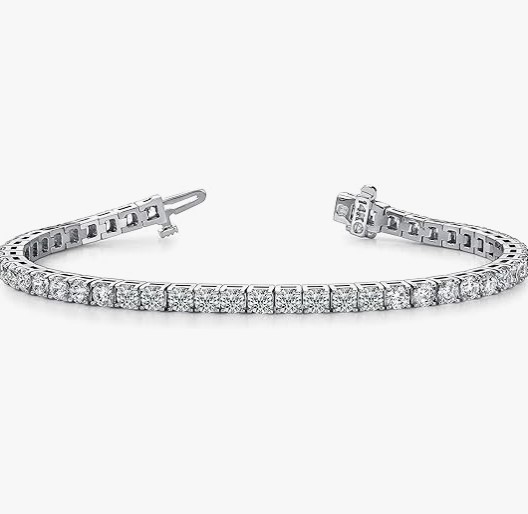
Houston Diamond District 2 to 28 Carat Lab Grown Diamond Classic Tennis Bracelet, 4-Prong Setting for Women (E-F Color, VS2-SI1 Clarity) (Round Shape)
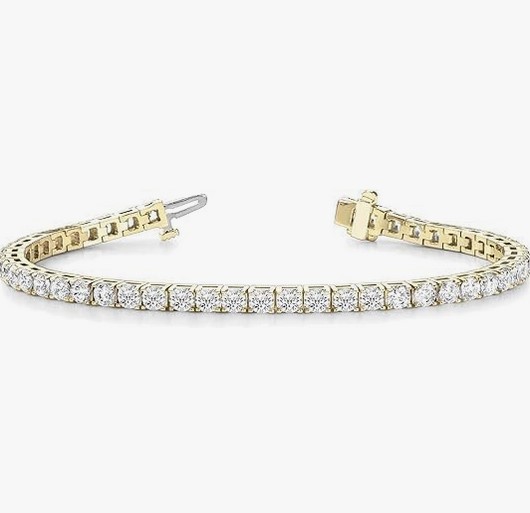
Houston Diamond District 3 to 50 Carat Classic LAB GROWN Diamond Tennis Bracelet 4 Prong Ultra Premium Collection (E-F Color, VS2-SI1 Clarity)
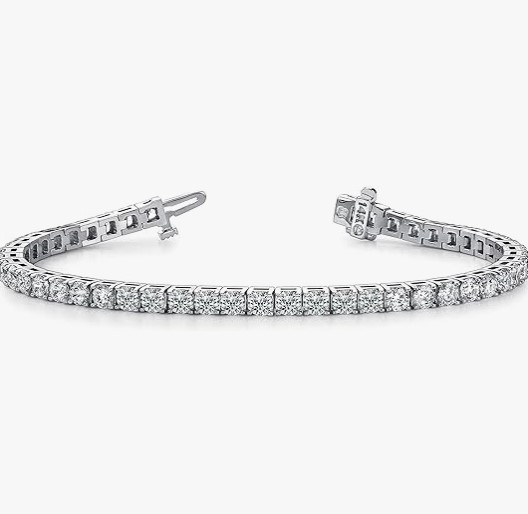
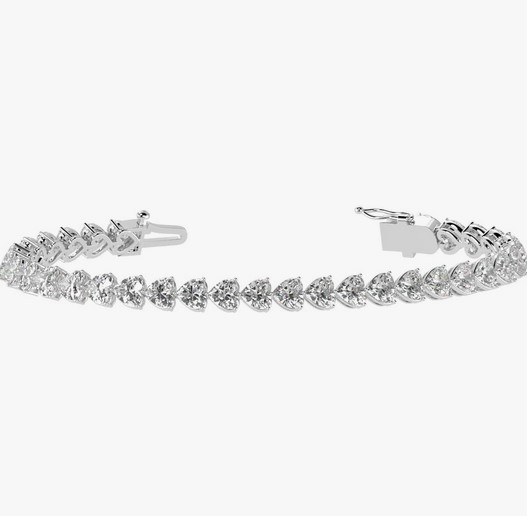
Houston Diamond District 2 to 28 Carat Lab Grown Diamond Classic Tennis Bracelet, 4-Prong Setting for Women (E-F Color, VS2-SI1 Clarity) (Heart Shape)
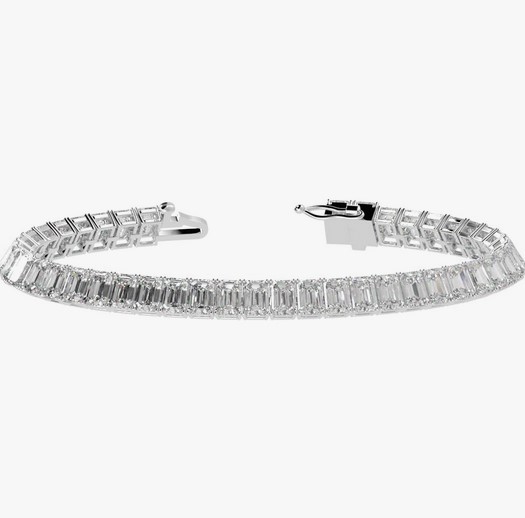
Houston Diamond District 2 to 28 Carat Lab Grown Diamond Classic Tennis Bracelet, 4-Prong Setting for Women (E-F Color, VS2-SI1 Clarity) (Emerald Shape)
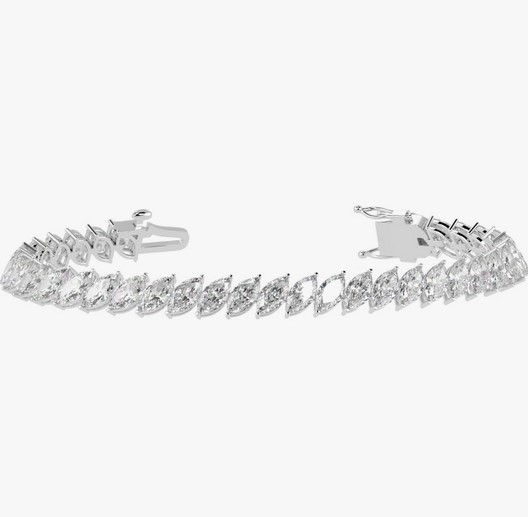
Houston Diamond District 2 to 28 Carat Lab Grown Diamond Classic Tennis Bracelet, 4-Prong Setting for Women (E-F Color, VS2-SI1 Clarity) (Marquise Shape)
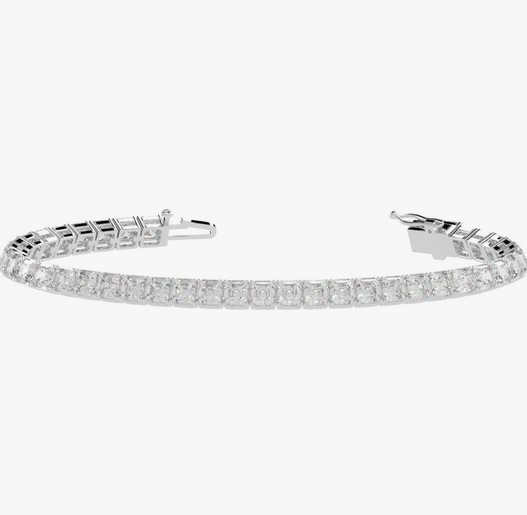
Houston Diamond District 2 to 28 Carat Lab Grown Diamond Classic Tennis Bracelet, 4-Prong Setting for Women (E-F Color, VS2-SI1 Clarity) (Asscher Shape)
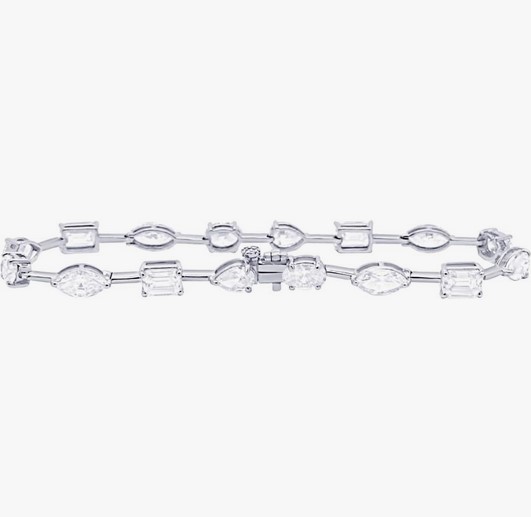
Houston Diamond District 2 to 28 Carat Lab Grown Diamond Classic Tennis Bracelet, 4-Prong Setting for Women (E-F Color, VS2-SI1 Clarity) (Mixed Shape)
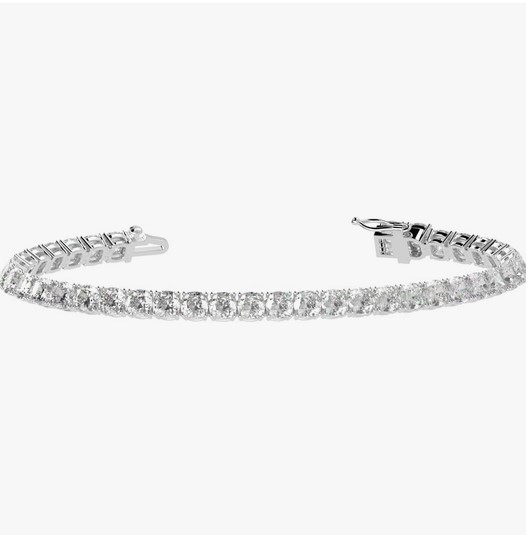
Houston Diamond District 2 to 28 Carat Lab Grown Diamond Classic Tennis Bracelet, 4-Prong Setting for Women (E-F Color, VS2-SI1 Clarity) (Cushion Shape)
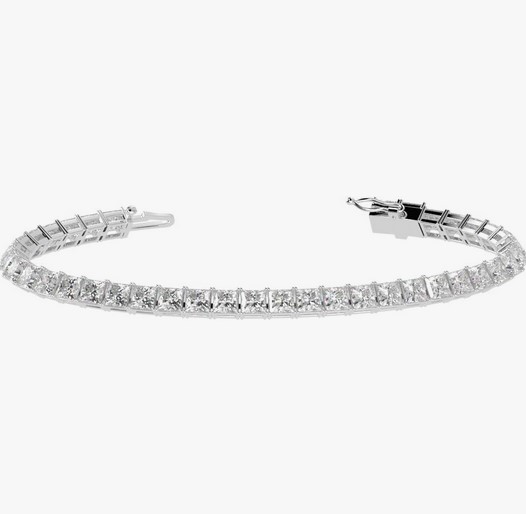
Houston Diamond District 2 to 28 Carat Lab Grown Diamond Classic Tennis Bracelet, 4-Prong Setting for Women (E-F Color, VS2-SI1 Clarity) (Princess Shape)
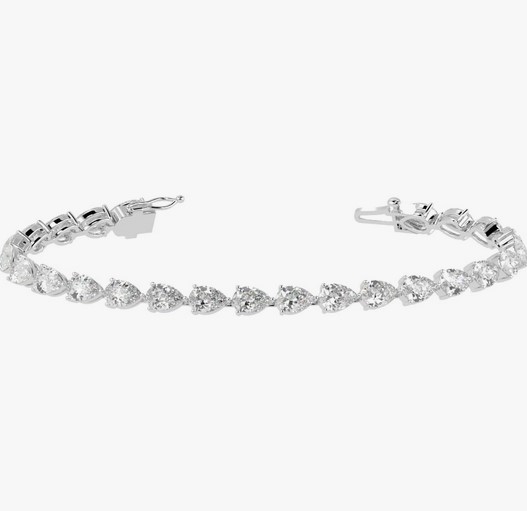
Houston Diamond District 2 to 28 Carat Lab Grown Diamond Classic Tennis Bracelet, 4-Prong Setting for Women (E-F Color, VS2-SI1 Clarity) (Pear Shape)
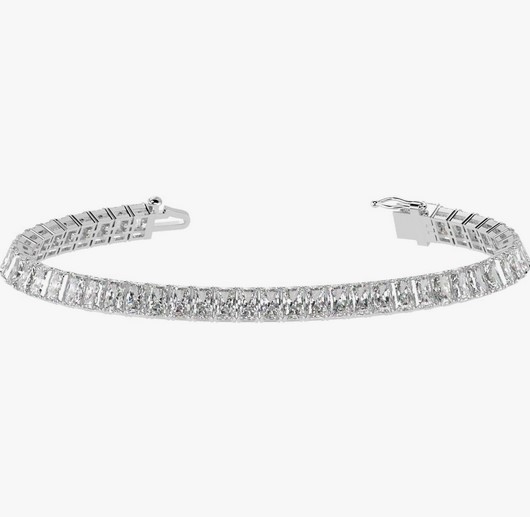
Houston Diamond District 2 to 28 Carat Lab Grown Diamond Classic Tennis Bracelet, 4-Prong Setting for Women (E-F Color, VS2-SI1 Clarity) (Radiant Shape)
Lab Grown Diamond Tennis Bracelets: Your Complete Guide to Ethical Luxury
The Modern Choice for Conscious Luxury
In today’s world, luxury and responsibility need not be mutually exclusive. Lab grown diamond tennis bracelets epitomize this evolution, offering discerning consumers the perfect synthesis of breathtaking beauty, scientific innovation, and ethical consciousness. These remarkable pieces deliver all the timeless elegance and brilliant sparkle that have made tennis bracelets iconic while addressing the environmental and social concerns that matter to modern jewelry lovers.
A lab grown diamond tennis bracelet represents more than just a beautiful accessory—it’s a statement about values, a celebration of human ingenuity, and a smart financial choice that doesn’t compromise on quality or aesthetics. Whether you’re considering your first fine jewelry purchase, searching for the perfect gift, or expanding an existing collection, understanding what makes lab grown diamond tennis bracelets exceptional helps you make confident, informed decisions that you’ll appreciate for decades to come.
What Makes Lab Grown Diamond Tennis Bracelets Special?
To truly appreciate lab grown diamond tennis bracelets, it’s essential to understand what sets them apart and why they’ve captured the attention of everyone from tech entrepreneurs to Hollywood celebrities, from environmental activists to savvy shoppers seeking maximum value.
Real Diamonds, Revolutionary Origin
The first and most crucial fact about lab grown diamond tennis bracelets: they contain genuine diamonds. Not diamond simulants like cubic zirconia or moissanite, not “diamond-like” materials, but actual diamonds with identical chemical composition (pure carbon), crystal structure (cubic), physical properties (10 on the Mohs hardness scale), and optical characteristics (refractive index of 2.417) as diamonds formed naturally over billions of years deep in the Earth’s mantle.
When you admire a lab grown diamond tennis bracelet on your wrist, you’re seeing authentic diamond brilliance—the same mesmerizing play of light, the same scintillating sparkle, the same prismatic fire that has captivated humanity for millennia. The Federal Trade Commission formally recognizes laboratory-grown diamonds as genuine diamonds, requiring the jewelry industry to cease implying otherwise through misleading terms like “real” or “natural” applied exclusively to mined stones.
Advanced Creation Technology
Lab grown diamond tennis bracelets showcase the remarkable capabilities of modern materials science. Two primary technologies create these diamonds, each mimicking the extreme conditions under which natural diamonds form but telescoping billions of years into mere weeks.
High Pressure High Temperature (HPHT) Process
HPHT technology replicates the intense heat and pressure of the Earth’s mantle, where natural diamonds crystallize 100-150 miles below the surface. Scientists place a small diamond seed in pure carbon (usually graphite) within a massive hydraulic press capable of generating over 1.5 million pounds per square inch of pressure while maintaining temperatures exceeding 2,700 degrees Fahrenheit. Under these extreme conditions, carbon dissolves and begins crystallizing around the seed, atom by atom, growing into larger diamonds over several weeks.
Many lab grown diamond tennis bracelets feature HPHT diamonds, which excel in color quality and often achieve exceptional clarity grades. The controlled environment allows precise manipulation of growth conditions, producing diamonds with characteristics that meet exact specifications—an advantage difficult to achieve with the geological lottery of natural diamond formation.
Chemical Vapor Deposition (CVD) Process
CVD represents newer, increasingly popular technology for creating diamonds in lab grown diamond tennis bracelets. This method places thin diamond seed wafers in a vacuum chamber filled with carbon-rich gases, typically methane and hydrogen. When heated to approximately 1,500°F and ionized using microwaves or lasers, the gases break apart, allowing pure carbon atoms to settle onto the seeds layer by microscopic layer, gradually building diamond crystals.
CVD diamonds often display remarkable purity and allow exceptional control over diamond characteristics. This precision makes CVD particularly valuable for creating the perfectly matched diamonds essential in high-quality lab grown diamond tennis bracelets, where consistency in size, color, and clarity creates visual harmony.
Indistinguishable Beauty
Here’s a compelling truth about lab grown diamond tennis bracelets: when worn, they look absolutely identical to natural diamond bracelets. Expert gemologists cannot distinguish them through visual examination alone—specialized laboratory equipment detecting minute trace elements or growth patterns is required for identification. This means your lab grown diamond tennis bracelet delivers exactly the same aesthetic impact, emotional resonance, and luxury experience as any traditional tennis bracelet, at any price point.
The Ethical Advantages of Lab Grown Diamond Tennis Bracelets
Beyond their undeniable beauty, lab grown diamond tennis bracelets offer compelling ethical benefits that resonate deeply with socially conscious consumers.
Guaranteed Conflict-Free Origins
The diamond industry’s struggle with “blood diamonds” or “conflict diamonds”—gems sold to finance armed conflict, terrorism, or human rights abuses—has troubled conscientious consumers for decades. While certification programs like the Kimberley Process have improved oversight, systemic weaknesses, enforcement gaps, and documented smuggling continue raising concerns about supply chain integrity in natural diamonds.
Lab grown diamond tennis bracelets eliminate these anxieties entirely. Every single diamond’s origin is known with absolute certainty: it was created in a controlled laboratory under regulated conditions with documented labor practices. There’s zero possibility that your lab grown diamond tennis bracelet funded violence, supported authoritarian regimes, or involved exploitative child labor. This complete transparency provides peace of mind that extends far beyond the bracelet’s sparkle, allowing you to wear your jewelry with uncompromised pride and clear conscience.
No Human Exploitation
Traditional diamond mining sometimes occurs in regions with questionable labor practices, inadequate worker protections, or even documented human rights violations. Artisanal mining operations, while providing livelihoods in developing nations, often involve dangerous working conditions, child labor, and minimal compensation. Even well-regulated mines involve hazardous work in challenging environments.
The creation of lab grown diamond tennis bracelets occurs in modern facilities with regulated employment practices, safety standards, and fair compensation. Workers operate sophisticated equipment in controlled environments rather than extracting minerals from deep underground or riverbed operations. This shift represents genuine progress in ensuring that luxury consumption doesn’t come at the expense of human welfare.
Environmental Responsibility
Perhaps the most quantifiable ethical advantage of lab grown diamond tennis bracelets involves their dramatically reduced environmental footprint. Diamond mining ranks among the most environmentally intensive extraction industries, requiring massive earth movement, substantial water consumption, habitat destruction, and significant carbon emissions.
Consider the numbers: producing one carat of mined diamond requires moving approximately 250 tons of earth, consuming around 127 gallons of water, and generating roughly 160 pounds of greenhouse gases from heavy equipment operation and transportation. Open-pit mines create enormous scars on landscapes, disrupt watersheds, displace wildlife, and leave behind massive tailings piles requiring long-term management.
Laboratory creation of diamonds for lab grown diamond tennis bracelets reduces environmental impact dramatically: approximately 95% less carbon emissions, 99% less water usage, and zero land disruption or habitat destruction. While diamond growth does consume energy, many producers now utilize renewable sources, and even conventional electricity generation produces far less environmental damage than mining operations. As renewable energy adoption accelerates, the environmental advantages of lab grown diamond tennis bracelets will only increase.
Transparency and Traceability
Lab grown diamond tennis bracelets offer complete supply chain transparency that’s difficult or impossible to achieve with natural diamonds. You can know exactly where and how your diamonds were created, under what conditions, using which technologies, and with what environmental practices. This traceability satisfies the growing consumer demand for ethical consumption and responsible luxury—knowing not just what you’re buying, but the full story behind it.
Exceptional Value: Understanding the Price Advantage
One of the most immediately apparent benefits of lab grown diamond tennis bracelets is their remarkable value proposition, offering superior beauty and quality for significantly less investment than natural diamond alternatives.
The 30-50% Price Difference Explained
Lab grown diamond tennis bracelets typically cost 30-50% less than natural diamond bracelets with equivalent specifications across all quality metrics—cut grade, color grade, clarity grade, and carat weight. This substantial price difference often surprises consumers who assume such savings must indicate inferior quality. The reality is far different: the price gap reflects production economics, not quality differences.
Natural diamond prices incorporate costs for: exploration and geological surveying, mining infrastructure development, heavy equipment operation, labor for extraction and processing, transportation from remote locations, multiple intermediaries in the supply chain, and built-in rarity premiums for particularly desirable characteristics. Additionally, major diamond mining companies maintain price controls to preserve value perception—a factor unrelated to actual production costs.
Laboratory diamond creation for lab grown diamond tennis bracelets eliminates most of these costs. Production occurs in controlled facilities, often near population centers. No geological exploration is needed. Equipment costs are lower. Supply chains are shorter. And because production can theoretically expand to meet demand, artificial scarcity premiums don’t apply. These efficiency gains translate directly into consumer savings without compromising diamond quality.
Maximizing Your Budget
The price advantage of lab grown diamond tennis bracelets creates exciting opportunities to maximize your jewelry budget. The same investment that would purchase a modest natural diamond bracelet can acquire a spectacular lab grown diamond tennis bracelet with superior specifications. Consider these options:
Option 1: Larger Size – Instead of a 3-carat total weight natural diamond bracelet, choose a 6-carat lab grown diamond tennis bracelet for the same price, doubling the diamond presence and sparkle on your wrist.
Option 2: Better Quality – Rather than settling for I-J color and SI2 clarity in natural diamonds, select D-E color and VVS clarity lab grown diamonds for similar cost, ensuring exceptional brilliance and premium quality.
Option 3: Longer Length – Extend from a standard 7-inch bracelet to an 8-inch design with additional diamonds for fuller coverage and more dramatic visual impact.
Option 4: Premium Settings – Invest in platinum rather than white gold, or choose more elaborate setting styles with enhanced security features and superior craftsmanship.
Option 5: Multiple Pieces – Purchase matching lab grown diamond tennis bracelets for stacking, or coordinate with lab-grown diamond earrings and pendants to create a complete jewelry suite within your budget.
Long-Term Financial Perspective
While resale value often enters diamond purchase discussions, realistic expectations are important. ALL fine jewelry—including natural diamond pieces—experiences significant depreciation from retail pricing. Pre-owned diamond jewelry typically resells for 20-60% of original retail cost, representing substantial loss regardless of whether diamonds are natural or laboratory-grown.
Lab grown diamond tennis bracelets currently have lower resale values than natural diamond alternatives, but this must be considered in context. Would you prefer spending $15,000 on a natural diamond bracelet that might resell for $6,000, or spending $7,500 on an identical-appearing lab grown diamond tennis bracelet that might resell for $2,500? Both scenarios involve accepting depreciation, but lab grown diamonds provide more initial value—more beauty, larger size, better quality for your investment—which many find more appealing than abstract future resale considerations.
Moreover, most people purchase jewelry primarily for personal enjoyment rather than investment purposes. By this measure, lab grown diamond tennis bracelets deliver exceptional value: maximum beauty, quality, and wearable satisfaction for your money, combined with ethical peace of mind.
Quality Assessment: Evaluating Lab Grown Diamond Tennis Bracelets
Understanding diamond quality factors helps you select lab grown diamond tennis bracelets that meet your aesthetic preferences and value expectations.
The Four Cs Framework
Lab grown diamond tennis bracelets should be evaluated using the same internationally recognized four Cs applied to natural diamonds: Cut, Color, Clarity, and Carat Weight. Laboratory origin doesn’t change these fundamental quality determinants.
Cut: Unlocking Light Performance
Cut represents the most critical factor influencing how beautiful your lab grown diamond tennis bracelet appears when worn. Cut grade reflects how skillfully a diamond has been shaped and faceted to interact with light, creating brilliance (white light return), fire (colored light dispersion), and scintillation (sparkle patterns).
For lab grown diamond tennis bracelets, round brilliant cuts dominate due to their superior light performance—58 precisely angled facets working in concert to maximize sparkle. Look for cut grades of “Excellent” or “Ideal” from certification laboratories, ensuring optimal optical performance. These premium cut grades matter tremendously; even diamonds with exceptional color and clarity will appear dull and lifeless if poorly cut, while well-cut diamonds of modest color/clarity grades can outsparkle higher-graded stones with inferior cuts.
Alternative shapes also appear in contemporary lab grown diamond tennis bracelets: princess cuts offer modern geometric appeal, emerald cuts provide elegant sophistication with their step-cut facets and hall-of-mirrors effect, cushion cuts deliver vintage-inspired charm, and oval cuts create elongated brilliance. Because laboratory diamonds cost less than natural equivalents, you can explore fancy shapes that command premium pricing in natural diamonds without budget strain.
Color: The Spectrum from Colorless to Tinted
Diamond color grading uses an alphabetical scale from D (completely colorless, most valuable) through Z (light yellow or brown tint). For lab grown diamond tennis bracelets, grades D through H generally provide the best balance of visual appeal and value.
D-F grades are classified as “colorless”—absolutely no detectable tint even to trained eyes under controlled lighting. G-H grades are “near-colorless,” displaying no color when viewed face-up in typical viewing conditions, though side-by-side comparison with colorless diamonds might reveal subtle warmth. I-J grades show slight warmth that most people won’t notice in jewelry settings but offer additional savings for budget-conscious shoppers.
Here’s where lab grown diamond tennis bracelets shine particularly bright: achieving premium color grades costs significantly less in laboratory stones. While natural D-color diamonds command substantial premiums due to rarity, lab grown diamond tennis bracelets can feature D-F colorless diamonds at prices approaching what you’d pay for G-H grades in natural stones. This allows you to enjoy the prestige and beauty of top-tier color without financial strain.
For tennis bracelets specifically, consistent color matching across all diamonds is crucial for visual harmony. Laboratory creation’s controlled conditions make perfect color matching easier to achieve, ensuring your lab grown diamond tennis bracelet displays uniform appearance without distracting color variations between stones.
Clarity: Evaluating Internal Characteristics
Clarity grades reflect the presence or absence of inclusions (internal characteristics) and blemishes (surface imperfections). The GIA clarity scale ranges from Flawless (no inclusions or blemishes visible under 10x magnification) through Included categories (inclusions visible to unaided eyes).
For lab grown diamond tennis bracelets, VS2 through SI1 clarity grades offer outstanding value. These grades feature minor inclusions that are difficult to see under 10x magnification and typically invisible to unaided eyes—what gemologists call “eye-clean.” The smaller diamonds common in tennis bracelets (usually 0.10-0.35 carats per stone) make inclusions even less noticeable, meaning you can comfortably select SI1 clarity without compromising visual beauty.
Interestingly, laboratory creation often produces diamonds with superior clarity compared to natural diamonds at similar price points. Controlled growth environments prevent many types of inclusions that occur during natural formation over billions of years. This means lab grown diamond tennis bracelets frequently feature better clarity than comparable natural diamond pieces, delivering cleaner, more brilliant diamonds for your investment.
If budget permits and perfection appeals to you, laboratory diamonds make VVS and even Flawless clarity grades financially accessible in ways natural diamonds rarely do. A Flawless lab grown diamond tennis bracelet—something that would cost a small fortune in natural diamonds—becomes attainable for many consumers through laboratory creation.
Carat Weight: Measuring Diamond Mass
Carat weight measures diamond mass, with one carat equaling 200 milligrams or 0.2 grams. For lab grown diamond tennis bracelets, total carat weight (TCW)—the combined weight of all diamonds—is the relevant specification rather than individual stone weights.
Tennis bracelets typically contain 2-20+ carats total weight, depending on length (standard 7 inches to longer 8+ inches), number of diamonds (anywhere from 30 to 100+ stones), and individual diamond sizes (ranging from 0.08 to 0.50+ carats each). The visual presence of a lab grown diamond tennis bracelet correlates strongly with total carat weight—higher TCW generally means more impressive wrist coverage and sparkle.
Laboratory diamonds’ price advantage becomes especially pronounced at larger total carat weights. A 10-carat TCW natural diamond tennis bracelet might cost $30,000-$50,000+, while an equivalent lab grown diamond tennis bracelet could be available for $15,000-$25,000. This dramatic difference opens opportunities for truly spectacular pieces that would be financially unrealistic in natural diamonds for most buyers.
Consistency and Matching
Beyond individual diamond quality, lab grown diamond tennis bracelets should display excellent consistency across all stones. Each diamond should exhibit similar size (uniform appearance), matched color (no noticeable variations), comparable clarity (consistent brilliance), and identical cut quality (even sparkle patterns). Superior lab grown diamond tennis bracelets achieve this consistency through careful selection and matching, creating cohesive visual harmony as you move your wrist.
Design Variations in Lab Grown Diamond Tennis Bracelets
Lab grown diamond tennis bracelets come in diverse styles to suit different aesthetic preferences, occasions, and wearing habits.
Classic Single-Row Design
The traditional lab grown diamond tennis bracelet features a single continuous row of uniformly sized diamonds, typically round brilliants set in four-prong settings. This timeless design maximizes diamond exposure for optimal light performance while maintaining elegant simplicity that complements any wardrobe. Classic single-row lab grown diamond tennis bracelets suit both formal occasions and daily wear, offering remarkable versatility.
Multi-Row Statement Pieces
For those desiring additional presence and drama, multi-row lab grown diamond tennis bracelets feature two, three, or even more parallel rows of diamonds. These bolder designs create substantial visual impact, making them ideal for special occasions when you want your jewelry to command attention. The price advantage of lab grown diamonds makes multi-row styles more financially accessible than natural diamond equivalents.
Graduated Designs
Graduated lab grown diamond tennis bracelets start with smaller diamonds near the clasp and progressively increase in size toward the top of the wrist, creating dynamic visual interest and drawing the eye. This design variation adds sophistication while often proving more budget-friendly than uniform-size bracelets of similar total carat weight, as you’re using smaller (less expensive) stones where they’re less visible.
Mixed Shape Bracelets
Contemporary lab grown diamond tennis bracelets sometimes combine different diamond shapes for unique aesthetic appeal. Popular combinations include alternating round and baguette cuts, or mixing round brilliants with princess cuts. These creative variations allow personal expression while the cost efficiency of lab grown diamonds makes experimentation more affordable.
Fancy Colored Diamond Options
One of the most exciting frontiers for lab grown diamond tennis bracelets involves fancy colored diamonds—vivid yellows, pinks, blues, greens, and other hues that are astronomically expensive in natural diamonds. Laboratory creation can produce these colors reliably and affordably, opening possibilities for colored diamond tennis bracelets or designs featuring alternating white and colored diamonds. A lab grown diamond tennis bracelet with vivid yellow diamonds might cost $8,000-$15,000, while an equivalent natural fancy yellow diamond bracelet could exceed $100,000.
Halo and Cluster Designs
Some lab grown diamond tennis bracelets feature halo settings, where each primary diamond is surrounded by smaller accent diamonds, creating greater visual size and additional sparkle. Cluster designs group small diamonds to create the appearance of larger stones. These elaborate styles benefit particularly from lab grown diamonds’ cost efficiency, as the numerous smaller diamonds required would be prohibitively expensive in natural stones.
Metal Options for Lab Grown Diamond Tennis Bracelets
The metal setting significantly influences your lab grown diamond tennis bracelet’s appearance, durability, and maintenance requirements.
Platinum: The Ultimate Luxury
Platinum represents the pinnacle of precious metal settings for lab grown diamond tennis bracelets. This rare metal (30 times rarer than gold) offers numerous advantages: naturally white color requiring no plating, exceptional durability and density, hypoallergenic properties ideal for sensitive skin, and prestigious association with luxury. Platinum lab grown diamond tennis bracelets develop a subtle patina over time that many find appealing, though periodic polishing can restore bright finish. The primary drawback is cost—platinum settings typically run 40-60% more than comparable gold options.
18K White Gold: Premium Polish
18K white gold (75% pure gold alloyed with white metals like palladium or nickel) provides excellent quality for lab grown diamond tennis bracelets at more accessible pricing than platinum. The 18K composition offers rich gold content while maintaining good durability. White gold is plated with rhodium for bright white finish, though this plating wears over time (1-2 years typically) and requires periodic renewal to maintain optimal appearance. Many consider 18K white gold the sweet spot balancing quality, appearance, and value.
14K White Gold: Popular Balance
14K white gold (58.3% pure gold) represents the most popular choice for lab grown diamond tennis bracelets in the United States. Lower gold content translates to greater hardness and durability, making 14K ideal for jewelry experiencing regular wear. The cost advantage versus 18K gold allows budget allocation toward larger or higher-quality diamonds. Like 18K white gold, rhodium plating provides bright white finish requiring occasional renewal.
Yellow Gold: Timeless Tradition
Yellow gold (14K or 18K) offers warm, traditional elegance for lab grown diamond tennis bracelets. The classic golden hue complements most skin tones beautifully and requires no plating—the color is inherent and permanent. Yellow gold suits those preferring vintage-inspired aesthetics or seeking metal that won’t require periodic re-plating maintenance. The warm color can make near-colorless diamonds (H-I-J grades) appear slightly warmer, so many prefer pairing yellow gold with colorless (D-F) lab grown diamonds.
Rose Gold: Modern Romance
Rose gold (created by alloying yellow gold with copper) has surged in popularity for its distinctive peachy-pink hue that many find uniquely beautiful. Rose gold lab grown diamond tennis bracelets offer romantic, contemporary appeal that stands out from traditional white metal options. The copper content actually increases metal hardness, providing excellent durability for daily wear. Rose gold pairs beautifully with all diamond colors and suits most skin tones, though it’s particularly flattering on warmer complexions.
Mixed Metal Designs
Some lab grown diamond tennis bracelets creatively combine multiple metal colors—perhaps white gold links alternating with rose gold sections, or yellow gold accents on primarily platinum pieces. These mixed-metal designs allow personal expression and create distinctive looks that stand apart from conventional single-metal bracelets.
Setting Styles and Construction Quality
The setting style and construction quality profoundly affect your lab grown diamond tennis bracelet’s security, durability, and appearance.
Prong Settings: Maximizing Brilliance
Prong settings—small metal claws holding each diamond—are most common in lab grown diamond tennis bracelets. Four-prong settings offer excellent balance between security and light exposure, allowing maximum brilliance while holding stones firmly. Three-prong settings create more delicate appearance but sacrifice some security. Six-prong settings maximize security but can make diamonds appear smaller by obscuring more of their perimeter. Quality prong settings should feature substantial metal thickness, smooth finishing to prevent snagging, and complete coverage of diamond girdles (edges) to prevent chipping.
Bezel Settings: Maximum Security
Bezel settings surround each diamond with a thin metal rim, offering superior security ideal for active lifestyles. Bezel-set lab grown diamond tennis bracelets resist snagging, protect diamonds from impact, and require less frequent maintenance than prong settings. The trade-off is reduced light entry, slightly diminishing sparkle compared to prong settings. Bezel settings create sleek, contemporary aesthetics that many find appealing for their modern sophistication.
Channel Settings: Seamless Elegance
Channel settings suspend diamonds between two parallel metal walls without visible prongs, creating smooth, seamless appearance. This setting style works particularly well with princess-cut or baguette diamonds in lab grown diamond tennis bracelets, offering excellent security and sophisticated looks. Channel settings provide good protection for active wear while maintaining substantial sparkle.
Construction Quality Indicators
Superior lab grown diamond tennis bracelets exhibit several construction quality indicators: substantial metal weight (lightweight settings compromise durability), reinforced links at stress points (typically where bracelet curves around wrist), smooth link articulation (bracelet should flex naturally without binding), clean soldering with no rough edges or gaps, consistent finishing quality throughout, and professional-grade clasps with precise mechanisms.
Clasp Types and Safety Features
The clasp represents a critical security point in lab grown diamond tennis bracelets. Box clasps with safety latches offer traditional security and ease of use. Hidden push-button clasps provide sleek, seamless aesthetics with good security. Lobster clasps are easy to operate but can appear less refined. Premium lab grown diamond tennis bracelets should include safety chains—secondary attachments that prevent complete loss if the primary clasp fails. Figure-eight safety chains are most common and effective.
Sizing and Fit for Lab Grown Diamond Tennis Bracelets
Proper sizing ensures your lab grown diamond tennis bracelet wears comfortably while displaying beautifully and remaining secure.
Measuring Your Wrist
Accurate wrist measurement is essential for lab grown diamond tennis bracelets. Use a flexible measuring tape around the narrowest part of your wrist (typically just below the wrist bone where the hand meets the arm). Pull the tape snug but not tight—you should be able to slide one finger underneath. Note the measurement in inches for U.S. sizing. If you don’t have a measuring tape, wrap a string around your wrist, mark where it overlaps, then measure the string length against a ruler.
Determining Proper Length
For lab grown diamond tennis bracelets, add 0.5 to 1 inch to your wrist measurement to determine ideal bracelet length. This allowance ensures comfortable movement and natural drape while preventing excessive looseness that could cause the bracelet to slip over your hand or hang too low on your arm. Most women wear 7-inch bracelets (fitting wrists of 6-6.5 inches), though standard offerings range from 6.5 to 8 inches. Those preferring snug fit choose 0.5-inch allowance; those wanting looser, more mobile wear select full 1-inch allowance.
Fit Considerations for Different Styles
Single-row lab grown diamond tennis bracelets typically wear best with 0.5-0.75 inch allowance, maintaining elegant positioning on the wrist. Multi-row bracelets may benefit from slightly more allowance (0.75-1 inch) to accommodate their greater width and weight. Rigid bangle-style tennis bracelets require different sizing—they must be large enough to slide over the hand’s widest point but small enough not to slide around excessively.
Professional Sizing Adjustments
Many jewelers offer sizing services for lab grown diamond tennis bracelets, though adjustments can be complex. Adding length requires sourcing matching diamonds and settings—difficult if the original design is no longer in production. Removing length is generally easier but still requires professional expertise to maintain symmetry and proper clasp positioning. When possible, purchase lab grown diamond tennis bracelets in custom lengths to avoid costly adjustments.
Certification and Authentication
Proper certification ensures you receive the quality and value you’re paying for in lab grown diamond tennis bracelets.
Why Certification Matters
Reputable lab grown diamond tennis bracelets include certification from recognized gemological laboratories, providing objective third-party verification of diamond quality and laboratory-grown origin. Certificates document the specifications you’re purchasing, protect against misrepresentation, establish value for insurance purposes, and facilitate potential future sale by providing credibility.
Major Certification Laboratories
GIA (Gemological Institute of America)
GIA maintains the most stringent, consistent grading standards in the diamond industry. GIA laboratory-grown diamond reports clearly identify stones as “Laboratory-Grown Diamond” while providing comprehensive four Cs grading identical to their natural diamond reports. GIA certification adds significant credibility to lab grown diamond tennis bracelets, though it typically costs more than other laboratories.
IGI (International Gemological Institute)
IGI has become the leading certifier of laboratory-grown diamonds globally, grading more lab grown stones than any other laboratory. IGI reports explicitly identify diamonds as laboratory-grown while providing detailed quality grading. IGI certification appears frequently in lab grown diamond tennis bracelets, offering reliable verification at competitive costs. The laboratory maintains consistent standards and provides excellent documentation.
GCAL (Gem Certification & Assurance Lab)
GCAL pioneered guaranteed diamond certification, standing behind their grading accuracy with direct accountability. GCAL certificates for lab grown diamond tennis bracelets clearly identify creation method (HPHT or CVD) while providing comprehensive quality documentation. GCAL’s guarantee provides additional assurance for your investment.
AGS (American Gem Society)
AGS certification emphasizes cut quality grading, using proprietary systems that evaluate light performance with exceptional precision. While AGS certified lab grown diamond tennis bracelets are less common than GIA or IGI certified pieces, AGS certificates provide valuable cut quality information beyond standard grading scales.
Certificate Content Requirements
Comprehensive certificates for lab grown diamond tennis bracelets should include: explicit identification as “Laboratory-Grown,” “Laboratory-Created,” or “Synthetic” (gemological term for human-made), creation method (HPHT or CVD if determinable), total carat weight, number of diamonds, average or range of diamond grades (cut, color, clarity), individual stone weights if applicable, metal type and purity, bracelet length, and certification date with unique report number.
Red Flags: Avoiding Misrepresentation
Be wary of lab grown diamond tennis bracelets sold without proper certification from recognized laboratories. Avoid sellers who cannot provide certificates, offer vague “in-house” certification without independent verification, mix laboratory-grown and natural diamonds without clear disclosure, or misrepresent lab grown diamonds as natural stones. Legitimate sellers proudly provide proper certification and clearly identify diamonds as laboratory-grown.
Care, Maintenance, and Longevity
Proper care ensures your lab grown diamond tennis bracelet maintains its brilliant beauty for generations.
Daily Wear Precautions
While lab grown diamond tennis bracelets are durable, thoughtful precautions prevent unnecessary damage. Remove your bracelet before: vigorous exercise or sports, household cleaning with harsh chemicals, gardening or outdoor work, swimming in chlorinated pools or ocean water, applying lotions, perfumes, or hair products, and sleeping (to prevent bending settings against pillows or linens). These simple habits dramatically reduce wear and tear, preventing most common damage scenarios.
Regular Cleaning for Optimal Sparkle
Diamonds naturally attract oils and dirt, which accumulate on surfaces and diminish sparkle. Regular cleaning maintains the spectacular brilliance that makes lab grown diamond tennis bracelets so captivating. For safe at-home cleaning: Fill a small bowl with warm water and a few drops of mild dish soap, soak your bracelet for 20-30 minutes to loosen debris, gently scrub with a very soft toothbrush (paying particular attention to diamond undersides where oils accumulate), rinse thoroughly under warm running water (with drain plugged or over a bowl), and pat dry with a lint-free microfiber cloth.
Avoid ultrasonic cleaners for home use unless specifically recommended by your jeweler, as vibrations can loosen already-compromised settings. Skip harsh chemicals including bleach, chlorine, and abrasive cleaners that can damage metal settings. Never use paper towels or tissues for drying, as these can scratch metal or leave lint on diamonds.
Professional Maintenance Schedule
Schedule professional inspection and cleaning for your lab grown diamond tennis bracelet at least annually, or every six months for pieces worn daily. Professional jewelers examine bracelets under magnification, checking for: loose diamonds or damaged prongs, worn settings requiring re-tipping, clasp wear or mechanism problems, link damage or weak points, and general structural integrity. They perform professional cleaning using specialized ultrasonic or steam equipment, tighten loose settings before stones are lost, and make minor repairs before they become major problems.
This preventive maintenance represents small investment that protects much larger bracelet value, preventing stone loss and extending your lab grown diamond tennis bracelet’s life indefinitely. Many jewelers offer complimentary inspection and cleaning for jewelry purchased from them, making regular maintenance even more accessible.
Storage Best Practices
Proper storage prevents scratches, tangles, and damage when your lab grown diamond tennis bracelet isn’t being worn. Store separately from other jewelry in a fabric-lined box compartment or individual soft pouch—diamonds can scratch other gemstones, and metal pieces can scratch each other. Avoid storing multiple bracelets together where they might tangle. Keep away from extreme temperatures, direct sunlight for extended periods, and humidity extremes. Consider anti-tarnish strips for long-term storage of sterling silver components, though gold and platinum aren’t affected by tarnish.
Insurance Protection
Insure valuable lab grown diamond tennis bracelets through specialized jewelry insurance or scheduled personal property endorsements on homeowner’s/renter’s policies. Standard homeowner’s coverage typically provides minimal jewelry protection (often just $1,000-$2,000 total) and usually excludes mysterious disappearance—the most common jewelry loss scenario. Dedicated jewelry insurance covers full appraised value against all risks including loss, theft, damage, and mysterious disappearance for approximately 1-2% of appraised value annually. Maintain professional appraisals, certificates, and purchase documentation for insurance claims.
Styling Lab Grown Diamond Tennis Bracelets
Versatility makes lab grown diamond tennis bracelets suitable for virtually any occasion and outfit, from casual to formal.
Professional Elegance
In business settings, a single-row lab grown diamond tennis bracelet adds polished sophistication without overwhelming professional attire. The understated elegance projects success and attention to detail while remaining appropriate for conservative workplace environments. Pair with simple stud earrings and minimal additional jewelry for refined professional presence.
Casual Sophistication
Don’t reserve your lab grown diamond tennis bracelet exclusively for special occasions—diamonds elevate everyday outfits beautifully. Wear with jeans and a crisp white shirt, add sparkle to weekend dresses, or accessorize casual blazers for effortless sophistication. The joy of owning fine jewelry comes from wearing and appreciating it regularly, not storing it away.
Formal Glamour
For evening events, formal occasions, or celebrations, lab grown diamond tennis bracelets shine magnificently. Coordinate with diamond earrings and necklaces for cohesive elegance, or let a statement bracelet serve as your primary jewelry focus. Multi-row or larger-carat lab grown diamond tennis bracelets create particularly striking formal impact.
Bracelet Stacking Trends
Contemporary styling embraces bracelet stacking—combining multiple pieces for personalized, layered looks. Stack your lab grown diamond tennis bracelet with: additional tennis bracelets in complementary or contrasting metals, simple metal bangles or cuffs for textural variety, delicate chain bracelets for dimensional layering, or tennis bracelets featuring different diamond shapes for visual interest. Odd-numbered stacks (three or five pieces) often create more balanced aesthetics than even numbers.
Mixing Metals Confidently
Modern jewelry styling rejects outdated rules about matching all metals. Feel confident mixing your white gold lab grown diamond tennis bracelet with yellow gold rings or rose gold watch, creating dynamic, personalized combinations that reflect your individual style rather than rigid fashion rules.
Balancing Jewelry Ensembles
When wearing lab grown diamond tennis bracelets, consider total jewelry balance. If wearing dramatic diamond earrings and statement necklace, a delicate single-row bracelet maintains elegance without creating excessive sparkle. Conversely, if other jewelry is minimal, a bold multi-row lab grown diamond tennis bracelet can serve as your statement piece, commanding attention and anchoring the ensemble.
Gift-Giving with Lab Grown Diamond Tennis Bracelets
Lab grown diamond tennis bracelets make exceptional gifts for life’s most meaningful occasions.
Engagement and Wedding Jewelry
As bridal jewelry, lab grown diamond tennis bracelets offer brilliant beauty at budget-friendly prices, allowing couples to afford impressive wedding accessories without financial strain. Brides appreciate how tennis bracelets coordinate with engagement rings while adding wrist sparkle that photographs beautifully. Many grooms give tennis bracelets as wedding day gifts, creating treasured mementos of the celebration.
Anniversary Celebrations
Tennis bracelets make traditional anniversary gifts, particularly for milestone years. The 10th anniversary (traditional tin or aluminum, modern diamond) is perfect timing for a lab grown diamond tennis bracelet. The 25th (silver) or 60th (diamond) anniversaries also suit tennis bracelet gifts beautifully. The enduring beauty symbolizes lasting love while ethical sourcing reflects modern values.
Milestone Birthdays
Significant birthdays—especially 30th, 40th, 50th, 60th—deserve memorable recognition. Lab grown diamond tennis bracelets represent gifts of lasting value and daily-wearable beauty. The recipient will treasure and use the piece for decades, creating a meaningful legacy gift.
Mother’s Day and Push Presents
New mothers particularly appreciate lab grown diamond tennis bracelets as push presents or Mother’s Day gifts. The affordable luxury allows generous gifting while managing new-family budgets, and the timeless elegance suits the magnitude of motherhood. Many mothers value the ethical sourcing, wanting gifts aligned with values they’ll teach their children.
Graduation and Career Achievements
Lab grown diamond tennis bracelets commemorate professional accomplishments—graduations, promotions, business successes—with lasting beauty. They’re appropriate for professional environments while projecting success and sophistication. Self-gifting to celebrate your own achievements is equally meaningful and empowering.
Holiday Gifting
Major holidays provide natural occasions for gifting lab grown diamond tennis bracelets. Christmas, Valentine’s Day, and other celebration days become more memorable with gifts of lasting beauty and significance.
Shopping Guide: Where and How to Buy
Knowing where to shop and what questions to ask ensures positive purchasing experiences for lab grown diamond tennis bracelets.
Retail Options Overview
Traditional Jewelry Stores
Established brick-and-mortar jewelers offer advantages of in-person examination, immediate try-on, face-to-face consultation, and local service relationships for ongoing maintenance. You can assess how lab grown diamond tennis bracelets look on your wrist, compare multiple options side-by-side, and receive personalized guidance. However, overhead costs often result in higher pricing than online alternatives.
Online Specialty Retailers
Reputable online retailers specializing in lab grown diamonds frequently offer better pricing due to lower overhead costs. Look for companies providing detailed specifications, high-resolution photography or video, diamond certification included automatically, generous return policies (minimum 30 days), responsive customer service via multiple channels, and extensive positive reviews from independent sources. The trade-off is inability to see pieces in person before purchasing, though good return policies mitigate this limitation.
Direct-to-Consumer Brands
Some lab grown diamond companies sell directly to consumers, eliminating traditional retail markups. These brands often provide exceptional value on lab grown diamond tennis bracelets while maintaining quality standards. Research brand reputation, review customer feedback, and verify certification policies before purchasing.
Custom Jewelry Designers
For unique or personalized lab grown diamond tennis bracelets, consider custom jewelry designers who can create bespoke pieces matching your exact specifications. Custom creation typically costs more but delivers perfect personalization—ideal bracelet length, specific diamond characteristics, unique design elements, and preferred metal combinations.
Essential Questions Before Purchasing
Ask these critical questions when shopping for lab grown diamond tennis bracelets:
About the Diamonds: Are diamonds certified, and by which laboratory? What is total carat weight? What are the average or range of color, clarity, and cut grades? Are diamonds HPHT or CVD created? Are all diamonds laboratory-grown, with no natural diamond mixing?
About Construction: What metal type and purity is used? What setting style secures the diamonds? Does the bracelet include safety chain or clasp? What is the actual bracelet length? How substantial is metal weight/construction?
About Policies: What is the return/exchange policy timeframe? Is certification included automatically? What warranty coverage is provided? Are sizing adjustments available? What maintenance services are offered? Is lifetime cleaning/inspection included?
About Value: Can you provide comparable pricing for natural diamond alternatives? Are payment plans available for larger purchases? Are there additional fees (shipping, certification, sizing, taxes)?
Red Flags to Avoid
Be cautious of sellers who: refuse to provide diamond certification, offer prices dramatically below market averages without clear explanation, pressure immediate purchase with artificial urgency, have predominantly negative reviews or unresolved complaints, cannot clearly answer questions about diamond origin or specifications, or mix natural and laboratory-grown diamonds without transparent disclosure.
Price Expectations
Realistic pricing for quality lab grown diamond tennis bracelets varies widely based on specifications. Entry-level pieces (2-3 TCW, modest quality, lighter settings) typically start $1,500-$3,000. Mid-range options (4-6 TCW, good quality, substantial settings) generally cost $4,000-$8,000. Premium pieces (8+ TCW, excellent quality, luxury settings) range $10,000-$25,000+. These represent general guidelines—actual pricing depends heavily on specific characteristics.
The Future of Lab Grown Diamond Tennis Bracelets
The laboratory-grown diamond industry continues evolving rapidly, with exciting developments ahead for tennis bracelet enthusiasts.
Technological Advancement
Diamond creation technology improves continuously, producing increasingly perfect stones with better consistency and fewer detectable characteristics. Production efficiency gains may drive costs lower while quality increases, making luxury more accessible. Some experts predict production costs could decrease an additional 20-40% over coming years as technology matures and economies of scale develop.
Sustainability Leadership
Leading producers aggressively pursue carbon-neutral or carbon-negative production through renewable energy adoption, carbon offset programs, and efficiency improvements. Some companies now offer climate-neutral lab grown diamond tennis bracelets with net-zero environmental impact. As renewable energy becomes more prevalent, the environmental advantages of laboratory diamonds over mined alternatives will only increase.
Fancy Color Innovation
Laboratory creation enables affordable production of fancy colored diamonds—vivid yellows, pinks, blues, greens—that command astronomical prices in natural stones. Expect increasingly diverse colored diamond options in lab grown diamond tennis bracelets, including gradient effects, alternating colors, and custom hue specifications impossible or prohibitively expensive in natural diamonds.
Market Mainstream Acceptance
Consumer acceptance grows steadily as education improves and misconceptions diminish. Major retailers prominently feature lab grown options, celebrities openly wear laboratory diamonds, and younger consumers particularly embrace them. This growing mainstream acceptance suggests laboratory diamonds may dominate the market within decades, relegating natural diamonds to specialized collector status.
Design Innovation
The affordability of lab grown diamonds encourages creative experimentation in bracelet design. Jewelers take risks with innovative styles—asymmetric layouts, architectural settings, convertible pieces, smart jewelry integration—knowing laboratory diamond pricing makes bold designs financially accessible. Expect exciting new interpretations of classic tennis bracelet formats as designers push boundaries.
Frequently Asked Questions
Are lab grown diamond tennis bracelets as durable as natural diamond bracelets?
Yes, absolutely identical durability. Lab grown diamonds possess the same hardness (10 on the Mohs scale), chemical composition, and physical properties as natural diamonds. Your lab grown diamond tennis bracelet will last forever with proper care, exactly like natural diamond jewelry.
Can people tell my bracelet has laboratory-grown diamonds?
No. Lab grown diamond tennis bracelets appear visually identical to natural diamond bracelets. Even professional gemologists cannot distinguish them without specialized laboratory equipment analyzing trace elements or growth patterns. Your bracelet looks exactly like a natural diamond piece to everyone who sees it.
Will my lab grown diamond tennis bracelet turn yellow or cloudy over time?
No. High-quality laboratory diamonds are chemically pure carbon with no elements causing discoloration or cloudiness. The diamonds remain permanently colorless (assuming you purchased colorless grades). Any perceived dulling comes from surface dirt accumulation, easily remedied with regular cleaning. Metal settings may develop patina or require re-plating, but diamonds themselves don’t change.
Can I insure my lab grown diamond tennis bracelet?
Yes. Insurance companies insure lab grown diamond tennis bracelets identically to natural diamond jewelry. You’ll need professional appraisal documenting replacement value. Premiums typically run 1-2% of appraised value annually. Some insurers offer slightly lower premiums for laboratory diamonds due to lower replacement costs.
What if I need repairs or resizing?
Any competent jeweler can repair or resize lab grown diamond tennis bracelets using standard techniques applicable to all diamond jewelry. No special training, equipment, or procedures are needed. Local jewelers handle prong tightening, clasp replacement, length adjustment, and other repairs normally.
How do I verify I’m getting genuine laboratory-grown diamonds?
Purchase only lab grown diamond tennis bracelets with certification from recognized laboratories (GIA, IGI, GCAL) explicitly identifying diamonds as laboratory-grown. Certificates should document creation method, quality grades, and total carat weight. Avoid sellers unable or unwilling to provide proper certification.
Are laboratory-grown diamonds environmentally friendly?
Yes, significantly more environmentally friendly than mined diamonds. Laboratory creation produces approximately 95% less carbon emissions, uses 99% less water, and causes zero land disruption or habitat destruction. While diamond growth does consume energy, even conventional electricity generation creates dramatically less environmental impact than mining operations.
Can I wear my lab grown diamond tennis bracelet every day?
Absolutely. Lab grown diamond tennis bracelets suit daily wear with reasonable precautions—remove for vigorous activities, avoid harsh chemical exposure, and clean regularly. With proper care, your bracelet will maintain beauty through years of daily wear. Many owners enjoy wearing their bracelets constantly, appreciating daily luxury.
Do lab grown diamond tennis bracelets have resale value?
Lab grown diamond tennis bracelets have lower resale values than natural diamond equivalents, but all jewelry experiences significant depreciation from retail pricing. Consider that even natural diamond jewelry typically resells for 20-60% of original cost. The key question isn’t future resale but present value—are you receiving excellent quality and beauty for your investment now? For lab grown diamonds, the answer is emphatically yes.
How often should I have my bracelet professionally inspected?
Schedule professional inspection at least annually, or every six months for bracelets worn daily. Jewelers examine settings under magnification, checking for loose stones, worn prongs, clasp problems, and general wear. This preventive maintenance prevents stone loss and extends bracelet life indefinitely.
Conclusion: Make the Intelligent Choice
Lab grown diamond tennis bracelets represent the intelligent intersection of beauty, value, and ethics in modern luxury jewelry. They deliver every aspect of magnificence that makes diamond jewelry precious—brilliant sparkle, enduring durability, emotional significance, timeless elegance—while addressing environmental and ethical concerns through sustainable, transparent production.
When you choose a lab grown diamond tennis bracelet, you’re not compromising or settling for less. You’re making a forward-thinking decision that maximizes beauty for your investment, minimizes environmental impact, ensures complete ethical transparency, and aligns luxury consumption with contemporary values. The atomically identical nature of laboratory-grown diamonds means your bracelet sparkles exactly as brilliantly, lasts exactly as long, and appears exactly as beautiful as any natural diamond piece at any price point.
The exceptional value proposition empowers you to own the lab grown diamond tennis bracelet you truly desire—larger total carat weight, better quality grades, preferred metal settings, ideal design style—rather than compromising due to budget constraints. This ability to maximize beauty within financial parameters represents genuine democratization of luxury, making spectacular jewelry accessible to more people while maintaining uncompromised quality and craftsmanship.
As you explore options for your perfect lab grown diamond tennis bracelet, remember that this purchase represents investment in daily joy, confidence, and beauty that will serve you for decades—perhaps generations. Take time to understand quality factors, compare options, ask questions, and select a piece reflecting your personal aesthetic and values. Whether you choose delicate single-row elegance, bold multi-row drama, or anything between, your laboratory-grown diamond tennis bracelet will bring sparkle and satisfaction to countless moments ahead.
The future of fine jewelry has arrived, and it sparkles with scientific precision, ethical clarity, and accessible luxury. Welcome to the world of lab grown diamond tennis bracelets—where innovation meets tradition, sustainability meets glamour, and intelligent consumers receive exceptional value without compromising beauty, quality, or conscience. Your perfect bracelet awaits, ready to adorn your wrist with brilliant, responsible luxury that will truly last forever.
What’s the quality of lab grown diamonds compared to natural diamonds?
Lab grown diamonds often exhibit equal or superior quality to natural diamonds at similar price points. Because laboratory conditions are controlled, producers can achieve consistently high grades with fewer inclusions. Our lab grown diamond tennis bracelets feature E-F color (colorless) and VS2-SI1 clarity (very slightly included to slightly included)—excellent grades that would cost significantly more in natural diamonds. Many customers report appraisals showing even better quality than advertised.
How long do lab grown diamond tennis bracelets last?
Lab grown diamond tennis bracelets last forever with proper care—the diamonds themselves are permanent and indestructible under normal conditions. The metal setting (14K/18K gold or platinum) is highly durable and can last generations with appropriate maintenance. Many of our bracelets become family heirlooms passed down through multiple generations. With annual professional inspection and basic care, there’s no limit to how long your bracelet will maintain its beauty.
Can I get my lab grown diamond tennis bracelet appraised?
Yes, absolutely! We recommend getting a professional appraisal from a certified independent gemologist for insurance purposes. Lab grown diamonds are appraised using the same standards as natural diamonds. Many customers report their lab grown bracelet appraisals coming in at significantly higher values than their purchase price, often 1.5-3x higher. The appraisal provides documentation for insurance and verifies diamond quality.
Are lab grown diamonds GIA certified?
Yes, GIA (Gemological Institute of America) certifies lab grown diamonds and clearly identifies them as “Laboratory-Grown Diamond” on reports. GIA grades lab grown diamonds using the same four Cs criteria as natural diamonds. We also work with IGI (International Gemological Institute), which has become a leading certifier of lab grown diamonds. All our bracelets include certification from recognized laboratories documenting diamond quality and origin.
What’s the difference between lab grown and lab created diamonds?
There’s no difference—”lab grown,” “lab created,” “laboratory-grown,” and “laboratory-created” are all terms for the same thing: genuine diamonds produced in controlled laboratory environments rather than mined from the earth. These terms are used interchangeably. All refer to real diamonds with identical properties to natural diamonds. Avoid confusion with “simulated diamonds” (like cubic zirconia), which are NOT real diamonds but diamond imitations.
Can I wear my lab grown diamond tennis bracelet in water?
While the lab grown diamonds and metal won’t be damaged by water, we recommend removing your bracelet before swimming. Chlorine in pools can damage metal settings over time, causing discoloration or weakening prongs. Saltwater can also be corrosive. Additionally, cool water can cause your hands to shrink slightly, potentially allowing the bracelet to slip off. Save your bracelet for after swimming to protect your investment.
How much should I expect to pay for a quality lab grown diamond tennis bracelet?
Quality lab grown diamond tennis bracelets typically range from $1,500-$10,000 depending on total carat weight, diamond quality, and metal choice. A popular 4-5 carat tennis bracelet in 14K white gold with E-F color, VS2-SI1 clarity typically costs $3,000-$5,000. The equivalent natural diamond bracelet would cost $6,000-$10,000. Larger carat weights (7-10 carats) range from $5,000-$8,000 in lab grown versus $12,000-$20,000+ in natural diamonds.
Do lab grown diamonds sparkle as much as natural diamonds?
Yes! Lab grown diamonds have identical optical properties to natural diamonds, including the same refractive index that creates sparkle (brilliance) and fire (color flashes). The sparkle depends on diamond cut quality, not origin. A well-cut lab grown diamond sparkles exactly as brilliantly as a well-cut natural diamond of the same specifications. When properly cut, lab grown diamonds exhibit the same mesmerizing light performance that makes diamonds captivating.
Are lab grown diamond tennis bracelets hypoallergenic?
The lab grown diamonds themselves are hypoallergenic (pure carbon). However, the metal setting determines overall hypoallergenic properties. Platinum is naturally hypoallergenic and ideal for sensitive skin. Gold (14K/18K) can occasionally cause reactions in people with nickel sensitivities if nickel is used in the alloy (more common in white gold). We can provide platinum or nickel-free gold options for those with metal sensitivities. The rhodium plating on white gold also provides a hypoallergenic layer.
What makes your lab grown diamond tennis bracelets special?
Our lab grown diamond tennis bracelets combine exceptional quality with outstanding value. We use only E-F color (colorless) and VS2-SI1 clarity diamonds—premium grades that ensure brilliant sparkle and eye-clean appearance. Every bracelet features secure settings, reinforced links, and safety clasps with backup mechanisms. We provide full certification, lifetime warranty, free resizing, and 30-day returns. Most importantly, we offer these premium specifications at 40-50% below natural diamond pricing, making luxury accessible.
Customer Reviews
Was a little nervous about buying something like this online, but this tennis bracelet is EXACTLY what I wanted. Received it in one day! Ordered the 5 CTW bracelet and it is absolutely gorgeous. The fire and ice are amazing. The clasp is very well made and feels very secure. I highly recommend this company and will absolutely buy more diamond jewelry from them. Told my hubby I can’t wait for next Christmas!
I originally got a 2ct from another company and returned it due to deceptive photos and bad clasp. Got this one at 4ct and the bracelet is everything I was looking for. Secure clasp with additional safety lock, stunning appearance, absolutely nothing to complain about. Compared to 6 jewelers and the price here is unbeatable. So happy with this purchase!
When I opened this bracelet’s velvet box I was astonished at its beauty and sparkle! This classic tennis bracelet is absolutely gorgeous. The E-F color and VS2-SI1 clarity diamonds exceeded my expectations, as did the weight and overall appearance. I would rate it 6 stars if I could. The diamonds are large enough to see clearly and very closely spaced—exactly the look I wanted.