100% Real Diamonds
Lab grown diamonds are chemically, physically, and optically identical to natural diamonds
Eco-Friendly & Ethical
95% less carbon emissions, zero mining, completely conflict-free
Superior Value
Get larger, higher-quality diamonds for your budget with 40-50% savings
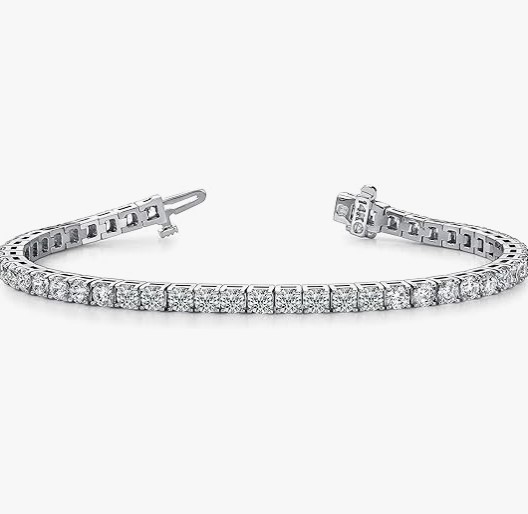
Houston Diamond District 2 to 28 Carat Lab Grown Diamond Classic Tennis Bracelet, 4-Prong Setting for Women (E-F Color, VS2-SI1 Clarity) (Round Shape)
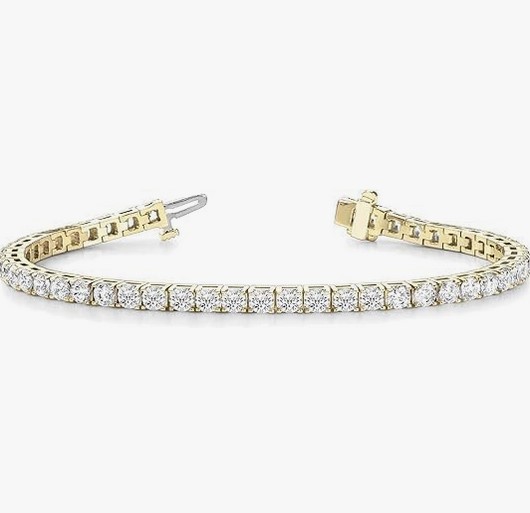
Houston Diamond District 3 to 50 Carat Classic LAB GROWN Diamond Tennis Bracelet 4 Prong Ultra Premium Collection (E-F Color, VS2-SI1 Clarity)
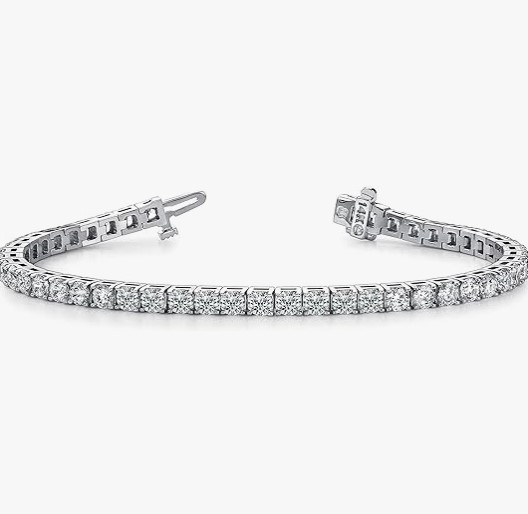
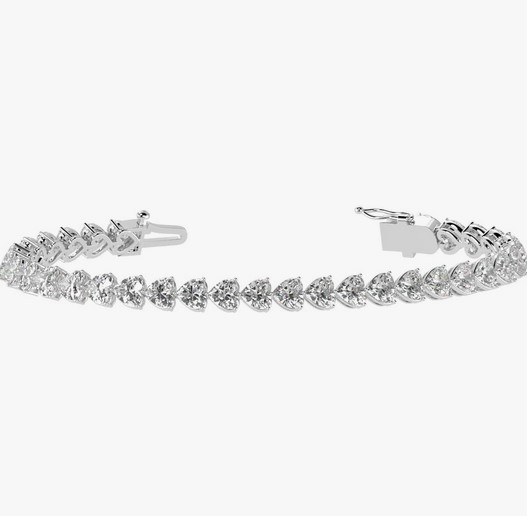
Houston Diamond District 2 to 28 Carat Lab Grown Diamond Classic Tennis Bracelet, 4-Prong Setting for Women (E-F Color, VS2-SI1 Clarity) (Heart Shape)
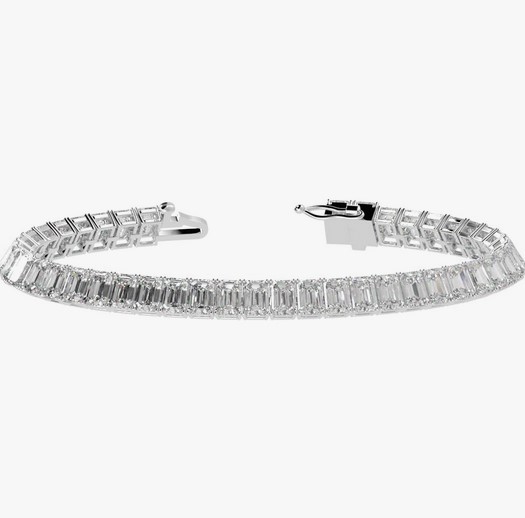
Houston Diamond District 2 to 28 Carat Lab Grown Diamond Classic Tennis Bracelet, 4-Prong Setting for Women (E-F Color, VS2-SI1 Clarity) (Emerald Shape)
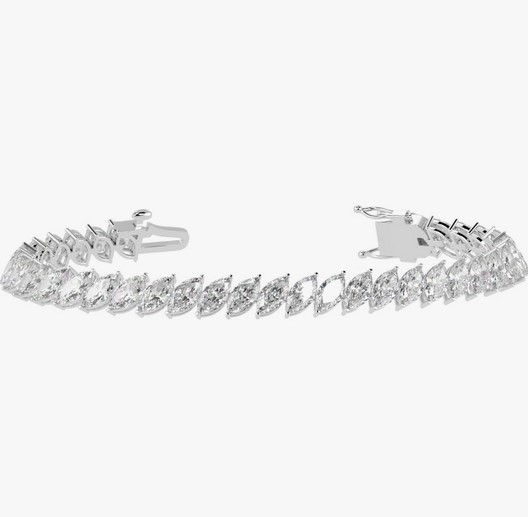
Houston Diamond District 2 to 28 Carat Lab Grown Diamond Classic Tennis Bracelet, 4-Prong Setting for Women (E-F Color, VS2-SI1 Clarity) (Marquise Shape)
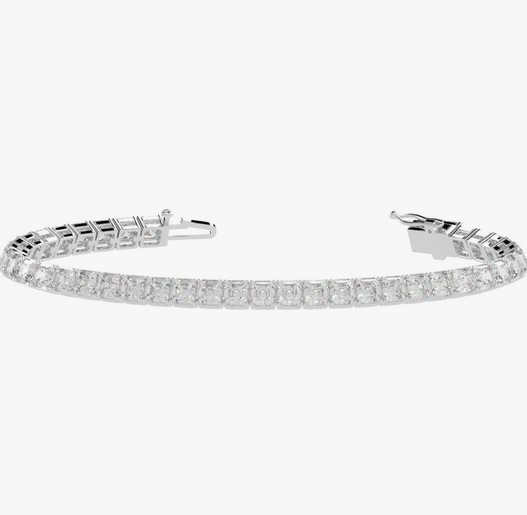
Houston Diamond District 2 to 28 Carat Lab Grown Diamond Classic Tennis Bracelet, 4-Prong Setting for Women (E-F Color, VS2-SI1 Clarity) (Asscher Shape)
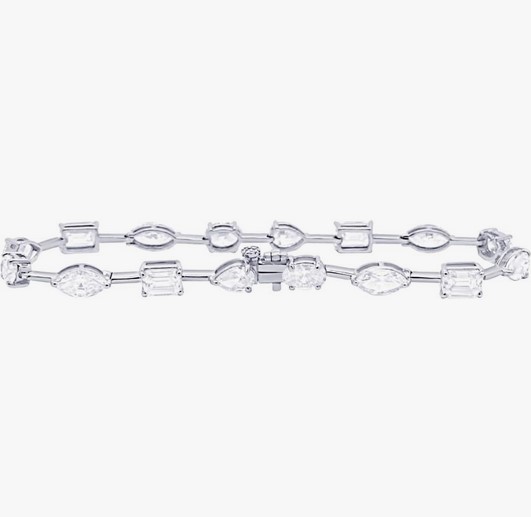
Houston Diamond District 2 to 28 Carat Lab Grown Diamond Classic Tennis Bracelet, 4-Prong Setting for Women (E-F Color, VS2-SI1 Clarity) (Mixed Shape)
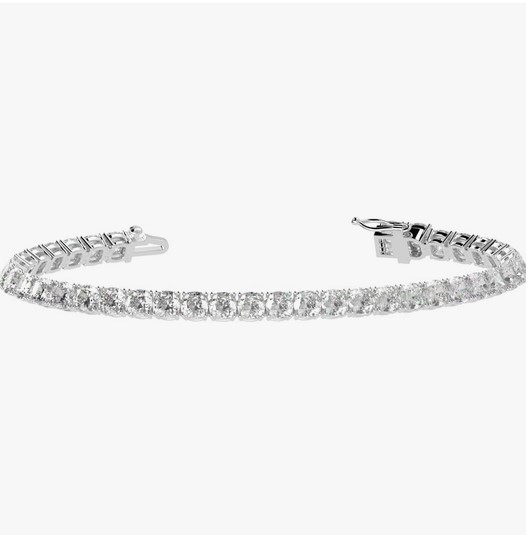
Houston Diamond District 2 to 28 Carat Lab Grown Diamond Classic Tennis Bracelet, 4-Prong Setting for Women (E-F Color, VS2-SI1 Clarity) (Cushion Shape)
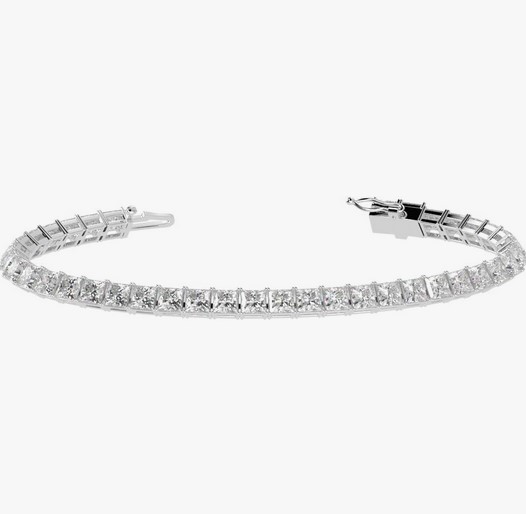
Houston Diamond District 2 to 28 Carat Lab Grown Diamond Classic Tennis Bracelet, 4-Prong Setting for Women (E-F Color, VS2-SI1 Clarity) (Princess Shape)
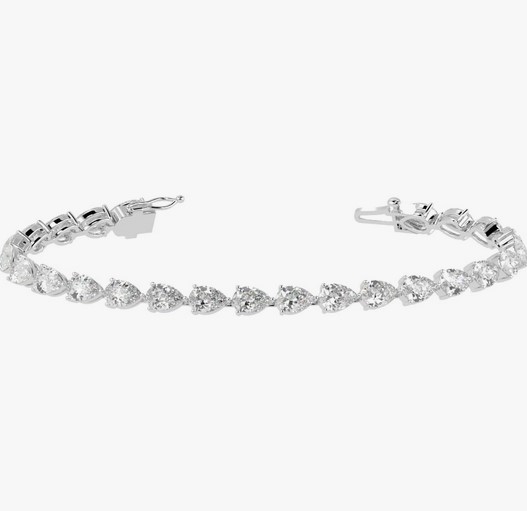
Houston Diamond District 2 to 28 Carat Lab Grown Diamond Classic Tennis Bracelet, 4-Prong Setting for Women (E-F Color, VS2-SI1 Clarity) (Pear Shape)
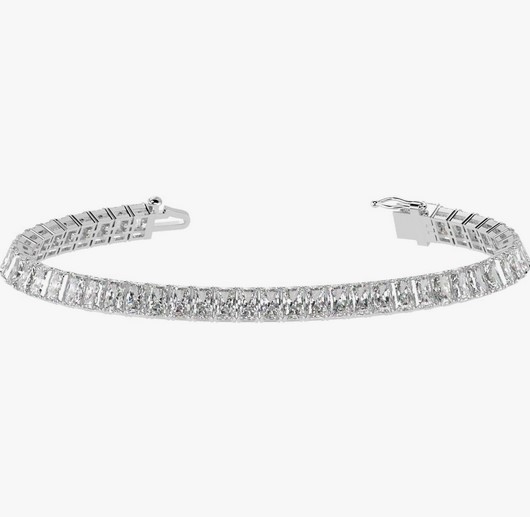
Houston Diamond District 2 to 28 Carat Lab Grown Diamond Classic Tennis Bracelet, 4-Prong Setting for Women (E-F Color, VS2-SI1 Clarity) (Radiant Shape)
Lab Diamond Tennis Bracelets: The Future of Sustainable Luxury Jewelry
Welcome to the Revolution in Fine Jewelry
The world of fine jewelry has undergone a remarkable transformation in recent years, and nowhere is this evolution more apparent than in the realm of lab diamond tennis bracelets. These stunning pieces represent the perfect marriage of cutting-edge science, environmental consciousness, and timeless elegance. A lab diamond tennis bracelet offers all the visual magnificence, durability, and prestige of traditional diamond jewelry while addressing many of the ethical and environmental concerns that modern consumers rightfully prioritize.
Lab-grown diamond tennis bracelets have emerged from niche curiosity to mainstream luxury, adorning the wrists of celebrities, environmentally conscious consumers, and savvy jewelry enthusiasts who recognize that innovation doesn’t require sacrificing beauty or quality. In fact, many experts argue that lab diamond tennis bracelets represent not just an alternative to mined diamonds, but an improvement—offering superior value, guaranteed ethical sourcing, and often better clarity and color grades for the same investment.
Understanding Lab-Grown Diamonds: Science Meets Beauty
Before exploring the specific appeal of lab diamond tennis bracelets, it’s essential to understand exactly what laboratory-grown diamonds are—and more importantly, what they aren’t. This knowledge empowers you to make informed decisions and appreciate the remarkable technology behind these ethical gemstones.
The Fundamental Truth: Lab Diamonds ARE Real Diamonds
The single most important fact about lab diamond tennis bracelets is this: laboratory-grown diamonds are chemically, physically, and optically identical to diamonds formed naturally beneath the Earth’s surface. They possess the same crystal structure (cubic), the same chemical composition (pure carbon arranged in a diamond cubic crystal structure), the same hardness (10 on the Mohs scale), the same refractive index (2.417), and the same spectacular fire and brilliance that have captivated humanity for millennia.
When you examine a lab-grown diamond tennis bracelet, even expert gemologists cannot distinguish it from a natural diamond bracelet using visual inspection alone. The only way to identify origin is through specialized laboratory equipment that detects minute trace elements or growth patterns invisible to the human eye. This means your lab diamond tennis bracelet delivers exactly the same visual impact, emotional resonance, and luxury experience as any traditional diamond piece.
Two Primary Creation Methods
Modern lab diamond tennis bracelets contain diamonds created through one of two sophisticated technological processes, each mimicking the natural conditions under which diamonds form in the Earth’s mantle.
High Pressure High Temperature (HPHT)
The HPHT method replicates the extreme conditions found 100-150 miles below the Earth’s surface, where natural diamonds form over billions of years. Scientists place a small diamond seed in a carbon source (typically graphite) and subject it to pressures exceeding 1.5 million pounds per square inch and temperatures above 2,700°F. Under these intense conditions, the carbon melts and begins crystallizing around the seed, growing into a larger diamond over several weeks. Many lab diamond tennis bracelets feature HPHT diamonds, which often exhibit exceptional color and clarity.
Chemical Vapor Deposition (CVD)
CVD technology represents a more recent innovation in diamond creation. This process begins with a thin diamond seed wafer placed in a sealed chamber filled with carbon-rich gases (typically methane and hydrogen). When heated to around 1,500°F and energized by microwaves or lasers, the gases break down, allowing pure carbon atoms to deposit layer by layer onto the seed, gradually building a diamond crystal. CVD diamonds often feature in high-end lab diamond tennis bracelets due to their remarkable purity and the precise control this method offers over diamond characteristics.
Growing Time and Scalability
Creating diamonds for a lab-grown diamond tennis bracelet typically requires several weeks per stone, depending on the desired size. While significantly faster than the billions of years nature requires, the process cannot be rushed—quality takes time even in laboratory settings. This time investment ensures that each diamond in your lab diamond tennis bracelet achieves the structural perfection and optical properties that make diamonds so extraordinary.
The Compelling Advantages of Lab Diamond Tennis Bracelets
Choosing a lab diamond tennis bracelet over a traditional mined diamond alternative offers numerous benefits that extend far beyond the jewelry itself, reflecting values of environmental stewardship, ethical consumption, and smart financial decision-making.
Environmental Sustainability: A Smaller Footprint
The environmental benefits of lab-grown diamond tennis bracelets are substantial and measurable. Traditional diamond mining represents one of the most environmentally intensive extraction industries, involving massive earth removal, significant water consumption, ecosystem disruption, and considerable carbon emissions from heavy machinery and transportation.
A single carat of mined diamond requires moving approximately 250 tons of earth, consuming about 127 gallons of water, and generating roughly 160 pounds of greenhouse gas emissions. In contrast, laboratory diamond creation for your lab diamond tennis bracelet produces approximately 6 pounds of carbon emissions per carat—a reduction of over 95%. While laboratory growth does require energy, many producers now utilize renewable energy sources, further reducing environmental impact.
Additionally, lab diamond tennis bracelets eliminate the landscape scarring, habitat destruction, and biodiversity loss associated with open-pit mining operations. No rivers are diverted, no forests cleared, and no wildlife displaced in creating the diamonds for your beautiful bracelet. For environmentally conscious consumers, this represents a guilt-free luxury that allows you to enjoy stunning jewelry while honoring your commitment to planetary stewardship.
Ethical Sourcing: Complete Transparency
The diamond industry has struggled with ethical concerns for decades, particularly regarding “conflict diamonds” or “blood diamonds”—gems sold to finance armed conflict, human rights abuses, or exploitative labor practices. While certification systems like the Kimberley Process have improved traceability, loopholes and enforcement challenges remain.
Lab-grown diamond tennis bracelets eliminate these concerns entirely. Every diamond’s origin is known with absolute certainty—it was created in a controlled laboratory environment under regulated working conditions. There’s no possibility that your lab diamond tennis bracelet contributed to conflict, funded warlords, or involved exploitative child labor. This complete transparency provides peace of mind that extends beyond the beauty of the jewelry itself, allowing you to wear your bracelet with pride and clear conscience.
Superior Value: More Beauty for Your Budget
Perhaps the most immediately apparent advantage of lab diamond tennis bracelets is the exceptional value proposition they offer. Laboratory-grown diamonds typically cost 30-50% less than comparable natural diamonds with equivalent specifications across the four Cs (cut, color, clarity, and carat weight).
This significant price difference doesn’t reflect inferior quality—remember, lab diamonds are atomically identical to natural diamonds. Instead, it reflects lower production costs and more efficient supply chains. The savings translate into remarkable opportunities: you can afford a larger, more impressive lab diamond tennis bracelet for the same budget, upgrade to better color or clarity grades, select more diamonds for greater coverage and sparkle, or simply enjoy luxury at a more accessible price point.
For example, a natural diamond tennis bracelet containing 5 carats total weight of high-quality diamonds might retail for $12,000-$18,000. An equivalent lab-grown diamond tennis bracelet with identical specifications could be available for $6,000-$9,000—allowing you to save thousands or invest the difference in larger or higher-grade diamonds that would be prohibitively expensive in natural stones.
Consistent Quality and Availability
Natural diamond quality varies enormously depending on geological conditions during formation. Finding perfectly matched diamonds for a cohesive tennis bracelet can require sorting through hundreds of stones. Laboratory creation allows precise control over growth conditions, resulting in more consistent quality and easier matching for lab diamond tennis bracelets.
This controlled production also means lab-grown diamond tennis bracelets aren’t subject to the supply constraints affecting rare natural diamond colors or exceptional clarity grades. If you desire a specific combination of characteristics—say, a 10-carat total weight bracelet with G color and VS1 clarity—laboratory production can reliably deliver exactly what you want without the premium pricing associated with natural diamond rarity.
Innovation and Customization
The technology behind lab diamond tennis bracelets continues advancing rapidly, opening possibilities for customization that natural diamonds can’t match. Want a tennis bracelet featuring fancy colored diamonds—vivid yellows, pinks, or blues—without the astronomical cost of natural colored diamonds? Laboratory creation can produce these stunning options affordably. Prefer perfectly matched diamonds with virtually identical specifications throughout your bracelet? Lab growth makes this achievable at reasonable prices.
Debunking Common Myths About Lab Diamond Tennis Bracelets
Despite growing acceptance, misconceptions about lab-grown diamond tennis bracelets persist. Let’s address the most common myths with factual information.
Myth #1: “Lab Diamonds Are Fake or Synthetic”
Reality: Lab diamond tennis bracelets contain real diamonds, not diamond simulants like cubic zirconia or moissanite. The term “synthetic” is technically accurate in gemological parlance (meaning “human-made”) but misleadingly suggests inferiority to consumers. The Federal Trade Commission now recognizes that laboratory-grown diamonds are genuine diamonds, requiring the industry to drop misleading qualifiers like “real” or “genuine” exclusively for natural diamonds. Your lab diamond tennis bracelet features authentic diamonds—they simply formed in weeks rather than billions of years.
Myth #2: “You Can Tell the Difference by Looking”
Reality: Professional gemologists cannot visually distinguish lab diamond tennis bracelets from natural diamond bracelets without specialized equipment. The sparkle, fire, brilliance, and overall appearance are identical because the optical properties are identical. When you wear your lab-grown diamond tennis bracelet, it looks exactly like a natural diamond bracelet to everyone who sees it—including jewelry experts.
Myth #3: “Lab Diamonds Have No Resale Value”
Reality: While it’s true that lab diamond tennis bracelets currently have lower resale values than natural diamond pieces, this misses important context. All jewelry—including natural diamond pieces—typically resells for 20-60% of original retail price, representing substantial loss regardless of diamond origin. Most people purchase jewelry for personal enjoyment, not investment purposes. The key question isn’t “Will this hold resale value?” but rather “Am I getting excellent value for my money right now?” For lab diamond tennis bracelets, the answer is emphatically yes—you’re receiving maximum beauty and quality for your investment.
Myth #4: “Lab Diamonds Are Lower Quality”
Reality: Lab diamond tennis bracelets often feature higher quality diamonds than comparably priced natural diamond pieces. Because laboratory creation costs less, you can afford better color, clarity, and cut grades within the same budget. Many lab diamonds actually exhibit fewer inclusions and more consistent coloration than natural diamonds, as controlled growth conditions prevent many imperfections that occur during natural formation.
Myth #5: “Lab Diamond Production Isn’t Really Eco-Friendly”
Reality: While laboratory diamond creation does consume energy, even considering electricity usage, lab-grown diamond tennis bracelets have dramatically lower environmental impact than mined alternatives. Studies show 95% less carbon emissions, 99% less water usage, and zero land disruption compared to traditional mining. As renewable energy adoption increases, the environmental advantages only grow larger.
Selecting Your Perfect Lab Diamond Tennis Bracelet: A Comprehensive Guide
Understanding the factors that differentiate lab diamond tennis bracelets helps ensure you select a piece that perfectly matches your preferences, lifestyle, and budget.
Evaluating Diamond Quality in Lab-Grown Pieces
Lab diamond tennis bracelets should be evaluated using the same four Cs framework applied to natural diamonds: Cut, Color, Clarity, and Carat Weight.
Cut: The Soul of Sparkle
Cut quality determines how effectively your lab diamond tennis bracelet interacts with light, creating the scintillation and fire that make diamonds captivating. For tennis bracelets, round brilliant cuts are most popular, featuring 58 precisely angled facets that maximize light return. Look for diamonds graded “Excellent” or “Ideal” by certification laboratories, ensuring optimal brilliance.
Some lab-grown diamond tennis bracelets feature alternative shapes: princess cuts (square with pointed corners), emerald cuts (rectangular with step-cut facets), oval, cushion, or asscher cuts. Each shape creates a different aesthetic, from the classic elegance of rounds to the vintage sophistication of emerald cuts. Because lab diamonds cost less, you can experiment with fancy shapes without the premium pricing they command in natural diamonds.
Color: From Colorless to Near-Colorless
Diamond color grading ranges from D (completely colorless) through Z (light yellow or brown). For lab diamond tennis bracelets, most jewelers recommend grades D through H, as these appear colorless or near-colorless when set in jewelry.
Here’s where lab diamonds shine particularly bright: achieving higher color grades costs significantly less in laboratory-grown stones. While a natural D-color diamond commands substantial premiums, lab diamond tennis bracelets can feature D-F stones at prices approaching what you’d pay for H-I natural diamonds. This allows budget-conscious shoppers to enjoy the prestige of colorless diamonds without stretching their finances.
Clarity: Internal Perfection
Clarity refers to the presence or absence of inclusions (internal characteristics) and blemishes (external imperfections). The GIA clarity scale ranges from Flawless (no inclusions or blemishes under 10x magnification) to Included (inclusions visible to the naked eye).
For lab-grown diamond tennis bracelets, VS2 through SI1 clarity grades offer excellent value, appearing completely eye-clean while costing significantly less than VVS or Flawless grades. The smaller diamonds typically used in tennis bracelets (0.10-0.25 carats each) make inclusions even less visible, meaning you can comfortably choose SI1 clarity without compromising visual appeal.
Interestingly, lab diamonds often achieve higher clarity grades more easily than natural diamonds, as controlled growth conditions prevent many inclusions that form during natural crystallization. This means lab diamond tennis bracelets at a given price point frequently feature better clarity than natural diamond alternatives.
Carat Weight: Total Diamond Mass
For lab diamond tennis bracelets, total carat weight (the combined weight of all diamonds) is the relevant specification. Bracelets typically contain 2-20+ carats total, depending on length, number of stones, and individual diamond sizes.
The cost advantage of lab diamonds becomes particularly pronounced at larger total carat weights. A 10-carat total weight natural diamond tennis bracelet might cost $25,000-$40,000, while an equivalent lab-grown diamond tennis bracelet could be available for $12,000-$20,000. This dramatic difference allows you to afford truly impressive pieces that would be financially unrealistic in natural diamonds.
Metal Selection for Lab Diamond Tennis Bracelets
The metal setting significantly impacts the overall appearance and durability of your lab diamond tennis bracelet.
White Gold: Contemporary Classic
14K or 18K white gold provides a cool, modern backdrop that enhances diamond brilliance without introducing competing color. White gold is actually yellow gold alloyed with white metals (palladium, nickel, or silver) and plated with rhodium for a bright white finish. Rhodium plating requires occasional renewal (every 1-2 years) to maintain optimal appearance, but the maintenance is simple and affordable.
Yellow Gold: Traditional Warmth
Yellow gold offers warm, classic elegance that many find timelessly appealing. It requires no plating or special maintenance and provides a rich color that complements most skin tones beautifully. For lab diamond tennis bracelets, 14K yellow gold provides an excellent balance of durability and gold content, while 18K offers richer color at the expense of slightly softer metal.
Rose Gold: Romantic Sophistication
Rose gold has surged in popularity for its distinctive, romantic appearance. Created by alloying yellow gold with copper, rose gold provides a unique peachy-pink hue that pairs beautifully with lab-grown diamonds. The copper content actually increases durability, making rose gold lab diamond tennis bracelets particularly resilient to daily wear.
Platinum: Ultimate Prestige
Platinum represents the pinnacle of precious metal settings. Naturally white (requiring no plating), exceptionally durable, hypoallergenic, and dense, platinum lab diamond tennis bracelets offer uncompromising quality. Platinum’s rarity and density make it significantly more expensive than gold options, but for those seeking the absolute best, platinum provides unmatched prestige and longevity.
Setting Styles and Security Features
The setting style affects both the appearance and security of diamonds in your lab-grown diamond tennis bracelet.
Prong Settings
Four-prong settings are most common in lab diamond tennis bracelets, holding each diamond securely at four points while maximizing light exposure for optimal brilliance. Three-prong settings offer a more delicate appearance but provide slightly less security. Six-prong settings maximize security but can obscure more of the diamond, reducing visible size.
Bezel Settings
Bezel settings surround each diamond with a thin metal rim, offering maximum security and a sleek, contemporary aesthetic. Bezel-set lab diamond tennis bracelets suit active lifestyles particularly well, as the surrounding metal protects diamonds from impact and snags. However, bezels reduce light entry, slightly diminishing sparkle compared to prong settings.
Channel Settings
Channel-set lab-grown diamond tennis bracelets feature diamonds set between two parallel metal walls, creating a smooth, seamless appearance. This setting style offers excellent security and a sophisticated, uninterrupted line of diamonds. Channel settings work particularly well with princess-cut or emerald-cut diamonds.
Safety Features
Quality lab diamond tennis bracelets should include robust safety features. Look for secure clasps (box clasps with safety latches or hidden push-button clasps), safety chains that prevent complete loss if the main clasp fails, and reinforced links at stress points. These features provide peace of mind, protecting your investment from accidental loss.
Certification and Documentation for Lab Diamond Tennis Bracelets
Proper certification ensures you’re receiving the quality you’re paying for and provides documentation for insurance and potential resale.
Why Certification Matters
Reputable lab diamond tennis bracelets should include certification from recognized gemological laboratories, verifying that diamonds meet claimed specifications and confirming their laboratory-grown origin. Certification protects you from misrepresentation and provides objective third-party validation of diamond quality.
Leading Certification Laboratories
GIA (Gemological Institute of America)
GIA represents the gold standard in diamond grading, with the most stringent, consistent standards in the industry. GIA laboratory-grown diamond reports clearly identify stones as “Laboratory-Grown” and provide the same comprehensive grading for the four Cs as natural diamond reports. A GIA-certified lab diamond tennis bracelet offers maximum credibility and confidence.
IGI (International Gemological Institute)
IGI has emerged as a leader in laboratory-grown diamond certification, grading more lab diamonds than any other laboratory. IGI reports clearly distinguish lab diamonds from natural stones while providing detailed grading information. Many lab-grown diamond tennis bracelets feature IGI certification, offering reliable quality verification at competitive costs.
GCAL (Gem Certification & Assurance Lab)
GCAL pioneered guaranteed diamond grading and has extensive expertise in laboratory-grown diamonds. GCAL certificates guarantee the accuracy of their grading, providing additional assurance for your lab diamond tennis bracelet investment.
What Certificates Should Include
Comprehensive certification for lab-grown diamond tennis bracelets should document: total carat weight, number of diamonds, average or range of diamond grades (color, clarity, cut), metal type and purity, creation method (HPHT or CVD), and clear identification as laboratory-grown diamonds. Some high-end pieces provide individual certificates for each diamond, though this is more common for larger stones than the smaller diamonds typical in tennis bracelets.
Caring for Your Lab Diamond Tennis Bracelet
Proper maintenance ensures your lab-grown diamond tennis bracelet maintains its brilliant sparkle and structural integrity for generations.
Daily Care and Precautions
While lab diamond tennis bracelets are durable, prudent care prevents unnecessary damage. Remove your bracelet before activities that might subject it to impact: exercise, household cleaning, gardening, or manual labor. Diamonds can chip if struck at vulnerable angles, and prongs can bend with repeated trauma, potentially leading to stone loss.
Apply lotions, perfumes, and cosmetics before putting on your lab diamond tennis bracelet, as these products can leave residue that dulls diamond brilliance. Similarly, remove your bracelet before swimming in chlorinated pools, as chlorine can damage metal settings over time.
Cleaning Your Lab-Grown Diamond Tennis Bracelet
Regular cleaning maintains the stunning sparkle that makes lab diamond tennis bracelets so captivating. For at-home cleaning, use this gentle method: Create a solution of warm water and mild dish soap in a small bowl. Soak your bracelet for 20-30 minutes to loosen dirt and oil buildup. Gently scrub with a soft toothbrush, paying special attention to the back of each diamond where oils accumulate. Rinse thoroughly under warm running water (plug the drain!). Pat dry with a lint-free cloth.
Avoid harsh chemicals, ultrasonic cleaners without professional guidance (which can loosen already-compromised settings), and abrasive materials that might scratch metal settings. For lab diamond tennis bracelets with delicate settings or antique-style metalwork, professional cleaning may be preferable to at-home methods.
Professional Maintenance
Schedule professional inspection and cleaning at least annually. Jewelers examine your lab-grown diamond tennis bracelet under magnification, checking for loose stones, worn prongs, clasp integrity, and general wear. They can tighten settings, re-tip worn prongs, replace damaged components, and professionally clean your bracelet using specialized equipment. This preventive maintenance prevents stone loss and extends your bracelet’s lifespan indefinitely.
Storage and Protection
Store your lab diamond tennis bracelet separately from other jewelry to prevent scratching (diamonds can damage softer gemstones and metals). A fabric-lined jewelry box compartment or individual soft pouch provides ideal protection. Avoid extreme temperature fluctuations and prolonged exposure to direct sunlight, which can affect metal settings over time.
Styling Your Lab Diamond Tennis Bracelet
Lab-grown diamond tennis bracelets offer remarkable versatility, complementing everything from casual daywear to formal evening attire.
Solo Elegance
A lab diamond tennis bracelet possesses sufficient presence to shine as your sole wrist accessory. This minimalist approach highlights the diamonds’ brilliance while maintaining elegant restraint—perfect for professional settings or occasions requiring subtle sophistication.
Bracelet Stacking
Contemporary jewelry trends embrace stacking multiple bracelets for personalized, curated looks. Your lab diamond tennis bracelet can anchor a stack including: complementary tennis bracelets in different metals (mixing white, yellow, and rose gold), plain metal bangles or cuffs for textural contrast, delicate chain bracelets for layered dimension, or tennis bracelets with different diamond shapes for visual variety.
When stacking lab-grown diamond tennis bracelets, consider varying widths while maintaining some visual cohesion through color palette or style consistency. Odd numbers (3 or 5 bracelets) often create more visually interesting stacks than even numbers.
Coordinating with Other Jewelry
Lab diamond tennis bracelets pair beautifully with various jewelry styles. For formal occasions, coordinate with diamond stud earrings and a delicate pendant necklace for cohesive elegance. For casual wear, pair with simple hoops or studs, allowing the bracelet to serve as your statement piece. Don’t feel constrained by matching metals—contemporary styling embraces mixing gold, silver, and platinum tones.
Occasion-Appropriate Styling
Lab-grown diamond tennis bracelets suit virtually any occasion. For professional settings, a single-row bracelet projects polish and success without overwhelming business attire. For evening events, multiple stacked tennis bracelets or a bold multi-row piece creates dramatic glamour. For everyday wear, a delicate lab diamond tennis bracelet adds touch of luxury to casual outfits, elevating jeans and t-shirts with effortless sophistication.
Investment Considerations: Understanding Value
While lab diamond tennis bracelets shouldn’t be viewed primarily as financial investments, understanding their value proposition helps you make informed purchasing decisions.
Upfront Value: More for Your Money
The most significant financial advantage of lab-grown diamond tennis bracelets is the exceptional upfront value. For the same budget, you can acquire: larger total carat weight (potentially double the diamond mass), superior color grades (D-F instead of G-I), better clarity grades (VVS instead of SI), longer bracelets with more diamonds, or simply more competitive pricing for equivalent specifications.
This value advantage means you can own the lab diamond tennis bracelet you truly desire rather than settling for a smaller or lower-quality natural diamond piece within your budget. The joy and satisfaction of wearing a spectacular piece daily far outweighs abstract concerns about future resale value.
Resale Realities
It’s important to acknowledge that lab diamond tennis bracelets currently have lower resale values than natural diamond alternatives. However, context matters: ALL jewelry—including natural diamond pieces—experiences substantial depreciation from retail price. Pre-owned diamond jewelry typically resells for 20-60% of original retail cost, representing significant loss regardless of diamond origin.
Given this reality, the question becomes: Would you prefer to spend $10,000 on a natural diamond bracelet that might resell for $4,000, or spend $5,000 on an identical-looking lab diamond tennis bracelet that might resell for $1,500? Either way, you’re accepting depreciation—but with lab diamonds, you’re receiving more beauty for less money initially, which many find a more appealing value proposition.
Emotional and Practical Value
The true value of lab-grown diamond tennis bracelets extends beyond financial calculations. Consider: the daily joy of wearing stunning jewelry, the confidence boost from looking your best, the environmental and ethical satisfaction of sustainable choices, the memories associated with special occasions when you wore the piece, and the potential to become a family heirloom regardless of resale value.
Most people purchase jewelry for personal enjoyment, not investment purposes. By this measure, lab diamond tennis bracelets offer extraordinary value—you’re maximizing beauty, quality, and size within your budget while making an ethical choice aligned with your values.
Lab Diamond Tennis Bracelets for Special Occasions
Lab-grown diamond tennis bracelets make meaningful gifts and celebratory purchases for life’s most significant moments.
Engagement and Wedding Jewelry
Brides increasingly choose lab diamond tennis bracelets as wedding day accessories, appreciating their brilliant sparkle and budget-friendly pricing. A lab-grown diamond tennis bracelet coordinates beautifully with engagement rings and other bridal jewelry while remaining financially practical for couples managing wedding expenses. Many brides find that lab diamonds allow them to afford more impressive bridal jewelry than natural diamonds would permit.
Anniversary Gifts
Lab diamond tennis bracelets make exceptional anniversary gifts, particularly for milestone years (10th, 25th, 50th). The enduring beauty symbolizes lasting love, while the ethical and environmental considerations reflect modern values. Because lab diamonds cost less, you can mark special anniversaries with truly impressive pieces that might be unaffordable in natural diamonds.
Milestone Birthdays
Significant birthdays (30th, 40th, 50th, 60th) deserve memorable commemorations. A lab-grown diamond tennis bracelet represents a gift of lasting beauty and utility—something the recipient will treasure and wear for decades. The value advantage of lab diamonds means you can give a truly spectacular gift without financial strain.
Professional Achievements
Lab diamond tennis bracelets make perfect gifts to celebrate professional milestones: promotions, graduations, business successes, or career achievements. They project success and sophistication while remaining appropriate for professional environments. Self-purchasing a lab diamond tennis bracelet to mark your own achievements is equally meaningful—a tangible reward for hard work and accomplishment.
Push Presents and New Motherhood
The tradition of “push presents”—gifts given to new mothers—has made lab-grown diamond tennis bracelets increasingly popular. They offer lasting beauty to commemorate the monumental occasion of childbirth while remaining budget-conscious for families facing new expenses. Many women find that lab diamonds allow them to receive more impressive jewelry than natural diamonds would permit within reasonable budgets.
The Future of Lab Diamond Tennis Bracelets
The laboratory-grown diamond industry continues evolving rapidly, with exciting developments on the horizon for lab diamond tennis bracelet enthusiasts.
Technological Advancement
Diamond creation technology improves continuously, producing increasingly perfect stones with fewer detectable characteristics and more consistent quality. As production becomes more efficient, the cost advantage of lab-grown diamond tennis bracelets will likely increase further, making luxury accessible to even more consumers. Some researchers predict production costs could drop an additional 20-30% over the next decade as technology matures and economies of scale develop.
Fancy Colored Diamonds
One of the most exciting frontiers for lab diamond tennis bracelets involves fancy colored diamonds—vivid yellows, pinks, blues, and greens that command astronomical prices in natural stones. Laboratory creation can produce these colors affordably and reliably, opening possibilities for colored diamond tennis bracelets that would be financially unrealistic in natural diamonds. Imagine a bracelet featuring alternating white and vivid blue diamonds, or a gradient from light yellow to vivid yellow—options becoming increasingly accessible through lab-grown technology.
Sustainability Improvements
Leading lab diamond producers are aggressively pursuing carbon-neutral or even carbon-negative production through renewable energy adoption and carbon offsetting programs. Some companies now create “climate-neutral” diamonds, ensuring your lab-grown diamond tennis bracelet has net-zero environmental impact. As renewable energy becomes more prevalent, the environmental advantages of lab diamonds over mined alternatives will only increase.
Market Acceptance and Growth
Consumer acceptance of lab diamond tennis bracelets grows steadily as education improves and misconceptions diminish. Major retailers now prominently feature lab-grown options, celebrities openly wear lab diamonds, and younger consumers particularly embrace them for ethical and environmental benefits. This growing mainstream acceptance suggests strong continued demand and potential for lab diamonds to dominate the market within decades.
Innovation in Design
The affordability of lab diamonds encourages creative experimentation in bracelet design. Jewelers can take risks with innovative styles—asymmetric layouts, mixed diamond shapes, architectural settings—knowing that lab diamond pricing makes bold designs financially accessible. This creative freedom will likely yield exciting new interpretations of the classic tennis bracelet format.
Answering Common Questions About Lab Diamond Tennis Bracelets
Will people know my bracelet has lab-grown diamonds?
No. Lab-grown diamond tennis bracelets are visually identical to natural diamond bracelets. Even jewelry professionals cannot tell the difference without specialized equipment. Your bracelet will look exactly like a natural diamond piece to everyone who sees it.
Are lab diamonds as durable as natural diamonds?
Yes, absolutely. Lab diamond tennis bracelets feature the same 10-on-the-Mohs-scale hardness as natural diamonds. They’re equally scratch-resistant, durable, and permanent. Your lab-grown diamonds will last forever, just like natural diamonds.
Can I insure my lab diamond tennis bracelet?
Yes. Insurance companies insure lab-grown diamond tennis bracelets just like natural diamond jewelry. You’ll need a professional appraisal documenting the replacement value, and premiums typically run 1-2% of appraised value annually. Some insurers even offer lower premiums for lab diamonds due to their lower replacement cost.
How do I know I’m getting genuine lab-grown diamonds?
Purchase only lab diamond tennis bracelets with certification from recognized laboratories (GIA, IGI, GCAL) that clearly identify diamonds as laboratory-grown. Avoid sellers who cannot provide certification or proper documentation. Reputable jewelers always provide certificates verifying diamond origin and quality.
Will my lab diamond tennis bracelet yellow over time?
No. High-quality lab-grown diamonds are chemically pure carbon with no elements that could cause yellowing. The only potential discoloration involves metal settings—white gold rhodium plating may wear over time, requiring periodic re-plating to maintain bright white appearance. The diamonds themselves remain permanently colorless.
Are lab diamonds good for daily wear?
Absolutely. Lab diamond tennis bracelets are equally suitable for daily wear as natural diamond bracelets. Take the same precautions you would with any fine jewelry—remove for vigorous activities, avoid harsh chemical exposure, clean regularly—and your bracelet will maintain its beauty through years of daily wear.
Can jewelers repair lab diamond tennis bracelets?
Yes. Any competent jeweler can repair lab-grown diamond tennis bracelets using the same techniques as natural diamond pieces. Prong retipping, clasp replacement, metal polishing, stone resetting—all standard repair procedures work identically for lab diamonds. Your local jeweler doesn’t need special training or equipment.
Making Your Purchase: What to Look For
When shopping for lab diamond tennis bracelets, certain factors separate exceptional pieces from mediocre ones.
Reputable Sellers
Purchase from established jewelers with solid reputations, transparent policies, and positive customer reviews. Whether shopping online or in brick-and-mortar stores, look for: clear return policies (minimum 30 days), certification provided automatically, detailed product descriptions including total carat weight and diamond specifications, responsive customer service, and positive reviews from independent sources.
Certification Requirements
Never purchase a lab-grown diamond tennis bracelet without proper certification. Legitimate sellers provide certificates from recognized laboratories (GIA, IGI, GCAL) that document diamond quality and confirm laboratory-grown origin. Certification protects you from misrepresentation and provides documentation for insurance purposes.
Quality Over Size
While lab diamonds’ lower cost tempts buyers toward larger pieces, prioritize quality over sheer size. A 5-carat lab diamond tennis bracelet with excellent cut, G color, and VS2 clarity will be far more beautiful than an 8-carat bracelet with poor cut, J color, and I1 clarity. The first bracelet will sparkle brilliantly, while the second will appear dull despite larger diamonds.
Setting Quality
Examine setting quality carefully. Look for: substantial metal weight (lightweight settings compromise durability), secure prongs that fully cover diamond girdles, reinforced links at stress points, robust clasps with safety features, and consistent, professional finishing with no rough edges or sloppy soldering.
Price Reasonableness
While lab-grown diamond tennis bracelets cost less than natural diamond alternatives, extremely low prices suggest inferior quality or misrepresentation. A legitimate 5-carat total weight lab diamond tennis bracelet with quality stones and good construction should still cost several thousand dollars. Prices that seem too good to be true usually are—they may indicate lower-quality diamonds, lightweight settings, or outright fraud.
Conclusion: Embrace the Future with Lab Diamond Tennis Bracelets
Lab diamond tennis bracelets represent the convergence of scientific innovation, environmental consciousness, and timeless beauty. They offer all the visual magnificence, emotional significance, and prestige of traditional diamond jewelry while addressing the ethical and environmental concerns that matter to modern consumers. When you choose a lab-grown diamond tennis bracelet, you’re not compromising—you’re making a smart, forward-thinking choice that maximizes value, minimizes environmental impact, and ensures complete ethical transparency.
The atomically identical nature of lab-grown diamonds means your bracelet delivers exactly the same sparkle, brilliance, fire, and durability as any natural diamond piece. The only difference is origin—and for many, that difference represents an improvement, not a compromise. You can wear your lab diamond tennis bracelet with pride, knowing it was created without environmental destruction, human exploitation, or conflict financing.
The exceptional value proposition of lab-grown diamond tennis bracelets empowers you to own the jewelry you truly desire rather than settling for less. Whether you choose to invest savings in larger diamonds, better quality grades, additional jewelry pieces, or simply enjoy competitive pricing, lab diamonds deliver more beauty for your budget without sacrificing anything except outdated prejudices.
As technology continues advancing and consumer awareness grows, lab diamond tennis bracelets will increasingly dominate the jewelry market. Early adopters benefit from excellent pricing and selection while supporting an industry building a more sustainable, ethical future for luxury goods. Your choice to purchase a lab-grown diamond tennis bracelet represents not just personal style but participation in a meaningful shift toward responsible consumption.
The journey to finding your perfect lab diamond tennis bracelet should be as enjoyable as wearing the finished piece. Take time to explore options, compare specifications, ask questions, and select a piece that speaks to your personal aesthetic and values. Whether you choose a delicate single-row classic, a bold multi-row statement piece, or anything in between, your lab-grown diamond tennis bracelet will bring you years—or even generations—of sparkle, joy, and satisfaction.
Welcome to the future of fine jewelry. Welcome to the world of lab diamond tennis bracelets—where science meets beauty, sustainability meets luxury, and smart consumers receive exceptional value without ethical compromise. Your perfect bracelet awaits, ready to adorn your wrist with brilliant, guilt-free sparkle that will last forever.
Are lab diamond tennis bracelets real diamonds?
Yes! Lab-grown diamonds are 100% real diamonds—they have the identical chemical composition (pure carbon), crystal structure, physical properties, and optical characteristics as natural diamonds. They’re not diamond simulants like cubic zirconia or moissanite. The only difference is their origin: lab diamonds are created in controlled laboratory environments in weeks rather than forming naturally over billions of years underground.
Can jewelers tell the difference between lab and natural diamonds?
Not with the naked eye—lab diamonds are visually identical to natural diamonds. Even professional gemologists using standard equipment cannot distinguish them. Specialized laboratory testing examining trace elements or growth patterns is required to identify origin. When you wear a lab diamond tennis bracelet, it looks exactly like a natural diamond bracelet to everyone, including jewelry experts.
Why are lab diamond tennis bracelets less expensive?
Lab diamonds cost 40-50% less than natural diamonds because production is more efficient and predictable. Mining requires expensive exploration, heavy equipment, labor-intensive extraction, and long supply chains with multiple middlemen. Laboratory creation occurs in controlled facilities near population centers with shorter supply chains. These efficiency gains translate directly into consumer savings without compromising diamond quality.
Will a lab diamond tennis bracelet hold its value?
Lab diamond jewelry experiences similar depreciation to natural diamond jewelry—typically retaining 20-60% of retail value. However, the key question isn’t future resale but present value: would you prefer spending $10,000 on a natural diamond bracelet that might resell for $4,000, or $5,000 on an identical-looking lab diamond bracelet that might resell for $1,500? With lab diamonds, you get more beauty for less money initially, and most people buy jewelry for enjoyment, not investment.
Are lab diamonds environmentally friendly?
Yes, significantly more eco-friendly than mined diamonds. Lab diamond creation produces approximately 95% less carbon emissions, uses 99% less water, and causes zero habitat destruction or landscape scarring. While diamond growth does require energy, many producers use renewable sources, and even conventional electricity generation has far less environmental impact than mining operations involving massive earth movement and ecosystem disruption.
What certification do lab diamond tennis bracelets have?
Our lab diamond bracelets come with certification from recognized gemological laboratories including GIA (Gemological Institute of America), IGI (International Gemological Institute), or GCAL (Gem Certification & Assurance Lab). Certificates clearly identify diamonds as “laboratory-grown” or “laboratory-created” and provide complete four Cs grading (cut, color, clarity, carat weight) using the same standards as natural diamonds.
How are lab diamonds created?
Lab diamonds are grown using two primary methods: HPHT (High Pressure High Temperature) replicates the extreme pressure and heat found deep in Earth’s mantle, or CVD (Chemical Vapor Deposition) uses carbon-rich gases in a vacuum chamber to build diamond crystals layer by layer. Both processes create genuine diamonds with the same properties as natural diamonds. The technology has advanced significantly, now producing diamonds of exceptional quality and size.
Do lab diamonds get cloudy over time?
No, lab diamonds never get cloudy, dull, or discolored with age. They’re chemically stable pure carbon with the same hardness (10 on Mohs scale) as natural diamonds. Any perceived cloudiness comes from surface dirt, oils, or residue that regular cleaning easily removes. The diamonds themselves remain permanently brilliant. The only maintenance needed is periodic cleaning to remove buildup and professional inspection to ensure settings remain secure.
Are lab diamonds conflict-free?
Absolutely. Lab diamond tennis bracelets are guaranteed 100% conflict-free with complete transparency about origin. Every diamond is created in a regulated laboratory facility with documented working conditions—there’s zero possibility of funding conflict, human rights abuses, or exploitative labor. This certainty provides peace of mind that’s difficult to achieve even with natural diamond certification systems, which can have enforcement gaps despite good intentions.
Customer Reviews
I only recently discovered that lab created genuine diamonds are available—identical optically, physically, and chemically to earth mined diamonds. I ordered the 4 carat 14k white gold bracelet and absolutely love it. The E-F color and VS2-SI1 clarity exceeded my expectations. The stones are larger than anticipated, beautifully spaced, and the bracelet is heavy and smoothly polished. This is genuine quality at an excellent value. I’ve shopped around extensively and this is the best combination of quality and price I found.
Beautiful, my wife was most impressed! Gorgeous stones, excellent mountings. The quality is outstanding and she wears it constantly. Best purchase I’ve made in a long time.
I splurged on the 12 carat platinum bracelet and wow was I impressed. The E-F color diamonds and VS2-SI1 clarity look superb. This bracelet is truly stunning. Package arrived in less than 48 hours in perfect condition. I shopped around for quite a while and I’m thrilled with both the seller and product. While expensive, you won’t find this value anywhere else for this gorgeous statement piece!