Museum-Quality Craftsmanship
Hand-set diamonds, reinforced settings, platinum or 14K/18K gold
Certified Excellence
GIA/IGI certified diamonds, detailed grading reports included
White Glove Service
Personalized consultation, expert sizing, luxury packaging, insured shipping
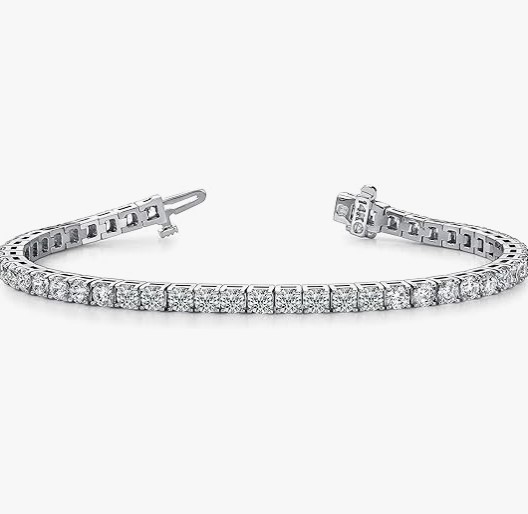
Houston Diamond District 2 to 28 Carat Lab Grown Diamond Classic Tennis Bracelet, 4-Prong Setting for Women (E-F Color, VS2-SI1 Clarity) (Round Shape)
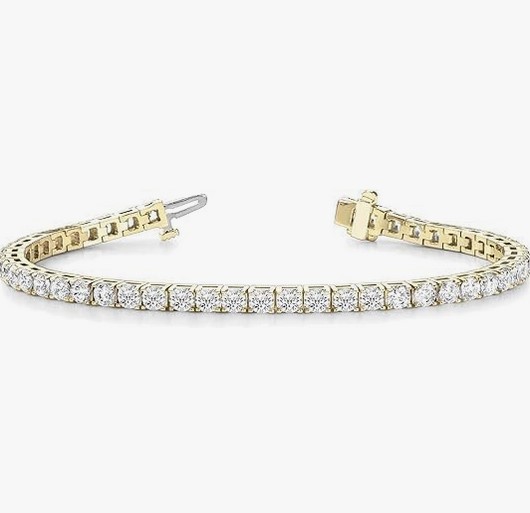
Houston Diamond District 3 to 50 Carat Classic LAB GROWN Diamond Tennis Bracelet 4 Prong Ultra Premium Collection (E-F Color, VS2-SI1 Clarity)
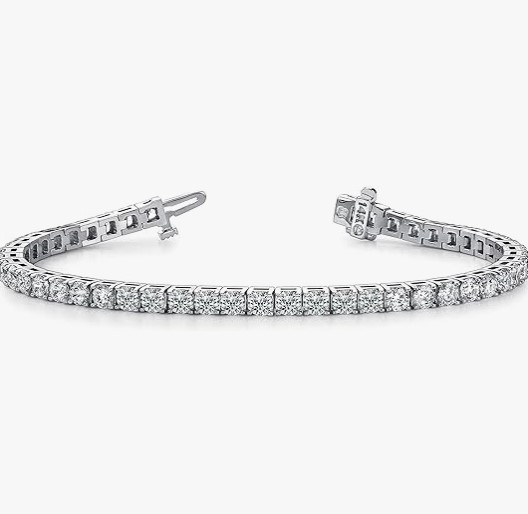
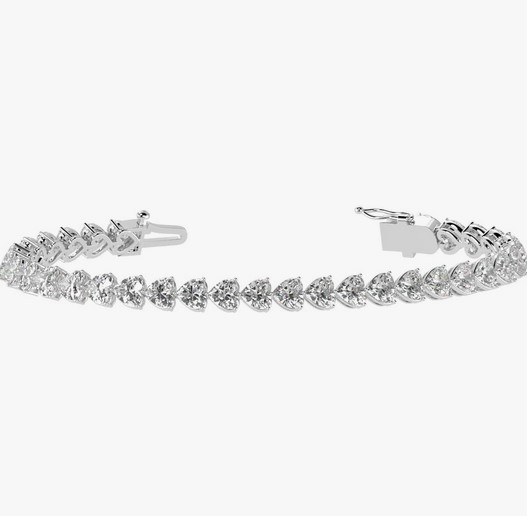
Houston Diamond District 2 to 28 Carat Lab Grown Diamond Classic Tennis Bracelet, 4-Prong Setting for Women (E-F Color, VS2-SI1 Clarity) (Heart Shape)
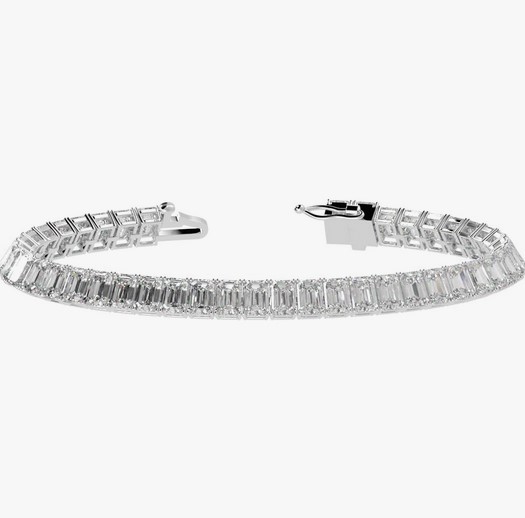
Houston Diamond District 2 to 28 Carat Lab Grown Diamond Classic Tennis Bracelet, 4-Prong Setting for Women (E-F Color, VS2-SI1 Clarity) (Emerald Shape)
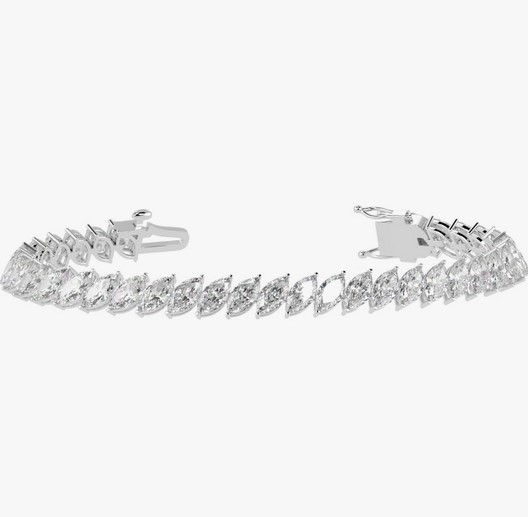
Houston Diamond District 2 to 28 Carat Lab Grown Diamond Classic Tennis Bracelet, 4-Prong Setting for Women (E-F Color, VS2-SI1 Clarity) (Marquise Shape)
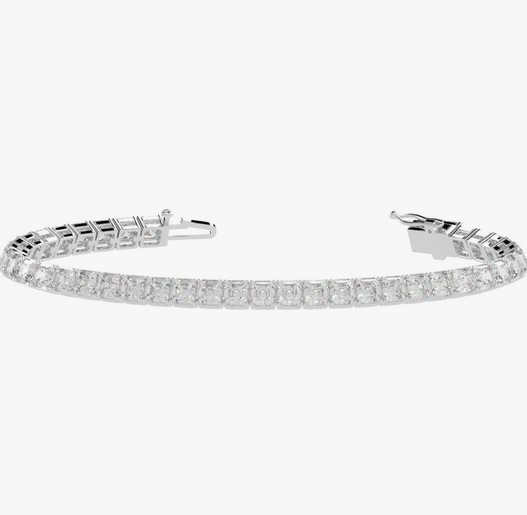
Houston Diamond District 2 to 28 Carat Lab Grown Diamond Classic Tennis Bracelet, 4-Prong Setting for Women (E-F Color, VS2-SI1 Clarity) (Asscher Shape)
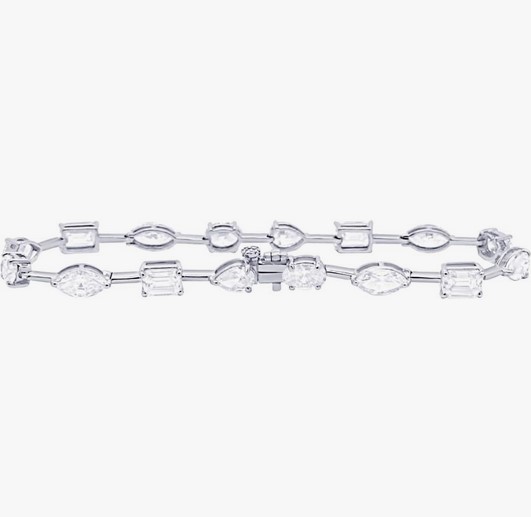
Houston Diamond District 2 to 28 Carat Lab Grown Diamond Classic Tennis Bracelet, 4-Prong Setting for Women (E-F Color, VS2-SI1 Clarity) (Mixed Shape)
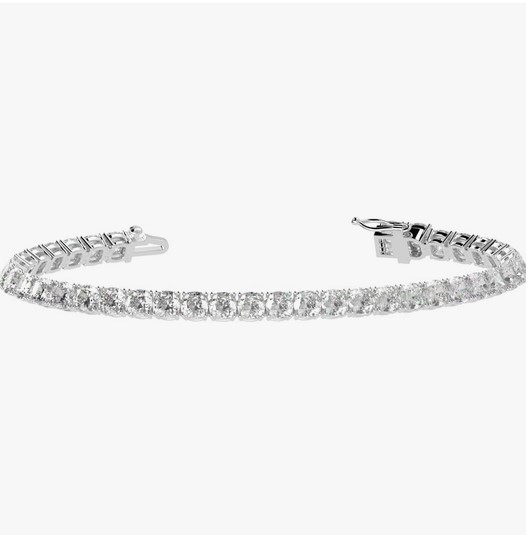
Houston Diamond District 2 to 28 Carat Lab Grown Diamond Classic Tennis Bracelet, 4-Prong Setting for Women (E-F Color, VS2-SI1 Clarity) (Cushion Shape)
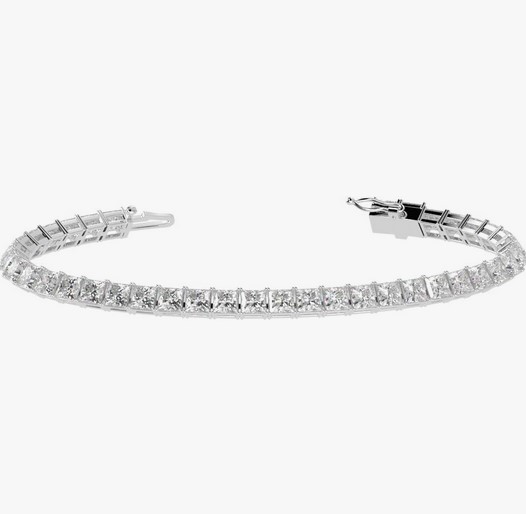
Houston Diamond District 2 to 28 Carat Lab Grown Diamond Classic Tennis Bracelet, 4-Prong Setting for Women (E-F Color, VS2-SI1 Clarity) (Princess Shape)
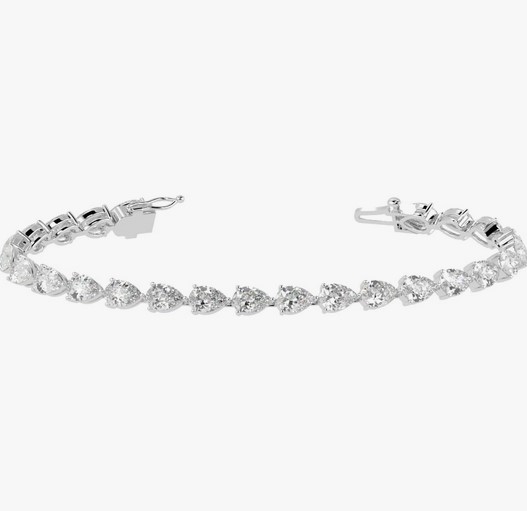
Houston Diamond District 2 to 28 Carat Lab Grown Diamond Classic Tennis Bracelet, 4-Prong Setting for Women (E-F Color, VS2-SI1 Clarity) (Pear Shape)
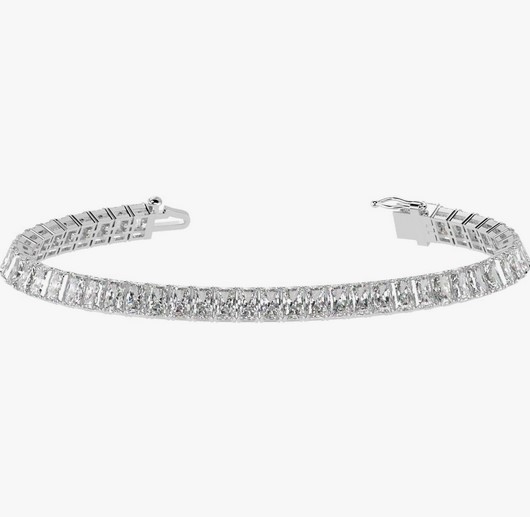
Houston Diamond District 2 to 28 Carat Lab Grown Diamond Classic Tennis Bracelet, 4-Prong Setting for Women (E-F Color, VS2-SI1 Clarity) (Radiant Shape)
The Diamond Tennis Bracelet: The Complete Authoritative Guide
Understanding the Diamond Tennis Bracelet Phenomenon
Few pieces of jewelry have achieved the iconic status of the diamond tennis bracelet. This elegant accessory represents the perfect convergence of timeless design, exceptional craftsmanship, and universal appeal that transcends age, style, and occasion. When you examine what makes a diamond tennis bracelet so enduringly popular—from boardrooms in Manhattan to red carpets in Hollywood, from young professionals to established collectors—you discover a piece of jewelry that has earned its place in the pantheon of essential luxury accessories.
The diamond tennis bracelet is, at its essence, a continuous line of individually set diamonds linked together to form a flexible bracelet that encircles the wrist with uninterrupted sparkle. This deceptively simple concept conceals remarkable complexity in execution, requiring precise stone matching, expert setting techniques, and engineering that balances beauty with durability. The result is a piece that appears effortlessly elegant while demanding sophisticated craftsmanship and quality materials to achieve its signature refined aesthetic.
The Fascinating History of the Diamond Tennis Bracelet
Understanding the diamond tennis bracelet’s journey from luxury accessory to cultural icon illuminates why this piece remains so coveted today.
Pre-Tennis Era: The Diamond Line Bracelet
Long before the term “tennis bracelet” entered jewelry vocabulary, craftsmen were creating continuous diamond line bracelets. The Art Deco movement of the 1920s and 1930s particularly embraced this style, with its emphasis on geometric precision, symmetry, and linear design. These early interpretations of what would become the diamond tennis bracelet featured the same fundamental concept—diamonds set in a continuous row—but often incorporated the angular, architectural aesthetics characteristic of Art Deco jewelry.
Throughout the mid-20th century, diamond line bracelets remained prestigious accessories favored by wealthy, fashionable women. Hollywood’s Golden Age saw stars like Grace Kelly, Elizabeth Taylor, and Marlene Dietrich wearing these elegant pieces both on screen and in their personal lives, cementing the diamond tennis bracelet’s association with glamour, success, and refined taste. However, these pieces were typically called “eternity bracelets” or simply “diamond line bracelets”—the tennis connection had yet to be made.
The Chris Evert Moment: Birth of a Name
The diamond tennis bracelet received its now-ubiquitous name during a memorable incident at the 1987 U.S. Open tennis tournament. Professional tennis champion Chris Evert was competing in a match when her diamond bracelet—a gift from her then-fiancé—broke and scattered across the court. Rather than continue play, Evert requested a pause to search for and retrieve her bracelet, an action that captured significant media attention and public imagination.
This incident resonated for several reasons. It humanized a champion athlete, showing her attachment to a beautiful, sentimental piece of jewelry even in the midst of professional competition. It demonstrated that fine jewelry could be worn during active pursuits, not just formal occasions. And it created an indelible association between diamonds, sports elegance, and practical luxury. Almost immediately, jewelers began marketing continuous diamond line bracelets as “tennis bracelets,” and the name stuck permanently.
The tennis bracelet moniker proved perfect for marketing purposes. It suggested athletic elegance, active luxury, and jewelry that could withstand real-world wear rather than remaining locked in safes. The association with Chris Evert—a champion athlete and feminine icon—made the diamond tennis bracelet appealing to women who saw themselves as strong, active, and successful. Within a few years, the diamond tennis bracelet had transformed from niche luxury item to mainstream aspiration piece.
Evolution and Modernization
Since the late 1980s, the diamond tennis bracelet has evolved while maintaining its core identity. Early versions featured exclusively round brilliant-cut diamonds in relatively simple prong settings. Contemporary interpretations have expanded to include princess cuts, emerald cuts, oval diamonds, and other fancy shapes. Setting styles have diversified from standard four-prong designs to bezel settings, channel settings, and elaborate mixed-setting combinations.
The late 20th and early 21st centuries saw the diamond tennis bracelet become increasingly democratic. What was once exclusively a luxury item for the wealthy became more accessible through various price points, financing options, and eventually laboratory-grown diamond alternatives. Today, the diamond tennis bracelet occupies a unique position as both aspirational luxury piece and attainable investment for many consumers seeking quality jewelry.
Anatomy of a Diamond Tennis Bracelet: Construction and Components
Understanding what makes a superior diamond tennis bracelet requires examining its key components and construction methods.
The Diamonds: Heart of the Design
At the core of every diamond tennis bracelet lies a carefully selected collection of diamonds matched for consistency and quality. Unlike jewelry featuring a single prominent center stone, the diamond tennis bracelet requires numerous diamonds—typically anywhere from 30 to 100+ stones depending on individual diamond size and overall bracelet length—that work together harmoniously.
Diamond Selection and Matching
Creating a cohesive diamond tennis bracelet demands meticulous attention to matching. Each diamond should exhibit similar size for uniform appearance, consistent color grade across all stones to prevent noticeable variations, comparable clarity levels ensuring even brilliance throughout, and identical or very similar cut quality for consistent sparkle patterns. This matching process requires sorting through many more diamonds than ultimately appear in the finished bracelet, selecting only those stones that work together seamlessly.
Diamond Size and Carat Weight
Individual diamonds in a tennis bracelet typically range from 0.05 to 0.50 carats each, though some luxury pieces feature even larger stones. The total carat weight—the combined weight of all diamonds—generally ranges from 2 to 20+ carats depending on individual stone size, number of diamonds, and overall bracelet length. A standard 7-inch bracelet with approximately 40-50 diamonds of 0.10 carats each would total approximately 4-5 carats, representing a typical mid-range diamond tennis bracelet.
Setting Styles and Metal Work
How diamonds are secured in a tennis bracelet significantly affects both appearance and durability.
Prong Settings
The most common setting for a diamond tennis bracelet utilizes small metal prongs—typically four per diamond—that grasp each stone at key points. Four-prong settings offer excellent security while maximizing diamond exposure for optimal light performance. The prongs should be substantial enough to hold stones securely but refined enough not to appear bulky or heavy. Quality prong work features smooth finishing to prevent snagging on clothing, complete coverage of diamond girdles (edges) to prevent chipping, and adequate metal thickness to withstand years of wear without bending.
Bezel Settings
Bezel-set tennis bracelets surround each diamond with a thin metal rim that holds stones securely while creating smooth, contemporary aesthetics. This setting style offers maximum protection for diamonds, making bezel settings ideal for active lifestyles where impact protection matters. The trade-off involves slightly reduced sparkle compared to prong settings, as the surrounding metal limits light entry to diamonds. However, many find the sleek, modern appearance and superior security worth this modest compromise.
Channel Settings
Channel-set diamond tennis bracelets feature diamonds suspended between two parallel metal walls without visible prongs, creating seamless, flowing appearance. This setting works particularly well with princess-cut or baguette diamonds and offers good security combined with sophisticated aesthetics. Channel settings provide smooth surfaces that won’t snag on fabrics and protect diamond edges from impact.
The Link Structure
Between each diamond, individual links connect to form the flexible band that characterizes a tennis bracelet. These links must balance several competing demands: sufficient flexibility for comfortable wear around the wrist’s curves, adequate strength to support diamond weight and withstand daily stress, smooth articulation that prevents binding or catching, and aesthetic cohesion that doesn’t distract from the diamonds themselves.
Quality link construction utilizes substantial metal gauge thick enough to resist bending or breaking, precise engineering that allows smooth movement without excessive looseness, reinforced construction at high-stress points (particularly where the bracelet curves around the wrist), and professional finishing that eliminates rough edges or solder bumps that could irritate skin or catch on clothing.
Clasp Mechanisms and Security Features
The clasp represents a critical component of any diamond tennis bracelet, requiring both reliability and ease of use.
Box Clasps with Safety Latches
Box clasps feature interlocking mechanisms that snap securely closed, often with additional safety latches providing secondary security. This traditional clasp style offers excellent reliability when properly constructed and maintained. The figure-eight safety latch common on quality tennis bracelets provides crucial backup protection—if the main clasp should fail, the safety latch prevents the bracelet from falling off completely.
Hidden Push-Button Clasps
Contemporary diamond tennis bracelets often feature hidden push-button clasps that blend seamlessly into the bracelet design. These mechanisms require pressing a small button to release, providing security against accidental opening while maintaining sleek aesthetics. Quality versions include secondary safety mechanisms similar to box clasp safety latches.
Lobster Clasps
Lobster clasps, while common in less expensive tennis bracelets, are generally considered less refined than box or hidden clasps for fine jewelry. They’re functional and easy to operate but can appear less elegant and may not provide the same level of security as purpose-designed tennis bracelet clasps.
Metal Choices and Purity
The metal used in a diamond tennis bracelet affects appearance, durability, maintenance requirements, and cost. Platinum offers naturally white color, exceptional durability, hypoallergenic properties, and prestigious associations but comes with premium pricing. 18K gold (white, yellow, or rose) provides 75% gold content, rich composition, good durability, and moderate pricing. 14K gold offers 58.3% gold content, superior hardness for daily wear, excellent value, and remains the most popular choice in American markets.
Evaluating Diamond Quality in Tennis Bracelets
Understanding how to assess diamond quality helps identify superior tennis bracelets and ensure value for investment.
The Four Cs Framework
Diamond tennis bracelets should be evaluated using the same international standards applied to all diamond jewelry: Cut, Color, Clarity, and Carat Weight.
Cut: The Brilliance Factor
Cut quality determines how effectively diamonds interact with light, creating the brilliance, fire, and scintillation that make a diamond tennis bracelet captivating. In tennis bracelets, cut quality matters enormously because you’re viewing multiple diamonds simultaneously—poorly cut stones create noticeably dull areas that interrupt the flowing sparkle that defines superior pieces.
For round brilliant diamonds (most common in tennis bracelets), cut grades of “Excellent” or “Ideal” ensure optimal light performance. Even in the relatively small stones typical of tennis bracelets, cut quality makes dramatic visual differences. A bracelet featuring well-cut diamonds will sparkle intensely under various lighting conditions, while poorly cut diamonds appear lifeless regardless of other quality factors.
For fancy-shaped diamonds (princess, emerald, oval, etc.), cut quality evaluation becomes more nuanced as standardized grading systems are less developed for these shapes. Look for symmetry, appropriate depth percentages, and visual confirmation that diamonds exhibit strong brilliance and sparkle rather than relying solely on certificates for fancy shapes.
Color: The Clarity of Light
Diamond color grading ranges from D (completely colorless) through Z (light yellow or brown tint). For diamond tennis bracelets, color consistency across all stones matters as much as individual diamond color grades. Even slight color variations between stones create visual disruption that detracts from the bracelet’s flowing elegance.
Colorless grades (D-F) offer pristine, icy appearance particularly striking in white metal settings. These premium grades command higher pricing but deliver uncompromising beauty. Near-colorless grades (G-H) provide excellent value, appearing colorless when set in jewelry to most observers. These grades represent the sweet spot for many buyers seeking beauty and value balance. Faint color grades (I-J) show slight warmth that becomes more apparent in larger stones or white metal settings but offer significant cost savings. Below J, increasing yellow tint becomes readily apparent and is generally not recommended for tennis bracelets where consistent, brilliant appearance is paramount.
Metal choice affects color perception significantly. White metals (platinum, white gold) show diamond color more readily, making higher color grades more important. Yellow gold disguises slight warmth in diamonds, making I-J grades more acceptable. Rose gold’s warm tone complements near-colorless and faint color diamonds beautifully.
Clarity: Internal Perfection
Clarity grades reflect the presence or absence of inclusions (internal characteristics) and blemishes (external imperfections) visible under 10x magnification. For diamond tennis bracelets, the key consideration is whether inclusions are visible to the naked eye when wearing the piece.
Flawless and Internally Flawless grades offer perfect clarity under 10x magnification but command substantial premiums rarely justified for tennis bracelet diamonds given their relatively small individual sizes. VVS1-VVS2 (Very Very Slightly Included) grades feature minute inclusions extremely difficult to see under magnification and invisible to naked eyes—excellent quality offering prestige without visible imperfections. VS1-VS2 (Very Slightly Included) grades show minor inclusions somewhat easy to see under magnification but typically invisible without magnification—outstanding value for tennis bracelets. SI1 (Slightly Included 1) grade features noticeable inclusions under magnification but often remains eye-clean in smaller tennis bracelet diamonds—smart choice for budget-conscious buyers. SI2 and below increasingly show inclusions visible to naked eyes and should generally be avoided for tennis bracelets where clean appearance matters.
Carat Weight: Size and Presence
In diamond tennis bracelets, total carat weight (TCW)—the combined weight of all diamonds—determines overall size and presence. Understanding that a 5-carat total weight bracelet contains perhaps 40-50 individual diamonds of approximately 0.10 carats each (rather than a single 5-carat diamond) helps set appropriate expectations.
Total carat weight selection should consider wrist size and build—petite wrists may appear overwhelmed by very high carat weights while larger builds carry substantial pieces beautifully; lifestyle and wearing occasions—daily wear suggests moderate weights while special occasion pieces can go larger; budget parameters—higher total carat weights increase cost exponentially; and personal aesthetic preference—some prefer maximum sparkle while others favor understated elegance.
Types and Variations of the Diamond Tennis Bracelet
While the classic design remains most popular, the diamond tennis bracelet has evolved into several distinct variations.
Classic Single-Row Design
The traditional diamond tennis bracelet features a single continuous row of uniformly sized round brilliant-cut diamonds in four-prong settings. This timeless design represents the archetypal tennis bracelet, offering maximum versatility, universal appeal, and elegant simplicity that never goes out of style. The classic single-row remains the most popular choice, accounting for the majority of tennis bracelet sales worldwide.
Multi-Row Tennis Bracelets
Multi-row designs feature two, three, or more parallel rows of diamonds creating substantially wider bracelets with more dramatic presence. These bold interpretations suit special occasions and formal events where impressive jewelry is appropriate. Multi-row tennis bracelets make powerful statement pieces, though their reduced versatility compared to single-row designs means they’re often purchased as supplementary pieces rather than sole tennis bracelets.
Graduated Tennis Bracelets
Graduated designs start with smaller diamonds near the clasp and progressively increase in size toward the top center of the wrist, creating dynamic visual interest and elegant taper. This variation offers distinctive aesthetics while often providing better value than uniform-size bracelets of similar total carat weight, as smaller (less expensive) diamonds appear in less visible areas.
Fancy Shape Tennis Bracelets
While round brilliant cuts dominate tennis bracelet designs, fancy shapes offer alternative aesthetics. Princess-cut tennis bracelets feature square diamonds with pointed corners, offering contemporary, geometric appeal. Emerald-cut designs showcase rectangular diamonds with step-cut facets creating sophisticated “hall of mirrors” effects. Oval tennis bracelets provide elongated brilliance combining fire of rounds with distinctive shape. Cushion-cut versions offer vintage-inspired charm with rounded square shapes. Mixed-shape designs alternate different diamond shapes for unique, artistic presentations.
Fancy Colored Diamond Tennis Bracelets
Some tennis bracelets incorporate fancy colored diamonds—yellows, pinks, blues, cognacs—either exclusively or alternating with white diamonds. Natural fancy colored diamonds command extremely high prices, making these pieces rare luxury items. Laboratory-grown fancy colored diamonds make colored tennis bracelets more accessible, offering vivid hues at manageable price points.
Flexible vs. Rigid Designs
Traditional tennis bracelets utilize flexible link construction allowing natural movement around wrist contours. Some contemporary interpretations feature rigid bangle-style construction with hinged openings, offering sleek, modern aesthetics but requiring different sizing considerations (must be large enough to slip over hand’s widest point).
The Investment Value of a Diamond Tennis Bracelet
Understanding the financial aspects helps make informed purchasing decisions regarding this significant jewelry investment.
Initial Investment Considerations
Diamond tennis bracelets represent substantial financial commitments, with quality pieces ranging from several thousand to hundreds of thousands of dollars depending on specifications. Entry-level quality bracelets (2-3 TCW, modest quality grades, lighter settings) typically start $2,000-$5,000. Mid-range options (4-6 TCW, good quality grades, substantial construction) generally cost $6,000-$15,000. Premium pieces (8-12 TCW, excellent quality, luxury settings) range $15,000-$50,000. Ultra-luxury bracelets (15+ TCW, exceptional quality, platinum settings) can exceed $50,000-$200,000+.
These prices reflect natural diamond bracelets; laboratory-grown diamond alternatives typically cost 30-50% less for equivalent specifications, offering significant savings for value-conscious buyers.
Factors Affecting Value
Several factors influence a diamond tennis bracelet’s value and price. Diamond quality across the four Cs dramatically affects cost—higher grades command premium pricing. Total carat weight increases price exponentially rather than linearly—a 10-carat bracelet costs far more than twice a 5-carat piece. Metal choice impacts value, with platinum commanding 40-60% premiums over gold. Brand names add substantial markups—prestigious jewelers charge significantly more than no-name alternatives for similar specifications. Construction quality affects both immediate price and long-term value retention—superior craftsmanship justifies higher costs.
Resale Value and Depreciation
Realistic expectations about resale value help frame purchase decisions appropriately. All fine jewelry—including diamond tennis bracelets—experiences significant depreciation from retail pricing. Pre-owned tennis bracelets typically resell for 20-60% of original retail cost, with specific percentages depending on original quality, current condition, brand prestige, and market conditions at time of sale.
Several factors affect resale value. Brand reputation matters enormously—pieces from prestigious houses (Tiffany, Cartier, Harry Winston) retain value better than no-name jewelry. Diamond quality impacts resale—higher grades hold value better than modest specifications. Original documentation helps—certificates, appraisals, and receipts improve buyer confidence. Market conditions fluctuate—diamond prices and jewelry demand vary over time affecting resale potential.
True Value Beyond Resale
While resale value deserves consideration, the true value of a diamond tennis bracelet extends beyond potential financial return. Personal enjoyment over years or decades of wear provides immeasurable value. Confidence boost and psychological benefits of wearing beautiful jewelry enhance daily life. Sentimental associations and memories accumulated through years make pieces emotionally priceless. Heirloom potential allows passing legacy to future generations regardless of market value. These intangible values often exceed purely financial considerations for most buyers.
Natural Diamonds vs. Laboratory-Grown: Making Your Choice
The diamond tennis bracelet market now offers both natural and laboratory-grown options, each with distinct advantages.
Natural Diamond Tennis Bracelets
Natural diamonds formed over billions of years deep in the Earth’s mantle under extreme pressure and temperature. These gems carry romantic associations with natural wonder, geological processes, and traditional luxury. Natural diamond tennis bracelets offer several perceived advantages: Traditional prestige and heritage associated with natural gemstones. Potential long-term value retention based on historical price trends. Rarity factor that some find emotionally appealing. Established resale market for pre-owned pieces. Cultural and emotional significance many associate with natural diamonds.
The trade-offs include higher costs for equivalent specifications, potential ethical concerns regarding mining practices, environmental impact of extraction operations, and supply chain transparency challenges.
Laboratory-Grown Diamond Tennis Bracelets
Laboratory-grown diamonds are created through technological processes (HPHT or CVD) that replicate natural formation conditions, producing chemically, physically, and optically identical diamonds in weeks rather than billions of years. Lab-grown diamond tennis bracelets offer compelling advantages: Significant cost savings (30-50% less than natural equivalents) allowing larger sizes or better quality within budgets. Guaranteed ethical sourcing with complete transparency regarding origin. Dramatically reduced environmental impact (95% less carbon emissions, 99% less water usage, zero habitat destruction). Often superior or more consistent quality due to controlled creation conditions. Growing cultural acceptance particularly among younger, environmentally conscious consumers.
Considerations include currently lower resale values compared to natural diamonds, less established secondary market, and reduced traditional prestige for those who value natural origin.
Making Your Personal Decision
Choosing between natural and laboratory-grown diamonds for your tennis bracelet depends on personal priorities. Choose natural if: traditional heritage and natural origin provide emotional satisfaction, potential resale value offers psychological comfort, cultural prestige of natural diamonds matters to you, or budget comfortably accommodates premium pricing. Choose laboratory-grown if: maximizing size and quality within budget is priority, environmental and ethical considerations drive purchasing decisions, you value innovation and scientific achievement, or practical value matters more than traditional associations.
Sizing and Fit: Getting It Right
Proper sizing ensures your diamond tennis bracelet wears comfortably, looks beautiful, and remains secure.
Measuring Your Wrist
Accurate wrist measurement forms the foundation of proper bracelet sizing. Use a flexible measuring tape around the narrowest part of your wrist (just below the wrist bone where hand meets arm). Pull snug but not tight—you should be able to slide one finger underneath. Note measurement in inches for U.S. sizing. If lacking a measuring tape, wrap string around wrist, mark overlap point, then measure string against a ruler.
Determining Appropriate Length
For diamond tennis bracelets, add 0.5 to 1 inch to your wrist measurement for proper fit. This allowance ensures comfortable movement without excessive looseness. A 0.5-inch allowance creates snugger fit sitting higher on wrist with minimal movement. A 1-inch allowance provides looser, more mobile wear that hangs lower and moves more freely. Most women wear 7-inch tennis bracelets (fitting wrists measuring 6-6.5 inches), though standard offerings range from 6.5 to 8 inches.
Fit Testing
When trying on a diamond tennis bracelet, assess fit carefully. The bracelet should rotate easily around your wrist without binding. It should not slide over your hand when fully extended. Movement should feel comfortable without excessive tightness. The bracelet should not hang so loosely that it constantly slides toward your hand. You should be able to insert one finger comfortably between bracelet and wrist when worn.
Adjustment Considerations
Sizing adjustments for tennis bracelets can be complex and expensive. Adding length requires sourcing matching diamonds and creating additional links—difficult or impossible for discontinued designs. Removing length is somewhat easier but still requires professional expertise to maintain symmetry and proper clasp positioning. When possible, purchase correct length initially or order custom lengths to avoid costly adjustments.
Care and Maintenance: Protecting Your Investment
Proper care ensures your diamond tennis bracelet maintains its beauty and structural integrity for generations.
Daily Wear Precautions
While diamond tennis bracelets are durable, sensible precautions prevent damage. Remove bracelets before vigorous exercise or sports where impact might occur. Take off jewelry before household cleaning involving harsh chemicals. Remove bracelets during gardening or manual work that could bend settings. Avoid wearing while swimming in chlorinated pools (chlorine can damage metal settings over time). Put jewelry on last after applying lotions, perfumes, and cosmetics that can dull diamonds.
Regular Cleaning
Diamonds naturally attract oils and dirt that diminish sparkle. Regular cleaning maintains the brilliant appearance that makes tennis bracelets so captivating. For home cleaning: create solution of warm water with mild dish soap, soak bracelet for 20-30 minutes to loosen buildup, gently scrub with soft toothbrush (dedicated to jewelry, not dental care), pay particular attention to diamond undersides where oils accumulate, rinse thoroughly under warm water (plug drain or work over bowl), and pat dry with lint-free microfiber cloth. Clean weekly or biweekly for bracelets worn regularly, monthly for occasional-wear pieces.
Professional Maintenance
Schedule professional inspection and cleaning at least annually, or semi-annually for daily-wear tennis bracelets. Professional jewelers examine bracelets under magnification checking for loose diamonds or damaged prongs, worn settings requiring re-tipping, clasp wear or mechanism problems, link damage or weak points, and general structural integrity. They perform professional cleaning using ultrasonic cleaners or steam equipment, tighten loose settings before stones are lost, re-tip worn prongs to prevent diamond loss, and make minor repairs before they become major problems. This preventive maintenance represents small investment that protects much larger bracelet value.
Storage Best Practices
Proper storage prevents damage when your diamond tennis bracelet isn’t being worn. Store separately from other jewelry in fabric-lined box compartment or individual soft pouch—diamonds can scratch other gemstones and metals. Avoid storing multiple bracelets together where they might tangle. Keep away from extreme temperatures and direct prolonged sunlight. Store in secure location (home safe or safe deposit box for very valuable pieces) to prevent theft.
Insurance Protection
Insure valuable diamond tennis bracelets through specialized jewelry insurance or scheduled personal property endorsements on homeowner’s/renter’s policies. Standard homeowner’s coverage typically provides minimal jewelry protection (often just $1,000-$2,000 total) and usually excludes mysterious disappearance—the most common jewelry loss scenario. Dedicated jewelry insurance covers full appraised value against all risks including loss, theft, damage, and mysterious disappearance for approximately 1-2% of appraised value annually. Maintain professional appraisals, certificates, and purchase documentation for insurance claims. Update appraisals every 2-3 years to account for value changes and ensure adequate coverage.
Celebrity Influence and Cultural Impact
The diamond tennis bracelet has achieved iconic status partly through celebrity adoption and cultural significance.
Hollywood and Red Carpet Moments
Countless celebrities have been photographed wearing diamond tennis bracelets at award shows, premieres, and high-profile events. This visibility has cemented the tennis bracelet as a symbol of success, elegance, and red-carpet glamour. Unlike dramatic statement necklaces that dominate single occasions, tennis bracelets appear repeatedly across different events and styles, demonstrating their versatility and enduring appeal.
Royal Connections
Members of various royal families have worn diamond tennis bracelets, adding prestigious associations to these pieces. The combination of royal elegance and practical wearability makes tennis bracelets appealing to those who admire refined, understated luxury over ostentatious displays.
Symbol of Achievement
The diamond tennis bracelet has become culturally associated with professional success and personal achievement. Many women purchase or receive tennis bracelets to commemorate career milestones, celebrating promotions, business successes, or significant accomplishments. This association makes the tennis bracelet more than mere adornment—it becomes a tangible symbol of capability and success.
Generational Appeal
Unlike many jewelry trends that appeal primarily to specific age groups, the diamond tennis bracelet attracts women across generations. Younger women appreciate modern styling and ethical sourcing options. Middle-aged women value versatility and investment quality. Mature women cherish timeless elegance and heirloom potential. This broad demographic appeal ensures the tennis bracelet remains culturally relevant across changing fashion landscapes.
Shopping Guide: Where and How to Buy
Knowing where to shop and what questions to ask ensures satisfactory purchases and good value.
Retail Options
Traditional jewelry stores offer advantages of in-person examination, immediate try-on, face-to-face consultation, and local relationships for ongoing service. However, overhead costs often result in higher pricing. Online specialty retailers frequently provide better pricing due to lower overhead, extensive selection, detailed specifications, and high-resolution photography. The trade-off is inability to see pieces before purchasing, though generous return policies mitigate this limitation. Direct-to-consumer brands eliminate traditional retail markups, often providing exceptional value while maintaining quality. Estate and vintage dealers offer pre-owned options at discounted pricing, though authenticity verification and thorough inspection are essential.
Essential Questions Before Purchasing
Ask these critical questions when shopping for diamond tennis bracelets: Are diamonds certified, and by which laboratory? What are specific color, clarity, and cut grades? What is exact total carat weight and number of diamonds? What metal type and purity is used? Does bracelet include safety chain or enhanced clasp security? What is actual bracelet length? What warranty or guarantee is provided? What is return/exchange policy timeframe? Are sizing adjustments available if needed? What maintenance or cleaning services are included?
Red Flags to Avoid
Be cautious of sellers who cannot provide diamond certification from recognized laboratories, offer prices dramatically below market averages without clear explanation, pressure immediate purchase with artificial urgency tactics, have predominantly negative reviews or unresolved customer complaints, cannot clearly answer basic questions about specifications, or make unrealistic claims about quality or value. Trust your instincts—if something feels wrong, shop elsewhere.
Certification Requirements
Reputable diamond tennis bracelets should include certification from recognized gemological laboratories: GIA (Gemological Institute of America) represents the most stringent, consistent grading standards globally. IGI (International Gemological Institute) provides reliable certification, particularly common for laboratory-grown diamonds. AGS (American Gem Society) emphasizes cut quality evaluation using proprietary systems. GCAL (Gem Certification & Assurance Lab) offers guaranteed certification with accountability for grading accuracy. Avoid sellers using unknown or “in-house” certification that lacks independent verification.
Styling Your Diamond Tennis Bracelet
Understanding styling principles maximizes the versatility that makes tennis bracelets so valuable.
Solo Statement
A quality diamond tennis bracelet possesses sufficient presence to stand alone as sole wrist jewelry. This minimalist approach allows the bracelet’s brilliance to take center stage, creating elegant, uncluttered aesthetics suitable for professional settings, formal occasions, or whenever refined simplicity is desired.
Bracelet Stacking
Contemporary styling embraces stacking multiple bracelets for layered, personalized looks. Your diamond tennis bracelet can anchor stacks including: complementary tennis bracelets in different metals (mixing white, yellow, and rose gold), plain metal bangles or cuffs providing textural contrast, delicate chain bracelets adding dimensional variety, or tennis bracelets featuring different diamond shapes creating visual interest. Keep total stacks to 3-5 pieces avoiding overwhelming your wrist. Maintain some visual cohesion through repeated colors, metals, or design elements.
Occasion-Appropriate Styling
For professional settings, single-row designs project polished sophistication without overwhelming business attire. For casual wear, tennis bracelets add unexpected glamour to jeans and sweaters. For formal events, stack multiple bracelets or wear your most impressive piece with evening wear. For bridal occasions, coordinate with other diamond jewelry while ensuring the bracelet doesn’t compete with engagement ring.
Seasonal Considerations
In warmer months, wear tennis bracelets over tanned skin where diamonds pop dramatically against bronzed complexions. Style with sleeveless or short-sleeved clothing showcasing jewelry beautifully. In cooler months, layer over long sleeves where bracelets peek from cuffs for subtle sophistication. Coordinate with rich fabrics and cozy textures creating appealing contrasts.
The Future of the Diamond Tennis Bracelet
Several trends will likely shape the diamond tennis bracelet’s evolution in coming years.
Sustainable Luxury
Growing environmental consciousness will continue driving demand for laboratory-grown diamond tennis bracelets and ethically sourced natural alternatives. Expect increasing transparency in supply chains, carbon-neutral production methods, and recycled precious metals becoming industry standards. The tennis bracelet may become a symbol not just of luxury but of responsible consumption.
Technological Innovation
Advances in diamond creation technology will improve laboratory-grown diamond quality while reducing costs, making spectacular tennis bracelets increasingly accessible. 3D printing and computer-aided design may enable more customization options and innovative setting styles. Smart jewelry technology might integrate into tennis bracelets, though aesthetic priorities will likely keep such features subtle.
Design Evolution
While classic designs will always remain popular, expect continued experimentation with mixed diamond shapes, asymmetric layouts, colored diamond accents, convertible designs that transform between bracelets and necklaces, and innovative setting techniques that enhance security while maintaining elegance.
Democratization of Luxury
Laboratory-grown diamonds, improved manufacturing, and direct-to-consumer sales models will make quality tennis bracelets accessible to broader audiences. What was once exclusively luxury territory will become achievable aspiration for many more consumers, expanding the cultural impact and relevance of this iconic piece.
Conclusion: The Enduring Appeal of the Diamond Tennis Bracelet
Few jewelry pieces have achieved the diamond tennis bracelet’s remarkable combination of timeless elegance, practical versatility, and cultural significance. From its Art Deco ancestors through the Chris Evert moment that gave it its name, to its current status as an essential luxury accessory, the tennis bracelet has proven its enduring appeal across generations, styles, and changing fashion landscapes.
What makes the diamond tennis bracelet so special isn’t just the diamonds—though their continuous sparkle certainly captivates—or the craftsmanship—though quality construction is essential. Rather, it’s the perfect balance this piece strikes between beauty and practicality, between substantial presence and refined understatement, between traditional luxury and contemporary wearability. It’s jewelry designed for real life, beautiful enough for special occasions yet durable enough for daily wear, impressive enough to make statements yet versatile enough to complement any style.
Whether you choose a classic single-row design or bold multi-row statement piece, natural diamonds or laboratory-grown alternatives, platinum or gold, your diamond tennis bracelet will serve you faithfully for decades. It will mark milestones and celebrate achievements. It will boost your confidence in important moments and add sparkle to ordinary days. It will accumulate memories and meaning, eventually representing not just its monetary value but your personal journey, your style evolution, and your life story.
The right diamond tennis bracelet is more than jewelry—it’s an investment in daily joy, an expression of personal style, a symbol of success, and potentially a legacy piece that future generations will treasure. Take time to explore options, understand quality factors, ask questions, and make choices that feel absolutely right for you. Your perfect tennis bracelet awaits, ready to become a cherished part of your jewelry collection and your life for years to come.
What makes a diamond tennis bracelet valuable?
A diamond tennis bracelet’s value comes from multiple factors: diamond quality (cut, color, clarity, carat weight), metal type and purity (platinum costs more than gold), construction quality (secure settings, reinforced links), brand prestige, craftsmanship, and diamond certification from recognized laboratories. The most important factors affecting appearance and sparkle are cut quality and total carat weight. For investment purposes, choose higher color and clarity grades in platinum settings from established jewelers.
How many diamonds are in a typical tennis bracelet?
Tennis bracelets typically contain 30-100+ individual diamonds depending on total carat weight and individual stone size. A standard 7-inch, 4-carat total weight bracelet usually has approximately 40-50 diamonds of roughly 0.08-0.10 carats each. Larger total carat weight bracelets might have fewer, larger diamonds (e.g., 30 diamonds of 0.15-0.20 carats each in a 5-6 carat bracelet) or more smaller diamonds for fuller coverage. The number of stones affects the bracelet’s overall appearance and price.
What’s the difference between VS and SI clarity in tennis bracelets?
VS (Very Slightly Included) grades VS1 and VS2 feature minor inclusions difficult to see under 10x magnification and invisible to the naked eye. SI (Slightly Included) grades SI1 and SI2 have noticeable inclusions under magnification, with SI1 typically remaining eye-clean while SI2 may show visible inclusions. For tennis bracelets with small diamonds (under 0.25 carats each), VS2 and SI1 both appear eye-clean and offer excellent value. Save money by choosing SI1 over VS1—the visual difference is negligible in bracelet applications.
Can a diamond tennis bracelet be worn alone or should it be paired with other jewelry?
A quality diamond tennis bracelet has sufficient presence to stand alone as your sole jewelry piece, creating elegant simplicity. However, it also pairs beautifully with other jewelry: coordinate with diamond stud earrings for classic sophistication, add a delicate pendant necklace for layered elegance, or stack with additional bracelets for contemporary style. For formal occasions, complete suites (matching bracelet, earrings, necklace) create cohesive glamour. For casual wear, the bracelet alone or with minimal jewelry works perfectly.
How secure are tennis bracelet clasps?
Quality tennis bracelets feature highly secure clasp mechanisms designed specifically for valuable jewelry. The best clasps include a primary closure mechanism (box clasp or hidden push-button) plus a secondary safety feature (figure-eight safety catch or safety chain) that prevents complete loss even if the primary clasp fails. The safety component is crucial—it keeps the bracelet attached to your wrist if the main clasp accidentally opens. Always check that both the primary clasp and safety mechanism are engaged when wearing your bracelet.
What’s the difference between 14K and 18K gold for tennis bracelets?
14K gold (58.3% pure gold) is harder, more durable, more affordable, and better for daily wear or active lifestyles. It’s the most popular choice in the US and resists scratching and bending better than 18K. 18K gold (75% pure gold) has richer color, higher gold content, more luxurious feel, and costs 20-40% more than 14K. It’s softer and may show wear more quickly with constant use. Both are excellent choices—select 14K for durability and value, 18K for maximum luxury and gold purity.
Can tennis bracelets be repaired if damaged?
Yes, tennis bracelets can be repaired by qualified jewelers. Common repairs include re-tipping or replacing worn prongs, tightening loose settings, replacing damaged links, repairing or replacing clasps, and re-plating white gold. If diamonds are lost, matching replacement stones can usually be sourced, though exact matches become more challenging for discontinued designs. Prevention through annual professional inspection is key—most damage and stone loss can be prevented by addressing wear before it becomes critical. Always use reputable jewelers experienced with fine diamond jewelry.
What’s the best way to store a diamond tennis bracelet?
Store your tennis bracelet in a fabric-lined jewelry box compartment or individual soft pouch, separate from other jewelry. Diamonds can scratch other gemstones and metals, while other pieces can scratch your bracelet. Never store multiple bracelets together loosely—they can tangle into frustrating knots and potentially damage clasps. Keep your jewelry box in a secure location away from extreme temperatures, direct prolonged sunlight, and excessive humidity. For very valuable bracelets, consider a home safe or safe deposit box for theft protection and optimal environmental conditions.
Are diamond tennis bracelets a good investment?
Diamond tennis bracelets are better viewed as valuable possessions for personal enjoyment rather than financial investments. All jewelry experiences significant depreciation from retail pricing—typically retaining 20-60% of original value. However, the true value extends beyond resale potential: years of daily enjoyment and confidence boost, memories associated with special occasions, sentimental value accumulated over time, and potential to become cherished family heirlooms. Quality pieces retain value better than cheap alternatives, and prestigious brands maintain value best, but buy primarily for beauty and meaning, not investment returns.
Customer Reviews
Beautiful, my wife was most impressed! The gorgeous stones and excellent mountings make this bracelet truly exceptional. The quality is evident in every detail, from the secure clasp to the perfect diamond spacing. Outstanding purchase.
This is exactly the review you need to read. I compared prices at multiple jewelers and online stores—this is the best value you’ll find for genuine, certified diamonds. Got the 7ct white gold and it’s absolutely stunning. Had it professionally appraised and the quality came back even better than advertised. The appraisal value was significantly higher than what I paid. Don’t hesitate on this purchase!
I was nervous buying expensive jewelry online, but this exceeded all my expectations. Arrived quickly in beautiful packaging. The 5 CTW bracelet is gorgeous—the fire and brilliance are amazing. The clasp feels very secure and the overall craftsmanship is impeccable. I’ve already recommended this company to several friends. Absolutely love it!